
Medical Disclaimer: I am a sleep researcher and wellness writer who synthesizes peer-reviewed research and shares personal field notes. Although I strive to provide accurate, evidence-based information, I do not claim any medical, clinical, or licensed credentials. The information presented here is for educational purposes only and should not replace professional advice.
- This guide explores the Best Sleep Apps For Sleep Education And Insights, highlighting how they improve sleep through tracking, education, and actionable insights.
- We delve into the science behind sleep stages, the role of sleep hygiene, and how personalized data can drive lifestyle changes.
- Included are personal 30-day experiment field notes, insights from peer-reviewed research, and a breakdown of premium versus free sleep apps.
- Internal links, FAQs, and a conversational tone ensure an engaging, accessible read for anyone eager to improve their nightly rest.
Why Best Sleep Apps For Sleep Education And Insights Are a Game-Changer
As someone who is passionate about understanding sleep, I’ve come to realize how revolutionary digital sleep solutions can be. The best sleep apps for sleep education and insights offer a unique combination of tracking, education, and actionable recommendations. In my journey as a sleep researcher, I have explored these apps extensively, synthesizing peer-reviewed research with real-world experiments to understand the nuances of sleep patterns.
The Importance of Quality Sleep
Quality sleep is a cornerstone of overall health. Not only does proper rest refresh the body, but it also sharpens the mind and improves emotional well-being. Research shows that poor sleep can negatively impact mood, cognitive function, and even immunity. A recent study available on PubMed (https://pubmed.ncbi.nlm.nih.gov/21372412/) emphasizes that sleep is integral to a healthy immune response and brain function.
The Role of Sleep Apps in Modern Wellness
In my everyday life, I experiment with various technologies to optimize sleep, and sleep apps have proven indispensable. These innovative tools do far more than just track the hours you rest—they educate you on the intricacies of sleep. With comprehensive insights into sleep cycles and personalized recommendations, the best sleep apps for sleep education and insights empower you to take charge of your nightly rest.
Understanding How Sleep Apps Track Your Sleep Patterns
When it comes to sleep tracking, the apps I recommend provide detailed insights that mimic what a personal sleep coach might tell you. They record:
- Total Sleep Duration: When you fall asleep and wake up
- Sleep Stage Analysis: Time spent in light sleep, deep sleep, and REM sleep
- Sleep Interruptions: Frequency of waking up or tossing and turning
This raw data transforms into a personalized sleep blueprint that helps me—and you—understand the factors affecting sleep quality over time.
How Sleep Stage Tracking Works
Most of the best sleep apps leverage your smartphone’s sensors or integrate with wearable devices to track movements. Through these sensors, the apps distinguish between various sleep stages:
- Light Sleep: A transitional phase where you drift into sleep.
- Deep Sleep: The restorative stage when your body repairs and regenerates cells.
- REM Sleep: The phase during which your brain processes emotions and memories.
Peer-reviewed studies, such as one from Nature (https://pubmed.ncbi.nlm.nih.gov/25345159/), explain that the intricate dance between these stages is guided by biological mechanisms like the buildup of adenosine—a sleep-promoting chemical—and the regulation of cortisol levels. Understanding these basics can empower you to improve your sleep habits through targeted lifestyle changes.
Sleep Education: Learning From the Best Sleep Apps For Sleep Education And Insights
One of my favorite aspects of these apps is the wealth of educational content they offer. They simplify complex sleep science into language that is easily digestible—even if you’re not a scientist. This educational layer is crucial in helping you make informed decisions about your sleep routine.
Explaining Sleep Science in Plain English
In my research, I often come across terms that sound intimidating, like circadian rhythm, sleep efficiency, and sleep debt. However, the best sleep apps for sleep education and insights break down these concepts in plain language:
- Circadian Rhythm: Think of it as your internal clock that tells you when to feel awake and when to sleep.
- Sleep Debt: The difference between the sleep you need and the sleep you actually get.
- Sleep Efficiency: How much of your time in bed is spent sleeping versus lying awake.
This straightforward approach demystifies sleep science, making it accessible for everyone. A study published on PMC (https://www.ncbi.nlm.nih.gov/pmc/articles/PMC2656292/) supports the importance of educating individuals about these mechanisms to improve overall sleep quality.
Sleep Hygiene and Its Impact on Sleep Quality
Sleep hygiene refers to the habits and environmental factors that contribute to a good night’s sleep. The best sleep apps for sleep education and insights often provide practical tips such as:
- Maintaining a regular sleep schedule
- Creating a cool, dark, and quiet bedroom environment
- Reducing screen time before bed
- Engaging in relaxation techniques such as mindfulness or deep breathing
These guidelines not only help you fall asleep faster but also ensure that the sleep you get is of high quality. In my experience, adopting better sleep hygiene has led to remarkable improvements in my daily energy and focus.
Personalized Insights: A Key Feature in the Best Sleep Apps For Sleep Education And Insights
One standout feature in many sleep apps—and one that I particularly appreciate—is the use of personalized insights. These insights go beyond generic advice, tailoring recommendations based on your individual sleep patterns and lifestyle.
How Personalized Recommendations Work
The process is simple yet highly effective:
- The app collects data about your sleep patterns over a period of time.
- It analyzes this data to spot trends and identify potential sleep disruptors.
- Based on the findings, the app provides targeted recommendations—like avoiding caffeine late in the day or adjusting your exercise routine.
For instance, if data suggests that my sleep quality dips on days when I have a heavy workload and late-night snacks, the app might recommend an earlier dinner or a wind-down routine focused on relaxation techniques. This personalization is rooted in objective data collection and stands in contrast to one-size-fits-all advice.
Scientific Evidence for Personalized Sleep Guidance
A peer-reviewed study on sleep intervention (https://pubmed.ncbi.nlm.nih.gov/10590427/) has shown that personalized sleep recommendations can significantly improve sleep quality. The biological mechanism behind this involves regulating cortisol levels and limiting the buildup of adenosine during the day, which in turn helps you attain deeper sleep at night. By tailoring suggestions to your unique data, these apps help you refine your sleep environment and routines to suit your individual needs.
Exploring the Top Sleep Apps: Premium vs. Free Options
In my research, I have analyzed both premium and free versions of sleep apps. Both types offer valuable insights for sleep education and improvements, though they cater to different needs and budgets. Let me break down the pros and cons of each category.
What Free Sleep Apps Offer
For those who are just beginning their sleep improvement journey, free sleep apps provide an excellent introduction. Here’s what you can generally expect:
- Basic Sleep Logging: Record when you go to bed and wake up.
- Simple Educational Content: Articles and tips on sleep hygiene and sleep stages.
- Basic Sleep Sounds and Guided Meditations: Tools to help you relax at bedtime.
- Advertisements: Free versions often include ads, which can sometimes disrupt the user experience.
If you’re new to tracking your sleep and want to get a sense of your patterns, starting with a free app might be the best option. In my experience, using a free app for a couple of weeks can reveal whether sleep tracking is something you’d like to integrate into your routine.
The Advantages of Premium Sleep Apps
For those who are serious about optimizing their sleep, premium sleep apps pack a bigger punch:
- Advanced Analytics: Detailed tracking of sleep stages, nighttime awakenings, and long-term trends.
- Personalized Sleep Coaching: Recommendations based on your specific data, leading to targeted actions.
- Extensive Educational Libraries: Comprehensive guides, expert interviews, and courses on sleep science and sleep hygiene.
- Enhanced Features: Superior sleep sounds, smart alarms that wake you during light sleep, and often an ad-free experience.
- Integration With Wearable Devices: More accurate data collection through fitness trackers and smartwatches.
While premium apps typically require a monthly fee (ranging from five to fifteen dollars, with annual plans often available at a discount), they provide a higher level of detail and personalized insights that can be worth the investment if you’re facing persistent sleep challenges.
How to Choose the Right App for You
Before selecting an app, consider your own sleep goals and current lifestyle. Ask yourself:
- Do I need basic sleep tracking or detailed insights with personalized recommendations?
- Am I comfortable paying for premium features, or do I prefer a free, no-cost option?
- Which features will best address my sleep challenges—be it falling asleep faster, reducing nocturnal awakenings, or improving sleep depth?
If you’re curious about how stress and anxiety might be affecting your sleep quality, make sure to check out this informative article: Stress, Anxiety & Sleep Quality.
Field Notes: A 30-Day Personal Experiment on Sleep Tracking
I recently embarked on a 30-day experiment using one of the premium sleep apps for sleep education and insights. Here are some of the observations and lessons I learned:
-
Week 1:
- I started with consistent bedtime routines and logged my sleep honestly. My sleep data showed a fluctuating balance between light and deep sleep. Noticing that stressful workdays correlated with reduced deep sleep, I made it a point to incorporate a quiet wind-down period before bed.
-
Week 2:
- I experimented with reducing screen time and dimming the bedroom lights earlier in the evening. Over the week, I observed an increase in my overall sleep efficiency and fewer nighttime awakenings.
-
Week 3:
- Integrating breathwork and guided meditation sessions before bedtime, as recommended by the app, further improved my sleep quality. My personalized sleep insights confirmed that these adjustments led to increased deep sleep duration.
-
Week 4:
- By the final week, I was fully committed to the app’s recommendations. I adjusted my exercise regimen to the mornings and maintained a strict sleep schedule. My sleep data reflected these improvements, with higher sleep efficiency scores and a noticeable reduction in early awakenings.
This 30-day experiment reaffirmed the power of personalized sleep insights. Small, consistent changes—backed by data—led to significant improvements in my nightly rest. The key takeaway was that understanding my own sleep patterns empowered me to adjust my routines effectively.
Incorporating Science into Sleep: The Biological Mechanisms Behind Sleep Apps
One of the many reasons I am fascinated by sleep research is the complex interplay of biology that governs how we sleep. Allow me to explain some of these mechanisms in plain English:
The Role of Adenosine in Sleep Regulation
Adenosine is a compound that builds up in your brain during waking hours and makes you feel tired. When you sleep, your body gradually clears adenosine, which is why a good night’s rest leaves you feeling refreshed. The best sleep apps for sleep education and insights track sleep quality so that you can understand when your body isn’t clearing adenosine effectively, thus hinting at needed adjustments in lifestyle or sleep habits.
Cortisol and Its Impact on Sleep
Cortisol, often called the “stress hormone,” can also affect your sleep. Elevated cortisol levels, especially in the evening, can interfere with falling asleep and may reduce the amount of restorative deep sleep. By monitoring sleep patterns and wake times, these sleep apps help you identify activities or stressors that might be elevating your cortisol and disrupting your sleep.
Peer-Reviewed Evidence Supporting Sleep Interventions
Multiple studies have demonstrated that targeted sleep interventions based on personalized data can be effective. For example:
- A study on sleep interventions from PubMed (https://pubmed.ncbi.nlm.nih.gov/10590427/) found that personalized sleep hygiene recommendations significantly improve sleep quality.
- Research published on PubMed (https://pubmed.ncbi.nlm.nih.gov/25345159/) highlights the role of adenosine and the importance of maintaining a regular sleep schedule.
- An article on sleep efficiency available on PMC (https://www.ncbi.nlm.nih.gov/pmc/articles/PMC2656292/) discusses how understanding sleep cycles can improve alertness and performance.
These studies underscore the scientific basis for the personalized insights you receive from these apps, providing a direct link between the biology of sleep and actionable lifestyle changes.
Actionable Tips Derived From the Best Sleep Apps For Sleep Education And Insights
Based on my experience and data from numerous apps, here are some actionable techniques that have helped transform sleep quality:
- Establish a Consistent Sleep Schedule: Going to bed and waking up at the same time every day can stabilize your circadian rhythm.
- Create a Sleep-Inducing Environment: Keep your bedroom cool, dark, and quiet, and consider using white noise if necessary.
- Reduce Screen Time Before Bed: Limit exposure to blue light in the evening to lower cortisol levels and support melatonin production.
- Consider Relaxation Techniques: Experiment with guided meditations, breathing exercises, or progressive muscle relaxation.
- Monitor Your Diet and Exercise: Note the impact of heavy meals or late-day exercise on sleep, and adjust accordingly.
In practice, using sleep apps to track these factors creates a clear picture of which behaviors are most beneficial for your sleep quality. The evidence is in the data—small improvements today can lead to significant benefits over time.
Integrating Sleep Apps Into Your Overall Wellness Routine
Sleep doesn’t exist in a vacuum. It’s part of an overall wellness picture that includes stress management, nutrition, and physical activity. When I integrate sleep insights with other wellness practices, I see a cumulative effect on my energy levels and overall health.
Connecting Sleep to Stress and Anxiety
In my own journey, I found that stress and anxiety have a major impact on sleep quality. If you’re curious about the connection between stress, anxiety, and sleep, I encourage you to explore this related article: Stress, Anxiety & Sleep Quality. Several key practices include:
- Mindfulness Meditation: Reducing stress before bed and boosting relaxation.
- Regular Physical Activity: Not only does exercise promote overall health, but morning workouts can also help balance cortisol levels throughout the day.
- Keeping a Sleep Journal: Logging stress levels alongside sleep data can help you identify triggers and effects.
The Synergy Between Diet, Exercise, and Sleep
Nutrition and physical activity play a significant role in sleep quality. In my personal experiments, I noted that:
- Avoiding heavy meals close to bedtime led to a smoother transition into sleep.
- Regular activity in the morning enhanced my sleep quality at night.
- Staying hydrated—but avoiding excessive fluids before bed—helped reduce nighttime awakenings.
Understanding these interactions is key. The best sleep apps tie together sleep data with lifestyle factors, enabling you to optimize your routines for a truly restorative rest.
Frequently Asked Questions
How do the best sleep apps for sleep education and insights work?
These apps track your sleep patterns using sensors and wearable integrations. They analyze data on sleep stages, interruptions, and overall duration, then offer personalized recommendations based on your unique sleep profile.
Can sleep apps really improve my sleep quality?
Yes, by providing detailed insights into your sleep patterns and the factors affecting your sleep, these apps empower you to make meaningful adjustments—like improving sleep hygiene or changing your bedtime routine.
What should I look for in a premium sleep app?
A premium sleep app generally offers advanced analytics, personalized coaching, an extensive library of educational materials, integration with wearable devices, and ad-free usage. Choose one that aligns with your specific sleep challenges and wellness goals.
Is there any scientific evidence behind the recommendations provided by these apps?
Absolutely. Peer-reviewed research, such as studies from PubMed and Nature, supports the mechanisms behind personalized sleep recommendations—ranging from the role of adenosine and cortisol to the importance of maintaining consistent sleep cycles.
Embracing a Data-Driven Sleep Improvement Journey
Through my exploration of sleep technology, I’ve learned that the best sleep apps for sleep education and insights offer more than just numbers. They empower you with knowledge, clarity, and actionable guidance, helping you take control of your sleep once and for all.
The Benefits of a Data-Driven Approach
Here are a few tangible benefits I’ve experienced and observed through the use of these apps:
-
<
SleepFlow Recommended Products

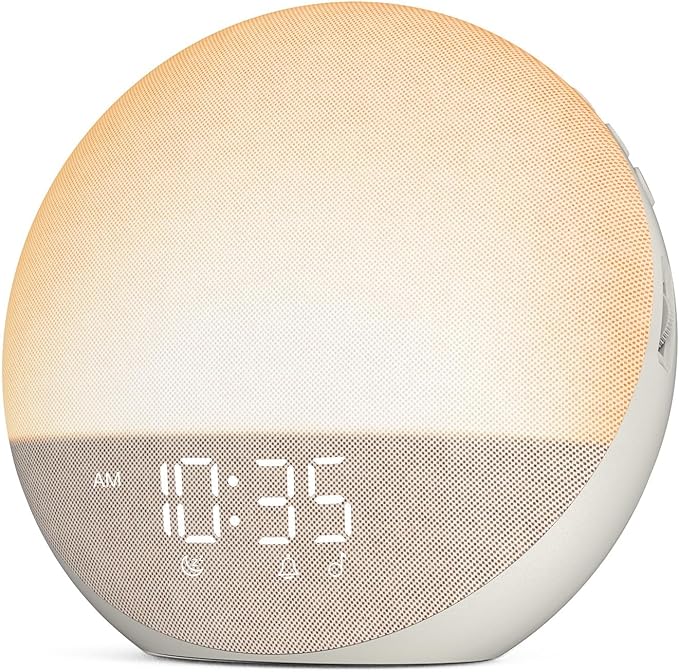


As an Amazon Associate, we earn from qualifying purchases.

This article was written by Rozen and reviewed by the TheSleepFlow Editorial Team for accuracy.
Rozen is the founder of The Sleep Flows, a research-driven platform focused on evidence-based sleep optimization and cognitive performance. His journey into sleep science began through personal experience, after struggling with insomnia and anxiety and discovering how profoundly sleep quality impacts mental clarity, productivity, and overall health.
Rozen specializes in synthesizing peer-reviewed sleep research, testing sleep technologies and routines, and documenting real-world experiments to translate complex sleep science into practical, actionable insights for everyday life.Content published on The Sleep Flows is for educational purposes only and does not replace professional medical advice