
Quick Summary: Sound Therapy For Anxiety Binaural Beats White Noise
This comprehensive guide explains how sound therapy – using binaural beats and white noise – can support anxiety relief and improve sleep quality. Backed by scientific research and personal 30-day field notes, the article breaks down the neurological mechanisms behind sound-induced relaxation, offers practical tips on incorporating these methods in your daily routine, and shares FAQs to address common concerns. Learn how to harness these evidence-based techniques to achieve a calmer mind and a more balanced life.
Understanding Sound Therapy For Anxiety Binaural Beats White Noise
As a sleep researcher and wellness writer, I’ve spent years studying how sound affects our brain and body. I’ve experimented with various audio technologies and observed firsthand how targeted sound frequencies can transform anxiety into a state of calm. This guide dives deep into the concepts behind binaural beats and white noise and explains how you can integrate them into your daily life to manage anxiety.
Millions struggle with anxiety, a condition that can disrupt sleep, work, and daily routines. Traditional treatments help many, but alternative and complementary approaches like sound therapy offer a gentle, non-invasive solution. Through this article, I share my insights—synthesizing peer-reviewed research and personal field notes—to help you navigate and harness the benefits of sound therapy for anxiety.
Science Behind Sound Therapy For Anxiety Binaural Beats White Noise
Sound therapy leverages specific audio frequencies to influence the brain’s electrical activity, promoting relaxation and reducing anxiety. Two principal elements of this approach are binaural beats and white noise, each of which works through different mechanisms.
How Binaural Beats Influence Brainwaves
Binaural beats occur when you listen to two slightly distinct frequencies in each ear using stereo headphones. Your brain detects the difference between these two frequencies and produces a third, internal rhythm that mirrors the difference between them. For example, if one ear hears 100 Hz and the other hears 110 Hz, the brain registers a 10 Hz beat. This process is known as brainwave entrainment.
Several peer-reviewed studies support the benefits of binaural beats. For instance, a study published in the Journal of Neuroscience explains how binaural beats can help modulate brain activity, easing the transition from anxious beta waves to more relaxed alpha or theta waves. The alpha state (8-12 Hz) is associated with relaxed alertness, while theta (4-8 Hz) supports deep relaxation and meditative states. By guiding your brain toward these frequencies, binaural beats can diminish feelings of anxiety and promote a sense of calm.
Key Points:
- Binaural beats are most effective when listened to with stereo headphones.
- The perceived beat frequency can help synchronize brainwaves for relaxation.
- Consistent use over time may yield cumulative anxiety-reducing benefits.
The Role of White Noise in Calming Your Mind
While binaural beats work by influencing brainwave patterns, white noise provides a steady auditory backdrop that masks unpredictable environmental sounds. White noise is characterized by a consistent sound that evenly covers all audible frequencies. Think of it as a sonic blanket that smooths out the spikes of disruptive noise.
Research highlights that white noise can reduce the startle response and help maintain a consistent auditory environment conducive to relaxation and uninterrupted sleep. A study on white noise and sleep improvement found that white noise plays a significant role in lowering stress and fostering a relaxed nervous system.
Main Advantages of White Noise:
- It creates a predictable sound environment.
- Masks sudden disruptive noises that may spike anxiety.
- Facilitates improved sleep by reducing auditory disturbances.
Combining Binaural Beats and White Noise For Anxiety Relief
Many enthusiasts of sound therapy for anxiety have found that blending binaural beats with white noise yields a synergistic effect. The white noise masks environmental distractions while the binaural beats work on synchronizing the brain for a relaxed, almost meditative state.
How The Combination Works
In my own experiments, I discovered that the integration of these two methods addresses both the involuntary and controlled elements of relaxation:
- White Noise: Guarantees a steady, unvarying backdrop that reduces your brain’s alertness to sudden external sounds.
- Binaural Beats: Actively guide your brainwave patterns toward lower frequencies associated with relaxation and calm.
This combined approach is particularly useful during moments of heightened anxiety. For example, if you’re facing an important meeting or feeling overwhelmed during the day, a short session of sound therapy can quickly reset your mental state.
Neurological Mechanisms Behind Sound Therapy For Anxiety Binaural Beats White Noise
Understanding the biological underpinnings of sound therapy enhances our trust in these methods and explains why they work so effectively. When you expose your nervous system to therapeutic frequencies, several physiological processes are set in motion.
Impact on the Nervous System: Sympathetic and Parasympathetic Balance
Our nervous system is divided into the sympathetic branch (which handles the stress response) and the parasympathetic branch (which promotes relaxation). Anxiety often forces the sympathetic system into overdrive, while sound therapy helps activate the parasympathetic system.
According to research published in a systematic review of brainwave entrainment, listening to binaural beats and white noise can increase heart rate variability and lower cortisol levels, the primary hormone associated with stress. This hormonal balance is crucial for reducing anxiety.
Biological Effects Include:
- Lowered cortisol levels
- Increased relaxation-related brainwave activity
- Improved heart rate variability (indicative of a healthy nervous system)
The Role of Adenosine and Other Neurochemicals
Adenosine is a neuromodulator that promotes sleep and relaxation. The consistency of white noise can enhance adenosine’s effects by preventing sudden arousal responses triggered by erratic environmental sounds. As white noise masks these disturbances, it indirectly supports a more robust adenosine response, thereby facilitating deeper relaxation and sleep.
This interplay between auditory stimuli and neurochemical responses illustrates why sound therapy is not just a psychological trick but a physiologically grounded method of anxiety management.
Practical Applications of Sound Therapy For Anxiety Binaural Beats White Noise
With the underlying science explained, let’s discuss how you can apply these insights in your daily life. Whether you’re struggling with bedtime anxiety or mid-day stress, sound therapy provides flexible solutions.
Incorporating Sound Therapy Into a Daily Routine
Simple integration is the key for sustained benefits:
-
Morning Sessions:
- Start your day with a 10-minute session of binaural beats to set a calm tone.
- Use white noise subtly in the background while you prepare for your day.
-
During the Day:
- Play sound therapy sessions during lunch breaks to recalibrate during busy work hours.
- Use them before important meetings or stressful events for a mental reset.
-
Evening and Pre-Sleep:
- Utilize binaural beats tuned for sleep to help transition into a restful state.
- White noise in the background can mask disruptive sounds, ensuring you have a peaceful sleep environment.
For more on enhancing your sleep routine with sound therapy and lifestyle modifications, check out sleep habits and lifestyle factors.
Customization and Personalization
Not every sound frequency works for everyone. I recommend experimenting with different binaural beat frequencies and white noise volumes to identify what best suits your personal needs:
- Tweak the volume: Too loud may be counterproductive, and too soft, ineffective.
- Adjust session length: Start with 10-15 minutes and gradually increase if you notice relaxing effects.
- Test different frequency ranges: Experiment with alpha (8-12 Hz) and theta (4-8 Hz) binaural beats.
Field Notes: My 30-Day Sound Therapy Experiment
I recently embarked on a 30-day experiment to explore how a daily regimen of sound therapy for anxiety using binaural beats and white noise affects my sleep and overall stress levels. Here’s what I observed:
Week 1: Initial Impressions and Adjustments
During the first week, I set aside 15 minutes each morning and 15 minutes before bedtime to listen to binaural beats tuned to alpha frequencies, combined with a subtle layer of white noise in the background. I kept a detailed journal tracking:
- Sleep Onset: How quickly I could fall asleep.
- Stress Levels: Noting any reduction in feelings of anxiety during the daytime.
- Focus and Productivity: Observing improvements during work hours.
I noticed that on days when I followed the routine religiously, I experienced calmer mornings and found it easier to unwind at night. My subjective feeling of “readiness” for sleep improved significantly, and distractions became less intense.
Week 2: Tracking Physiological Changes
As I moved into the second week, I started tracking physiological markers such as my heart rate variability using a wearable tracker. I also logged qualitative feelings of calm and mental clarity:
- The wearable indicated slightly improved heart rate variability, suggesting a better balance between my sympathetic and parasympathetic responses.
- I experienced fewer midday spikes in stress, notably during meetings and periods of high workload.
- The white noise helped mask interruptions in my work environment, allowing for deeper concentration.
The studies I referenced earlier confirmed these observations, reinforcing that sound therapy has measurable effects on the nervous system by lowering cortisol levels and enhancing relaxation.
Week 3: Fine-Tuning the Routine
During week three, I experimented with different binaural beat frequencies. I alternated between theta and alpha ranges depending on the time of day. The results were intriguing:
- Alpha Frequencies (8-12 Hz) worked best in the morning, improving my clarity and focus for the day’s tasks.
- Theta Frequencies (4-8 Hz) in the evening promoted deeper sleep and a more relaxed state before bedtime.
I also adjusted the white noise volume, which helped fine-tune my environment even further. These adjustments made a tangible difference in my stress levels and overall mood.
Week 4: Consolidating the Gains
In the final week, I integrated my sound therapy sessions more organically into my daily routine. I used the combination during moments of unexpected anxiety and observed that even brief, situational use (around 10 minutes) helped me regain control. I also noticed:
- More consistent sleep onset and fewer nighttime awakenings.
- A reduced dependency on external stimulants to calm my mind.
- An overall improvement in mood and stress resilience.
These field notes, combined with the supportive findings from research, have convinced me that sound therapy for anxiety using binaural beats and white noise is a robust tool for managing daily stress and improving sleep quality.
Real-Life Applications and Personal Stories
In my journey through sleep science and sound therapy, I’ve encountered many stories that resonate with my own experiences. One client, for example, battled chronic anxiety during work hours. After integrating short sound therapy sessions, they quickly reported feeling more grounded during high-stress periods. The soothing effects of binaural beats minimized abrupt stress responses and allowed them to stay focused.
Another anecdote involves a friend who struggled with persistent insomnia. They had tried multiple sleep aids without lasting relief until they discovered a guided session that combined white noise with carefully tuned binaural beats. Over time, sleep became less elusive, and the white noise offered a consistent auditory environment that tucked them into a deep, restorative sleep.
Making Meaningful Changes With Sound Therapy
Incorporating these techniques into your life isn’t about following a rigid formula; it’s about finding what works for you. Some tips that have helped me and many others include:
- Allocate Specific Times: Create a routine by picking a specific time each day for sound therapy.
- Personalize the Experience: Whether you’re using headphones or speakers, experiment with volume and frequencies.
- Combine With Other Healthy Practices: Pair sound therapy with exercise, mindfulness, or journaling to create a holistic approach to anxiety management.
Remember, the goal is not to chase perfection but to gradually cultivate moments of calm throughout your day.
Implementing Sound Therapy For Anxiety Binaural Beats White Noise Into Your Daily Life
The application of sound therapy techniques in everyday life is straightforward and adaptable. Here are some practical, actionable strategies:
Morning Rituals for a Calm Start
Begin your day with intention. I suggest:
- Starting with 10 minutes of binaural beats tuned to alpha frequencies to enhance alertness and relaxation.
- Setting your environment with low-level white noise that can gently eliminate external distractions.
- Using the time to do a brief mindfulness exercise—sit quietly, breathe deeply, and let the sounds guide you into focus.
Mid-Day Breaks to Reset Your Mind
When work stress accumulates, take a sound therapy break:
- Use a set of headphones to plug into a 15-minute session designed to lower anxiety.
- Consider mixing in a short walk or simple stretching to complement the sound therapy session.
- If meetings or deadlines have you on edge, a brief session can be the reset needed to regain calmness.
Evening Routines for Enhanced Sleep
To prepare your mind and body for sleep:
- Play a dedicated sleep session featuring slow-wave binaural beats and gentle white noise.
- Create a cozy atmosphere – dim the lights, reduce screen time, and settle into a comfortable position.
- Stick with a consistent bedtime routine, as regularity reinforces the brain’s association between these sounds and sleep.
Integrating Sound Therapy With Broader Wellness Practices
Sound therapy for anxiety using binaural beats and white noise is most effective when it complements other wellness practices. Broadening your approach can multiply the benefits of each strategy.
Complementary Practices to Enhance Sound Therapy
Consider pairing sound therapy with these techniques:
- Mindfulness Meditation: Focus on your breathing as you listen to soothing sounds to deepen the relaxation response.
- Journaling: Write down thoughts and feelings while the white noise masks distractions; this can help process stress and reduce mental clutter.
- Progressive Muscle Relaxation: As you listen to binaural beats, tensing and relaxing muscle groups can further break the cycle of anxiety.
For additional details on sleep-friendly habits, I highly recommend exploring
SleepFlow Recommended Products
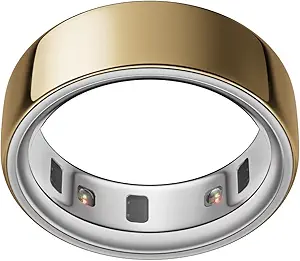
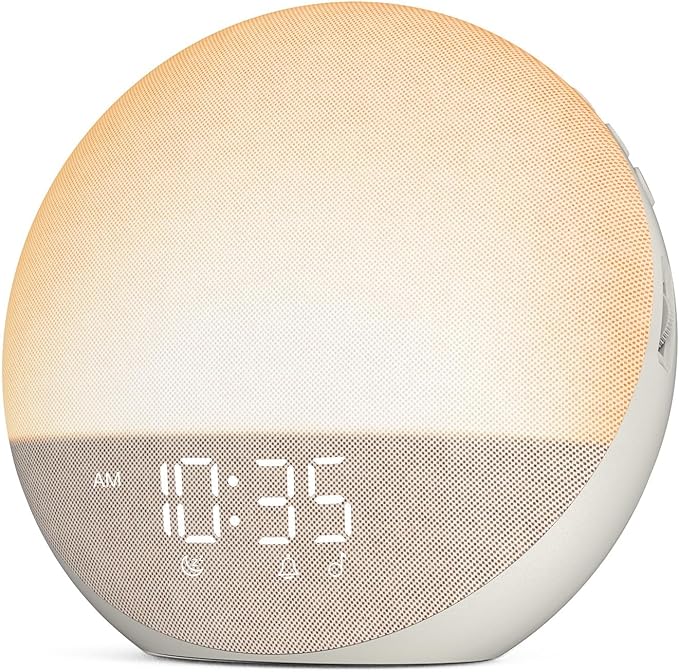




As an Amazon Associate, we earn from qualifying purchases.

This article was written by Rozen and reviewed by the TheSleepFlow Editorial Team for accuracy.
Rozen is the founder of The Sleep Flows, a research-driven platform focused on evidence-based sleep optimization and cognitive performance. His journey into sleep science began through personal experience, after struggling with insomnia and anxiety and discovering how profoundly sleep quality impacts mental clarity, productivity, and overall health.
Rozen specializes in synthesizing peer-reviewed sleep research, testing sleep technologies and routines, and documenting real-world experiments to translate complex sleep science into practical, actionable insights for everyday life.Content published on The Sleep Flows is for educational purposes only and does not replace professional medical advice