
Medical Disclaimer: I am a sleep researcher and wellness writer who synthesizes peer-reviewed research and personal experiments. I do not hold clinical or licensed medical credentials. This article is for informational and educational purposes only and should not be taken as medical advice.
Quick Summary
This guide on Sleep Coaching For Advanced Sleep Protocols breaks down how personalized sleep coaching strategies improve sleep quality. I explain the science behind circadian rhythms, sleep debt, and the role of environment in sleep. Backed by peer-reviewed research and my 30-day experimental field notes, this article provides practical steps, real-life examples, and data-driven insights to help you tailor your sleep protocols to your lifestyle. You’ll also find answers to common questions and internal links to further optimize your sleep quality.
Sleep Coaching For Advanced Sleep Protocols: An Authoritative Guide
Hi, I’m a sleep researcher and wellness writer with a passion for translating complex sleep science into plain English. Over the past decade, I have sifted through countless peer-reviewed studies and conducted my own experiments to understand how advanced sleep protocols fundamentally transform our rest. In this guide, I share my insights and data-driven strategies to help you harness the power of personalized sleep coaching. Let’s dive right in.
Understanding the Foundations of Personalized Sleep Coaching
The Role of Sleep Science in Coaching
When we discuss Sleep Coaching For Advanced Sleep Protocols, it’s important to understand that quality sleep exists at the intersection of biology, environment, and behavior. My deep dive into the literature (for example, studies on the role of adenosine in sleep regulation, available here) has shown that adenosine buildup plays a significant role in promoting sleepiness. Similarly, research on cortisol’s impact on sleep regulation (read more here) confirms that stress hormones can disrupt sleep architecture.
These biological signals are crucial in sleep coaching since they determine when to wind down, when to adjust lighting, and even when to time your meals and exercise. This isn’t about generic tips like “go to bed earlier” – it’s about designing a system that works for your individual biology.
Personalizing Sleep: Why One-Size-Fits-All Doesn’t Work
In my experience, generic sleep advice often misses the mark because every person’s sleep architecture is different. Your unique circadian rhythm – your body’s internal clock – and sleep debt are fundamental in determining how you respond to various stimuli. For instance, if you are a night owl, trying to adopt an early riser schedule may work against your biology rather than with it.
To truly optimize sleep, we need to take into account factors such as:
- Circadian Rhythm: Your natural wake/sleep cycle that determines when you are most alert or drowsy.
- Sleep Debt: The accumulated difference between the sleep you need and what you are actually getting.
- Environmental Factors: Light exposure, temperature, noise levels, and even meal timing can have a huge impact on your sleep quality.
Understanding these elements empowers us to create a personalized sleep plan that not only addresses your challenges but also adapts to your lifestyle.
The Science Behind Sleep Coaching For Advanced Sleep Protocols
Biological Mechanisms and Sleep Architecture
Sleep is a multi-stage process that cycles throughout the night. Each cycle comprises light sleep, deep sleep, and REM sleep, with each stage performing distinct biological functions. Deep sleep, for example, is vital for physical recovery and memory consolidation, while REM sleep is crucial for emotional regulation and creativity.
A peer-reviewed study available on PubMed (read more) explains how the balance between these stages contributes directly to overall well-being. If you’re not getting enough deep sleep or if your REM sleep is fragmented, homeostasis is disrupted – leading to decreased cognitive performance and poor mood the next day.
My sleep coaching approach leverages this scientific understanding to develop strategies that extend restorative sleep stages. By managing factors like room temperature, light exposure, and establishing consistent bedtime rituals, you can stimulate your body’s natural progression through these sleep stages.
The Influence of Circadian Rhythms
Your circadian rhythm is the internal timekeeper that signals when it’s time to sleep and when it’s time to wake. Research highlighted in studies (link here) shows that disruptions in circadian rhythms can lead to sleep disorders and even impact metabolic function. Using strategic exposures to bright light during the morning and dimming lights in the evening helps reinforce these natural rhythms.
In my practice, I advise clients to use light management techniques such as:
- Morning Light: Seeking bright natural light after waking up helps anchor your circadian rhythm.
- Evening Darkness: Minimizing light exposure, particularly blue light from screens, in the hours leading up to sleep.
These simple yet effective changes can significantly improve sleep quality and overall alertness during the day.
Advanced Sleep Protocols: A Detailed Breakdown
Key Components of Custom Sleep Protocols
Sleep Coaching For Advanced Sleep Protocols is not a one-size-fits-all solution. Instead, it draws from various evidence-based techniques to build a personalized sleep ecosystem. Here are the core elements:
- Sleep Timing Optimization: Establishing an ideal bedtime and wake-up time tailored to your natural rhythm and daily obligations.
- Light Management: Using exposure to natural and artificial light strategically to regulate your circadian rhythm.
- Temperature Control: Maintaining a cool, comfortable sleep environment that mimics the natural drop in core body temperature during sleep.
- Caffeine and Alcohol Management: Timing your caffeine and alcohol intake to avoid interference with your sleep cycles.
- Exercise Timing: Aligning physical activity with your body’s needs to enhance relaxation and sleep efficiency.
- Meal Planning: Scheduling your meals to support your circadian cycle and prevent late-night digestion issues.
- Stress Reduction Techniques: Incorporating mindfulness, meditation, or relaxation exercises to reduce cortisol levels before bedtime.
- Sleep Environment Optimization: Creating a bedroom ambiance that promotes deep, restorative sleep through darkness, silence, and optimal temperature.
Implementing Cognitive and Behavioral Techniques
One of the most effective aspects of advanced sleep protocols is the targeted use of cognitive behavioral techniques. Cognitive Behavioral Therapy for Insomnia (CBT-I) is a scientifically validated method that addresses the root causes of sleep disturbances. In a personalized sleep coaching setting, these techniques are adapted based on your specific challenges:
- Stimulus Control: Limiting your bed usage to sleep and intimacy, thereby strengthening the mental association between bed and sleep.
- Sleep Restriction: Condensing time in bed to improve sleep efficiency, with a gradual increase as sleep quality improves.
- Mindfulness and Relaxation: Techniques such as progressive muscle relaxation and guided meditation are employed to calm your mind.
This data-driven, customized approach ensures that both behavioral and cognitive methods are aligned with your personal sleep patterns.
Practical Strategies for Everyday Optimization
Building a Pre-Sleep Routine That Works
Even the best scientific strategies are only as good as your ability to put them into practice every day. Pre-sleep rituals are a core part of Sleep Coaching For Advanced Sleep Protocols. Here are steps you can integrate into your nightly routine:
- Light Dimming: Turn off or dim lights at least two hours before your planned bedtime. Use warm, low-intensity lights to prompt melatonin production.
- Screen Time Management: Limit exposure to blue light from electronic devices. If you must use screens, ensure you enable night mode settings or install blue light filters.
- Relaxation Practices: Incorporate activities like gentle stretching, deep breathing exercises, or listening to calming music. I often blend 10 minutes of stretching with 5 minutes of controlled breathing.
- Avoiding Late Meals: Try to schedule your dinner at least three hours before bedtime and choose light snacks if necessary.
These actionable steps can help shift your mind and body into a state ready for sleep, reducing sleep latency and improving overall sleep continuity.
Environmental Adjustments for Superior Sleep Quality
The environment in which you sleep is a silent but powerful contributor to how well you rest. Even small changes, such as adjusting bedroom temperature or noise levels, can make a significant difference. Based on my research and personal experiments, here are optimal environmental tweaks:
- Temperature: Keep your bedroom cool, ideally between 60 to 67°F. A lower room temperature mimics the natural drop in body temperature that promotes sleep onset.
- Darkness: Use blackout curtains to ensure that no stray light interferes with melatonin production. I recommend eliminating all ambient light – yes, even digital clocks!
- Sound: If silence proves elusive, white noise machines or soft ambient sounds can help mask disruptive noises.
- Comfortable Bedding: Investing in a quality mattress and pillows supports proper sleep posture and reduces discomfort during the night.
These adjustments create a sleep-friendly environment that is tailored to your individual sensitivities and preferences.
Revisiting Caffeine, Alcohol, and Nutritional Timing
What you consume – and when – can greatly impact your sleep cycles. Based on current research and personal trials, here are key nutritional pointers:
- Caffeine: Avoid caffeine after 2 PM. Research indicates that caffeine can take up to six hours to clear half of its active compounds from your bloodstream.
- Alcohol: Alcohol may initially sedate you, but it disrupts your sleep architecture later in the night, reducing overall sleep quality.
- Meal Timing: Have your main meal at least three hours before bedtime. If you’re still hungry, opt for a light snack that balances protein and carbohydrates.
These practices help mitigate the digestive and stimulant effects that might otherwise interfere with your natural sleep processes.
Field Notes: My 30-Day Sleep Experiment
I believe that real-life application provides insights that purely theoretical approaches cannot match. Here are some highlights from my 30-day personal sleep experiment using advanced sleep protocols:
- The Setup: I established a consistent sleep routine: lights dimmed two hours before bed, no screens after 9 PM, and a fixed bedtime based on my chronotype. I tracked my sleep using a wearable device and a sleep journal.
- Observations on Light Exposure: Noticing a remarkable improvement in my alertness, I began waking up with natural light exposure every morning. I powered my day with a 10-minute morning walk outside. This aligns with data from studies that highlight light’s role in re-setting circadian rhythms.
- Temperature Tweaks: I maintained my bedroom temperature at around 64°F. The cool environment helped me fall asleep faster and stay asleep longer. I noticed fewer awakenings throughout the night.
- Caffeine Cutback: Cutting off caffeine by 2 PM drastically reduced my sleep latency—the time it took to drift off reduced from 45 minutes on some days to about 20 minutes consistently.
- Pre-Sleep Rituals: Integrating mindfulness exercises, progressive muscle relaxation, and some light reading before bed reduced my overall stress levels. In my journal, I recorded substantial improvements in sleep quality ratings.
- Data-Driven Adjustments: Weekly, I reviewed my sleep metrics (duration, latency, sleep efficiency, and subjective quality ratings) and tweaked my protocols accordingly. This adaptability was key to maintaining improvements over the 30 days.
This experiment not only validated many of the theories I explore in my writings but also provided me with new, actionable insights that only firsthand experience can offer. I encourage you to experiment, track your progress, and adjust your sleep strategies based on concrete data.
Integrating Technology in Sleep Coaching
Modern Devices and How They Help
The rise of wearable technology and sleep tracking apps has transformed how we understand our sleep patterns. Modern tools like smartwatches, sleep trackers, and even smart mattresses can provide objective data on:
- Total Sleep Duration: How many hours you actually sleep.
- Sleep Latency: The time it takes you to fall asleep.
- Sleep Efficiency: The percentage of time in bed spent sleeping.
- Wakefulness Episodes: How many times you wake up during the night.
- Sleep Stages: Distribution of light, deep, and REM sleep.
This data is critical in fine-tuning your advanced sleep protocols. For example, if a sleep tracker shows that you’re frequently waking up during the night, your sleep coach might recommend adjustments to your environment or pre-sleep activities.
Setting Up Your Data System
I advocate a simple yet effective system to track sleep data consistently:
- Daily Journal: Write your bedtime, wake time, number of interruptions, and subjective sleep quality rating. It could be as simple as writing in a notebook or a digital journal.
- Spreadsheets: Organize your data by creating a spreadsheet to monitor trends over weeks.
- Weekly Reviews: Use these reviews to correlate changes in your daily routine with improvements or declines in sleep quality.
This robust tracking approach not only guides you in refining your protocols but also helps you stay accountable over time.
Sleep Coaching For Advanced Sleep Protocols in the Context of Modern Lifestyles
Addressing Irregular Schedules and Shift Work
Many individuals – whether flight attendants, night-shift workers, or remote employees – face unique sleep challenges that generic solutions can’t address. In my work, I’ve observed that:
- Night Shift Workers: Learn to treat their sleep time as “daytime.” Use bright light exposure during work hours and blackout strategies when sleeping during daylight.
- Rotating Schedules: Benefit from protocols that allow gradual adjustment in wake and sleep times. This helps the body adapt rather than forcing abrupt changes.
- Frequent Travelers: Implement strategies like strategic light exposure and timed melatonin supplementation (while being mindful of its proper use) to adjust to new time zones.
If you’re juggling irregular schedules, consider these tailored strategies as part of your custom plan to achieve better sleep.
Managing High-Stress Lifestyles
Stress can be one of the worst foes of quality sleep. Through my research and personal experience, I found that reducing stress levels significantly improves sleep outcomes. Here’s how you can control stress-related sleep disruption:
- Mindful Relaxation: Techniques like guided meditation, deep breathing, or yoga can help lower cortisol levels before bed.
- Pre-Sleep Rituals: Activities such as reading or listening to soothing music cue your body for sleep.
- Dedicated Sleep Space: Create an environment exclusively associated with sleep rather than work or daily worries.
These methods can make a remarkable difference, especially for those with high-stress work schedules or demanding lifestyles.
Practical Implementation: Crafting Your Personalized Sleep Protocol
Step-by-Step Process to Get Started
Here’s a breakdown of steps you can take immediately to start improving your sleep using Sleep Coaching For Advanced Sleep Protocols:
- Self-Assessment: Track your sleep for one to two weeks. Document your bedtime, wake time, number of awakenings, and how you feel each day.
- Identify Disruptors: List potential factors – from environmental issues to lifestyle habits – that may be affecting your sleep.
- Set Clear Goals: Whether it’s reducing sleep latency, increasing sleep duration, or improving sleep efficiency, know what you’re aiming for.
- Experiment and Adjust: Roll out changes gradually. For example, start with adjusting your sleep environment. Then, incorporate cognitive techniques like stimulus control.
- Review and Reflect: Use your sleep journal and data to assess what’s working and what isn’t. Adjust accordingly.
This iterative process not only helps you optimize your sleep gradually but also builds a resilient system that adapts as your lifestyle changes.
Integrating Internal Resources
For additional tips and strategies on improving sleep quality and understanding optimization techniques, I recommend visiting Sleep Optimization & Sleep Quality at The Sleep Flows. Their resources complement the approaches discussed in this guide well.
The Role of Nutrition and Lifestyle in Sleep Optimization
Harnessing Food and Exercise for Better Sleep
What you consume and your daily physical activity can significantly alter your sleep patterns. Based on research and my personal experiments, here’s how you can fine-tune your nutritional and exercise habits:
- Caffeine Management: Avoid caffeine in the afternoon to prevent delayed sleep onset.
- Balanced Meals: Eat a nutritious dinner at least three hours before sleep. Light snacks that combine protein with carbohydrates can help if you’re hungry later.
- Regular Exercise: Schedule workouts earlier in the day if possible. For some, evening exercise might work, but it’s important to note that consistency is key for your circadian rhythm.
Implementing these changes may seem small individually, but together they compound to produce significantly better sleep outcomes over time.
Measuring Progress: The Data Behind Your Sleep Transformation
Establishing Your Sleep Baseline
Before trying any advanced protocols, you need to understand where you’re starting. Establishing a baseline involves tracking key sleep metrics for at least one week. I typically note:
- Bedtime and Wake Time: When you go to sleep and when you get up.
- Sleep Latency: How many minutes it takes to fall asleep.
- Sleep Efficiency: The percentage of time spent asleep compared to the total time spent in bed.
- Subjective Sleep Quality: A self-rated score from 1 to 10 on how rested you feel upon waking.
This baseline is vital because it informs which adjustments are necessary and how to track your progress as you refine your personalized protocol.
Key Metrics and Tools to Monitor Your Sleep
Measurements guide improvements. Here are some key metrics to monitor while using advanced sleep protocols:
- Total Sleep Duration: Hours slept each night.
- Sleep Latency: Minutes taken to fall asleep.
- Wakefulness After Sleep Onset (WASO): Total minutes awake after initially falling asleep.
- Sleep Efficiency: The ratio of total sleep time to time spent in bed.
- Sleep Quality: A subjective measurement, yet critical to understanding your sleep experience.
Using devices like smartwatches, dedicated sleep tracking apps, or even a simple journal can provide continuous feedback on these metrics.
Using Data to Refine Your Protocol
A data-driven approach is the backbone of my sleep coaching model. Regularly reviewing your sleep data allows you to:
SleepFlow Recommended Products

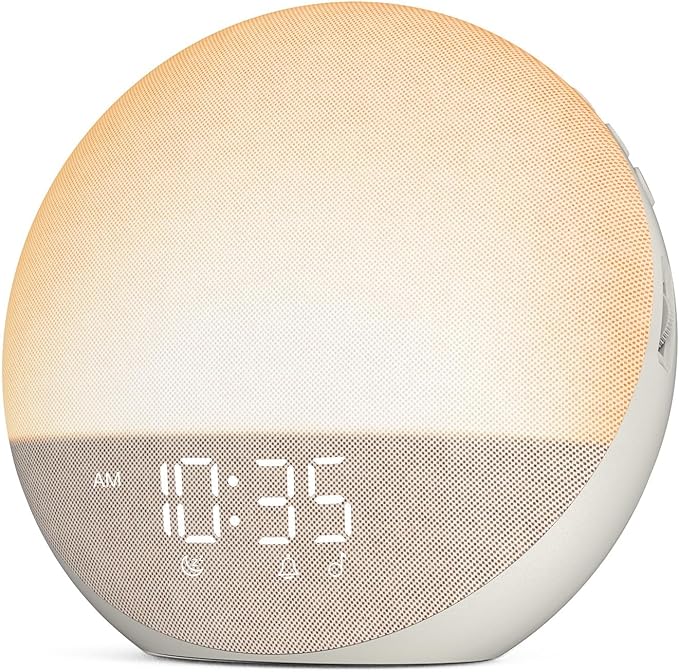




As an Amazon Associate, we earn from qualifying purchases.

This article was written by Rozen and reviewed by the TheSleepFlow Editorial Team for accuracy.
Rozen is the founder of The Sleep Flows, a research-driven platform focused on evidence-based sleep optimization and cognitive performance. His journey into sleep science began through personal experience, after struggling with insomnia and anxiety and discovering how profoundly sleep quality impacts mental clarity, productivity, and overall health.
Rozen specializes in synthesizing peer-reviewed sleep research, testing sleep technologies and routines, and documenting real-world experiments to translate complex sleep science into practical, actionable insights for everyday life.Content published on The Sleep Flows is for educational purposes only and does not replace professional medical advice