
Medical Disclaimer: I am a sleep researcher and wellness writer who synthesizes peer-reviewed research and personal experimental observations. I do not hold any medical, clinical, or licensed credentials. The information provided in this article is intended for informational purposes only and is not a substitute for professional medical advice.
Quick Summary
- This guide explores sensory friendly sleep for neurodivergent individuals through scientific research, personal experiments, and practical strategies.
- We discuss sensory considerations including light, sound, textures, and temperature to optimize your sleep environment.
- Actionable tips and routines are provided in plain language and backed by peer-reviewed studies.
- Access additional advice on sleep habits and lifestyle factors via our internal link at Sleep Habits & Lifestyle Factors.
- Includes a dedicated Field Notes section detailing a 30-day personal experiment.
- FAQs are provided to address common questions about sensory friendly sleep for neurodivergent individuals.
Sensory Friendly Sleep For Neurodivergent Individuals: An Authoritative Guide
As a dedicated sleep researcher and wellness writer, I have spent years synthesizing peer-reviewed research and running personal experiments to understand the complex interplay between sensory processing and sleep. Neurodivergent individuals—including those with autism, ADHD, dyslexia, and other neurotypes—often experience sleep differently. This comprehensive guide provides a deep dive into sensory friendly sleep for neurodivergent individuals, breaking down the science behind sensory sensitivities and offering actionable strategies for creating a sleep environment that supports restorative rest.
Understanding Sensory Friendly Sleep For Neurodivergent Individuals
Neurodivergent individuals process sensory input differently from neurotypical people. For many, even benign stimuli such as gentle light, soft sounds, or smooth textures can either trigger arousal or help soothe the nervous system. My research and personal experiments have led me to appreciate that optimal sleep is not a generic one-size-fits-all formula—it needs to be tailored based on your specific sensory requirements.
Peer-reviewed research supports these observations. One study on the role of adenosine in sleep regulation can be found at this link. It explains that adenosine accumulates during wakefulness and promotes sleep—however, in neurodivergent individuals, the interplay with sensory stimuli is particularly important. Additionally, research on cortisol’s effects on sleep, detailed in a study available at this PubMed article, demonstrates how stress hormones interfere with sleep onset and quality.
Biologically, these variations in neurological functioning mean that external sensory cues—whether pleasant or disruptive—can significantly influence your natural sleep architecture. This guide is designed to walk you through various aspects of creating a truly sensory friendly sleep environment that works with, rather than against, your unique neurobiology.
Optimizing Your Sleep Environment: Key Sensory Considerations
Creating the perfect setting for sleep involves careful consideration of your bedroom’s sensory landscape. Here, I break down the major factors you need to address—lighting, sound, texture, temperature, and visual clutter—to design an environment that supports sensory friendly sleep for neurodivergent individuals.
Managing Light and Visual Elements
Light is one of the most influential factors controlling sleep. When your eyes are highly sensitive—even when closed—bright or flickering lights can disrupt your sleep cycle. For many neurodivergent individuals, even minimal light sources can either prevent sleep or cause arousal.
Key strategies to manage light in your bedroom include:
- Installing blackout curtains to completely block external light.
- Using eye masks that are comfortable and free from irritating seams.
- Choosing lamp shades that emit a warm, dim glow rather than harsh white or blue light.
- Setting up smart lighting systems (such as Philips Hue or LIFX) that allow you to gradually dim the lights as bedtime approaches.
I recommend experimenting with different lighting conditions to find your ideal balance. For instance, some nights you might want complete darkness, while other nights a gentle, ambient glow can prevent feelings of overwhelming isolation caused by abrupt darkness.
Visual Aesthetics and Color Schemes
The colors on your walls and décor play a significant role in setting the tone for sleep. Busy patterns and stimulating colors can overload your visual senses even while you’re trying to wind down.
- Neutral tones: Soft blues, greens, grays, and warm whites create a soothing background.
- Minimal clutter: Reducing visible objects and using storage solutions can help maintain a calm space.
Minimizing visual distractions can help your mind relax, a strategy I discuss in more detail at our internal page on Sleep Habits & Lifestyle Factors.
Addressing Sound and Noise Concerns
Sound sensitivity is common among neurodivergent individuals. Unpredictable or inconsistent sounds can hinder your ability to fall—and stay—asleep. On the other hand, some constant, predictable noise (like white noise) might actually be calming.
Practical tips for managing sound include:
- Using a white noise machine, fan, or smartphone app to produce constant background noise.
- Trying brown noise or rain sounds if white noise feels too clinical.
- Utilizing high-quality earplugs or noise-cancelling earbuds if external noise is unavoidable.
- Experimenting with in-room speakers connected to smart devices (like Amazon Echo or Google Home) to stream low-volume, relaxing audio.
Research on auditory processing in neurodivergent individuals suggests that consistent auditory input can minimize the chances of sudden auditory triggers waking you up. For additional insights, view relevant papers discussing sound sensitivity in autism at this PubMed link.
Choosing the Right Textures and Bedding Materials
The tactile experience of your bedding cannot be overstated for neurodivergent individuals. Sensitivity to touch may mean that a fabric’s feel can either soothe your senses or keep you awake with discomfort. Over my years of experimentation, I have found that paying close attention to fabric details is crucial.
Here are some practical tips for choosing textures:
- Smooth, high-thread count cotton: Many individuals favor its softness and breathability.
- Bamboo fabric: Known for moisture-wicking properties and a naturally cool feel.
- Weighted blankets: When appropriately sized (roughly 10% of your body weight), these offer deep pressure stimulation that can calm your nervous system.
- Pillows: Experiment with both firm and soft options such as memory foam and hypoallergenic materials to see what best supports your neck and head.
Personally, I discovered that swapping out scratchy synthetic sheets for soft bamboo fabric made a remarkable difference in how quickly I felt relaxed at night. It’s all about listening to your body’s cues and adjusting accordingly.
Temperature Control: Getting It Just Right
Temperature plays a critical role in achieving sensory friendly sleep for neurodivergent individuals. The body must drop in temperature to initiate sleep, and variations in bedroom temperature can frustrate this process. Over the years, my personal experiments have demonstrated that even slight adjustments can lead to noticeable improvements in sleep quality.
Tips for temperature control:
- Maintain a cooler room temperature, typically between 60-67°F, though personal comfort may vary.
- Use smart thermostats (like Nest or Ecobee) to automatically adjust temperature as bedtime nears.
- Experiment with weighted or cooling blankets on warm nights, and layer bedding for customizable warmth on colder nights.
By adjusting the temperature environment, you naturally support your body’s circadian rhythm—helping you fall asleep faster and sleep more soundly.
Reducing Sensory Clutter and Distractions
A cluttered environment can lead to sensory overload, keeping your mind engaged when it should be winding down. For neurodivergent individuals, reducing visual and tactile clutter helps cue the brain that it’s time to relax.
Steps to reduce sensory clutter:
- Minimize items on your nightstand and clear surfaces.
- Store clothing and personal items in drawers or closets.
- Choose a minimalist décor approach with calming, neutral colors.
- Cover or remove digital displays (like alarm clocks with bright lights) that might cause unnecessary visual stimulation.
This strategy isn’t about hiding your personality—it’s about creating a sleep-friendly backdrop that does not compete for your brain’s attention.
Establishing Sensory Friendly Sleep Routines For Neurodivergent Individuals
Building routines in line with sensory friendly sleep for neurodivergent individuals is essential. The consistent application of a personalized sleep ritual primes your body and brain to transition towards sleep more effectively.
Understanding Your Unique Sensory Preferences and Triggers
Before you can create a personalized routine, it’s vital to understand what specifically impacts your sleep. I recommend keeping a sleep journal for one week to record observations about your bedtime sensory experiences. Ask yourself:
- Which textures of bedding do I find most comforting?
- What lighting conditions help me wind down?
- Do specific sounds, such as the hum of a fan or the whisper of white noise, work better than complete silence?
- How does room temperature correlate with my sleep quality?
Answering these questions allows you to pinpoint what works best for your extra-sensitive system.
Crafting a Consistent and Relaxing Bedtime Routine
A structured bedtime routine teaches your body that it’s time to switch from an active to a sleep state. Over my 30-day experiments, I refined my evening routines to incorporate techniques that soothe my sensory processing rather than overstimulate it.
Elements of an effective bedtime routine include:
- Dimming the lights: Switch from harsh overhead lights to a dim lamp or warm LED lights approximately 30-60 minutes before sleep.
- Minimizing screens: Reduce exposure to blue light by avoiding screens an hour before bed or using blue light filters.
- Engaging in calming activities: Read a book, listen to a low-volume podcast, or do gentle stretching.
- Incorporating relaxation techniques: Practice deep breathing exercises, progressive muscle relaxation, or even gentle self-massage.
Tailor these activities to your sensory preferences. For example, I often opted for a five-minute stretching routine paired with soft instrumental music, which signaled my body that I was transitioning from the hectic pace of the day to a restful state.
Managing Stimulation Throughout the Day
Your daytime sensory experiences heavily influence your nighttime routine. Overstimulation during the day—be it from work, social interactions, or environmental factors—can extend into nighttime arousal, making sleep elusive.
To manage daytime stimulation:
- Schedule brief periods of quiet or mindfulness breaks during busy periods.
- Be aware of activities that heighten sensory overload and plan recovery time afterward.
- Experiment with reducing chaotic inputs in the afternoon, such as lowering background noise or reducing screen time before evening.
Adjusting your daytime rhythm can dramatically help your brain transition smoothly into sleep mode at night.
Field Notes: My 30-Day Sensory Sleep Experiment
I believe real-world experiments offer insights that pure research sometimes misses. Over the past 30 days, I dedicated myself to fine-tuning my sensory friendly sleep routine for neurodivergent individuals. Here’s an overview of my findings:
- Week 1: I began by tracking my sleep patterns and noting responses to different environmental adjustments. I experimented with blackout curtains and dim, warm ambient lighting, which immediately improved my early night rest.
- Week 2: I integrated white noise and nature soundtracks set at a low volume. I discovered that rain sounds combined with soft instrumental tunes were particularly effective in masking sudden disturbances, reducing the frequency of brief awakenings.
- Week 3: I switched out my bedding for high-thread-count cotton sheets paired with a weighted blanket that was calibrated to 10% of my body weight. This combination delivered deep pressure stimulation that was instrumental in calming my racing thoughts. I also experimented with cooling pillows on warm nights.
- Week 4: Finally, I created a progressive routine that included a 30-minute wind-down phase: dimming lights gradually, avoiding screens, reading a physical book, and doing light stretching. This comprehensive strategy improved my sleep onset and deep sleep phases as tracked by my wearable device.
From these observations, I learned that no single modification provided a miracle solution; rather, it was the cumulative effect of controlling light, sound, texture, and temperature that resulted in a bona fide improvement in sleep quality. These personal insights complement the existing research and provide tangible, customizable strategies for sensory friendly sleep for neurodivergent individuals.
Technology and Tools Enhancing Sensory Friendly Sleep
Modern technology offers an array of tools that assist in building a sleep environment accurately tailored to your needs. Sensory friendly sleep for neurodivergent individuals can be significantly enhanced when digital innovation meets personalized sensory management.
Smart Lighting Systems
Smart bulbs like Philips Hue or LIFX are powerful tools in controlling your bedroom’s light conditions. With these, you can:
- Gradually dim the lights to mimic sunset.
- Change colors to warmer hues (amber or red) that help reduce the disruptive impact of blue light.
- Use automation settings to synchronize your light transitions with your natural sleep rhythm.
This technology is particularly beneficial because—by reducing blue light exposure—you naturally support melatonin production, an essential hormone for sleep regulation.
Sound Management Devices
Smart speakers and specialized white noise machines can create the consistent background sound that many neurodivergent individuals find essential for sleep. Consider these options:
- Smart speakers integrated with Amazon Echo or Google Home, allowing voice control and timed sound sessions.
- High-quality white noise or nature sound machines that cover a range of preferred sounds, from rain to gentle ocean waves.
- Noise-cancelling headphones or earbuds that can help mitigate unpredictable external noise without creating complete silence that might feel unnerving.
Precise Temperature Control
Because your body’s ability to fall asleep is closely tied to its cooling process, smart thermostats and sleep-specific bedding technology can be invaluable. For instance:
- Smart thermostats (such as Nest or Ecobee) allow you to set exact temperature ranges for your bedroom, ensuring you maintain a comfortable environment throughout the night.
- Smart bed systems like Eight Sleep or Ooler can enable individualized temperature control on each side of the bed, which is particularly helpful if you share the room with someone whose temperature needs differ.
Wearable Sleep Tracking Devices
Incorporating a wearable device into your routine can offer concrete insights into your sleep stages (light, deep, REM) and overall improvement after adjustments. Tracking helps verify the effectiveness of your sensory adjustments with objective data, supporting the personalization of your sleep environment. I regularly refer to my sleep tracker’s reports to see measurable changes following tweaks in my routine.
Apps and Digital Sleep Tools
Sleep hygiene apps like Calm, Headspace, or Insight Timer offer guided meditations, breathing exercises, and sleep stories tailored to different sensory preferences. Additionally, digital sleep logs let you correlate changes in your environment with improvements in sleep quality. This is especially useful for neurodivergent individuals as it creates a data-driven path toward enhanced sleep.
Integrating Sensory-Friendly Strategies Into Daily Life
Achieving sensory friendly sleep for neurodivergent individuals is not about quick fixes but developing sustainable sleep habits that integrate seamlessly into your daily routine. Here are vital steps that you can adopt:
Customizing Your Sleep Hygiene
Good sleep hygiene includes:
- Structured routines: Develop an evening ritual that gradually reduces sensory stimulation, such as dimming lights, lowering ambient noise, and preparing a quiet, clutter-free sleep space.
- Mindful transitions: Transition from active daytime engagement to quiet, reflective evening activities. Simple practices like jotting down thoughts in a notebook help prevent racing thoughts at bedtime.
- Environmental consistency: Keep your sleep environment stable by controlling factors like temperature, noise, and light even on weekends.
SleepFlow Recommended Products

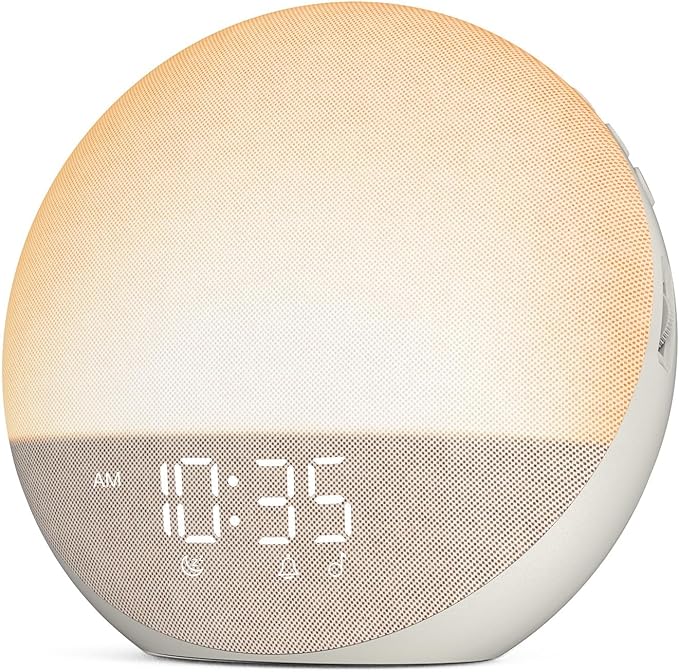




As an Amazon Associate, we earn from qualifying purchases.

This article was written by Rozen and reviewed by the TheSleepFlow Editorial Team for accuracy.
Rozen is the founder of The Sleep Flows, a research-driven platform focused on evidence-based sleep optimization and cognitive performance. His journey into sleep science began through personal experience, after struggling with insomnia and anxiety and discovering how profoundly sleep quality impacts mental clarity, productivity, and overall health.
Rozen specializes in synthesizing peer-reviewed sleep research, testing sleep technologies and routines, and documenting real-world experiments to translate complex sleep science into practical, actionable insights for everyday life.Content published on The Sleep Flows is for educational purposes only and does not replace professional medical advice