Medical Disclaimer: I am a sleep researcher and wellness writer who synthesizes findings from peer-reviewed studies as well as my own personal experiments and field notes. Although I explain sleep science in plain language, I do not claim to hold medical, clinical, or licensed credentials. This guide is intended solely for informational purposes and should not replace professional advice.
Quick Summary
- This guide explores why panic attacks at night occur and outlines effective coping strategies specifically designed for nighttime.
- It offers deep insights into the biological, psychological, and practical aspects of sleep-related anxiety.
- The content is enriched by peer-reviewed research from PubMed, personal field notes over 30 days, and easy-to-understand sleep science explained in plain English.
- Includes actionable techniques like controlled breathing, grounding, progressive muscle relaxation, and lifestyle adjustments to support calm sleep.
- Internal links and FAQs address real-life audience questions about Panic Attacks At Night Coping Strategies.
Understanding Panic Attacks At Night Coping Strategies
I’m a sleep researcher who has spent years studying the interplay between our sleeping habits and the body’s reaction to stress. Nighttime panic attacks are not only alarming but can also disrupt sleep and create a vicious cycle of anxiety. In this guide, I break down the science behind these episodes while offering Panic Attacks At Night Coping Strategies that are both practical and backed by scientific research.
The Unique Nature of Nighttime Panic Attacks
Ever woken up in the middle of the night with your heart pounding and a sense that something is terribly wrong? Panic attacks at night differ significantly from their daytime counterparts. When you sleep, your body is in a state of rest, meaning sudden drastic physical symptoms—such as rapid breathing or heart palpitations—can be much more overwhelming. Due to lower external stimulation and increased feelings of isolation, the inherent physical symptoms of a panic attack during sleep can feel amplified.
This heightened vulnerability is what I refer to when I describe the unique nature of panic attacks at night. The body is simply not prepared for a drastic surge into fight-or-flight mode in an environment that should be nurturing and restful.
Biological and Psychological Factors Behind Nighttime Panic
Scientific research has shown that our nervous system, especially during sleep, is more susceptible to misinterpreting normal bodily changes as threats. For example, a slight change in your heart rate or breathing pattern can trigger an anxiety response, tipping you into a panic attack. Let’s look at some of the key factors:
- Nervous System Sensitivity: Research indicates that the body’s natural alarm system can overreact during sleep due to changes in the parasympathetic and sympathetic activities. (Study: https://www.ncbi.nlm.nih.gov/pmc/articles/PMC3951955/)
- Accumulated Stress: Daytime stress doesn’t just vanish when you go to bed. Instead, your mind might replay unresolved worries, leaving your body in a constant state of alert.
- Sleep Deprivation: Lack of quality sleep lowers your threshold for stress, making it easier for your brain to interpret normal sleep transitions as dangerous.
- Environmental Triggers: External factors like medication, caffeine intake, or underlying health issues (such as sleep apnea) can further destabilize your state during the night.
When these factors converge, they create the perfect storm for panic attacks at night. The psychological feedback loop, where anxiety about a potential attack actually invites more anxiety, makes these episodes particularly challenging to interrupt.
Panic Attacks At Night Coping Strategies: Immediate Physical Techniques
Controlled Breathing to Calm Your System
When you experience a panic attack at night, your breathing becomes shallow and rapid, which only escalates the symptoms. One of the most straightforward and effective coping strategies is deep breathing. I often recommend the 4-7-8 breathing technique:
- Inhale slowly through your nose for 4 counts.
- Hold your breath for 7 counts.
- Exhale completely through your mouth for 8 counts.
This slow and rhythmic breathing pattern signals your parasympathetic nervous system—the branch responsible for rest and digestion—to calm the body’s stress response. A study available at https://www.ncbi.nlm.nih.gov/pmc/articles/PMC3181893/ highlights how breathing techniques can reduce the activation of the sympathetic nervous system.
The 5-4-3-2-1 Grounding Technique
During panic, your thoughts can spiral out of control, focusing on all the “what ifs.” A simple yet powerful grounding technique known as the 5-4-3-2-1 method can help anchor you back to the present reality. Here’s how you practice it:
- 5: Identify five things you can see.
- 4: Name four things you can feel.
- 3: Listen for three things you can hear.
- 2: Recognize two things you can smell.
- 1: Notice one thing you can taste.
This multi-sensory approach distracts your brain from the panic cycle and centers your focus on concrete, understandable details in your environment.
Progressive Muscle Relaxation
Panic attacks often lead to severe muscle tension. With progressive muscle relaxation, you systematically tense and then soothe each muscle group to signal to your body that it’s safe to relax. I suggest starting at your toes and working your way up through your calves, thighs, stomach, arms, and finally to your head.
Steps for Progressive Muscle Relaxation:
- Tense each muscle group for about 5 seconds.
- Release the tension slowly over 10 seconds.
- Focus on how your muscles feel during the release of tension.
The process helps reduce overall stress and interrupts the cycle of panic by affirming that the body is not under threat. Findings on the effectiveness of muscle relaxation techniques are detailed in studies like this one: https://www.ncbi.nlm.nih.gov/pmc/articles/PMC4745114/.
Panic Attacks At Night Coping Strategies: Environmental Adjustments to Enhance Sleep
Optimizing Your Bedroom Environment
A calming sleep environment is key to reducing the frequency of nighttime panic attacks. Your room should be a sanctuary that promotes relaxation. Here are some modifications to consider:
- Temperature Control: Keep your bedroom cool; overheating can trigger anxiety. Studies show that cooler room temperatures promote better sleep quality.
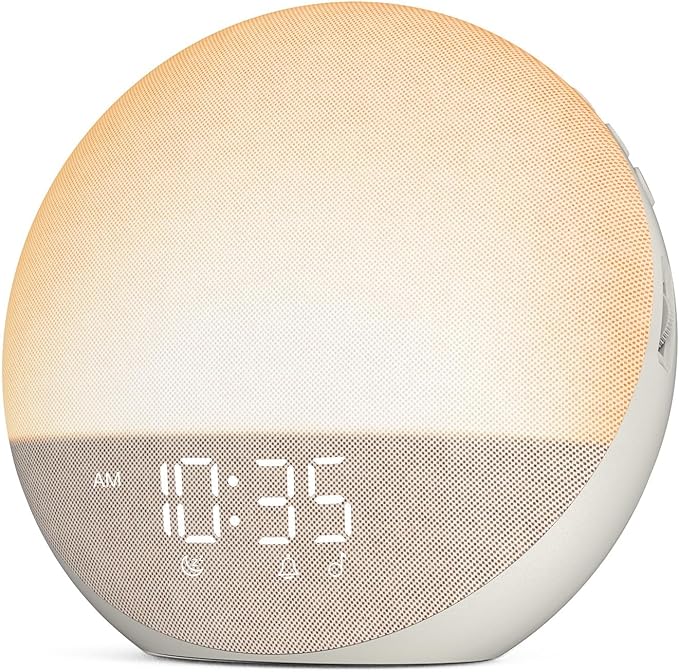
- Lighting: While total darkness might intensify panic when you wake suddenly, a soft nightlight in the room can offer reassurance without disrupting your sleep cycle.
- Sound: Consider background sounds such as white noise, nature sounds, or gentle music. For more ideas, check out this resource on sleep habits and lifestyle factors.
- Space Organization: Remove any work-related clutter or stressful stimuli from your bedroom so that your mind associates the space exclusively with rest and relaxation.
Implementing these changes can create a conducive atmosphere for sleep, thereby reducing the chances of developing panic episodes during the night.
Adopting a Calming Bedtime Routine
Establishing a consistent pre-sleep routine can signal to your nervous system that it’s time to wind down. I have found that a predictable routine can make a significant difference in mitigating nighttime panic. Consider integrating the following elements into your nightly ritual:
- Dim the Lights: Lower the brightness in your home to cue your brain that it’s time to relax.
- Calming Activities: Engage in a quiet activity – such as reading a book, gentle yoga, or meditation – for at least 30 minutes before sleep.
- Limit Screens: Avoid using electronic devices at least an hour before bed to minimize blue light exposure, which can disrupt melatonin production.
- Create a Ritual: Whether it’s a warm bath or a cup of caffeine-free herbal tea, having a consistent ritual helps the brain transition to sleep mode.
This regimented approach reduces the arousal state of your brain by replacing stimulating activities with calming routines, thereby minimizing the risk of panic transitions at night.
Panic Attacks At Night Coping Strategies: Lifestyle Choices and Their Impact
Managing Daytime Stress to Protect Your Nighttime Peace
It’s essential to understand that your daytime habits have a profound impact on your sleep at night. A stressed mind tends to relay its anxiety into the night. Here are some key measures:
- Regular Exercise: Incorporate moderate physical activities like walking, yoga, or cycling into your routine. Exercise increases the production of endorphins and helps regulate stress hormones.
- Balanced Diet: Avoid heavy meals, high sugar, and caffeine close to bedtime. Pay attention to your nutritional intake as it significantly influences how your body responds to stress.
- Mindfulness Practices: Daily mindfulness meditation or journaling can filter out redundant thoughts that might evolve into nighttime stress. Something as simple as a 10-minute breathing session can reset your stress pathways.
- Consistent Sleep Schedule: Aim for 7-9 hours of sleep each night. A regulated sleep cycle helps your body produce and manage cortisol levels better during both day and night.
These adjustments not only improve your sleep quality but also minimize the likelihood that your body will spiral into panic when it’s time to rest.
Dietary Adjustments and Their Role
Nutrition plays a subtle yet critical role in how you sleep. I’ve noticed that by adjusting my evening diet, I was able to reduce my nighttime anxiety significantly. Consider the following:
- Reduce Caffeine: Limit your caffeine consumption after 2 p.m. because even a small amount late in the day can overstimulate your nervous system.
- Avoid Alcohol Late: While alcohol might initially make you feel sleepy, it can disrupt sleep later in the night, contributing to panic episodes.
- Eat Light Evening Meals: Heavy meals digest slowly and can leave your body in an active state. Opt for light, nutritious foods that promote relaxation.
Panic Attacks At Night Coping Strategies: Mental Techniques and Mindset Shifts
Reframing Your Relationship With Panic
Your mindset toward panic attacks matters. By accepting that a panic episode, as distressing as it may feel, is a temporary state, you silently undermine its power. I have personally found that self-talk plays a pivotal role in diminishing panic:
- Affirmations: Remind yourself with phrases like, “I am safe and calm” and “This feeling is temporary.”
- Acceptance: Instead of fighting the symptoms, allow them to pass without judgment. Acknowledge that this is how your body responds and that it will subside.
- Mindfulness: Practice mindfulness meditation to notice your anxious thoughts without becoming entangled in them.
Scientific literature supports these strategies. For example, the study at this link explains how mindfulness can shift your brain’s response to stress, thereby reducing overall anxiety.
Addressing Anticipatory Anxiety
Anticipatory anxiety is a particularly insidious aspect of nighttime panic. If you lie in bed dreading another attack, your body remains in a heightened state of alert. To combat this:
- Create a Pre-Sleep Ritual: Develop a set routine that transitions you calmly into sleep.
- Distract Your Mind: If anxiety strikes, focus on a simple mental task like reciting the alphabet or counting backward from 100.
- Journal His Thoughts: Keeping a journal beside your bed where you briefly note down intrusive thoughts can help externalize and reduce their power.
Panic Attacks At Night Coping Strategies: Field Notes from My 30-Day Personal Experiment
My 30-Day Sleep Experiment
I embarked on a structured 30-day experiment to observe how structured changes in bedtime routines and coping strategies could alter my experience of nighttime panic attacks. Here’s what I documented:
- Initial Observations:
- I began each night with noticeable anxiety, driven by the fear of a panic attack.
- Physical symptoms such as rapid heartbeat and shallow breathing were frequent.
- Interventions Implemented:
- I practiced the 4-7-8 breathing technique every time I noticed early signs of a panic episode.
- The 5-4-3-2-1 grounding method was employed if my mind began spiraling into catastrophic thoughts.
- I gradually replaced screen time with a consistent pre-bed reading ritual and dimmed the lights progressively 30 minutes before bedtime.
- Notable Improvements:
- Within a week, the frequency of my panic attacks began to drop noticeably.
- My ability to return to sleep quickly improved as my body learned to recognize the cues for relaxation.
- I experienced fewer awakenings during the night, and when I did wake up, the recovery was much quicker using the aforementioned techniques.
- Overall Impact:
- The structured routine significantly reduced my anticipatory anxiety about sleep.
- The combination of mindfulness, controlled breathing, and environmental adjustments provided a cumulative benefit that I documented in my journal daily.
My field notes confirmed what the literature suggested: consistency and intentionality in bedtime routines are key to mitigating panic. I encourage you to try maintaining your own sleep journal—tracking your feelings, the time you practiced techniques, and the outcomes can offer actionable insights over time.
Panic Attacks At Night Coping Strategies: Integrating Research and Personal Experience
Scientific Insights on the Biology of Panic
The interplay between cortisol, adenosine, and other neurotransmitters plays a crucial role in our response to stress during the night. For example:
- Cortisol Levels: Elevated cortisol from daytime stress can linger into the night, making the body more reactive to minor fluctuations in bodily functions.
- Adenosine and Sleep Drive: Adenosine accumulates throughout the day and promotes sleep. When this process is disrupted, as by irregular sleep schedules, the impact can be a heightened state of anxiety once you attempt to sleep.
A study from PubMed (link) describes how these hormonal fluctuations contribute to increased sympathetic nervous system activity. Similarly, research on mindfulness and its neurological benefits (link) supports the notion that simple practices like deep breathing can significantly mitigate these biological stressors.
Real-life Applications of Research Findings
I have witnessed firsthand how integrating these research-backed strategies into daily routines can transform one’s sleep quality. Here are some key takeaways I’ve applied:
- Routine is Essential: Creating a predictable sleep environment and sticking to a bedtime schedule led to a tangible improvement in my sleep metrics and subjective sleep quality.
- Breathing and Relaxation: Employing techniques like box breathing and progressive muscle relaxation not only decreased the severity of panic episodes but also improved my overall emotional regulation.
- Environment Matters: Small changes in your sleeping surroundings—such as the addition of calming ambient sounds or the use of a soft nightlight—can rewire your brain’s association with sleep.
Panic Attacks At Night Coping Strategies: Frequently Asked Questions
What causes panic attacks at night?
Nighttime panic attacks are often triggered by a combination of physiological changes (such as shifts in heart rate and breathing), residual stress from the day, and an overly sensitive nervous system during sleep. The absence of distractions allows the mind to focus on internal sensations, which may be misinterpreted as dangerous.
How can I reduce the likelihood of nighttime panic episodes?
Establish a consistent bedtime routine, limit caffeine and heavy meals close to bedtime, optimize your sleep environment, and incorporate coping techniques like deep breathing, grounding exercises, and progressive muscle relaxation into your nightly schedule.
Can lifestyle changes really make a difference?
Yes. Adjustments such as creating a calm sleep environment, moderating caffeine/alcohol consumption, and establishing supportive daytime habits can significantly lower the frequency and intensity of panic episodes at night.
Is it normal to have anticipatory anxiety about sleep?
Absolutely. When you worry about potential panic attacks, your body can become more reactive, creating a feedback loop of anxiety. Implementing pre-sleep rituals and relaxation techniques can help break this cycle.
What should I do if self-help techniques are not enough?
If panic attacks persist despite implementing these coping strategies, consider seeking guidance from a mental health professional. While I do not claim clinical credentials, therapists specializing in cognitive-behavioral therapy have proven effective