Quick Summary
- This guide explains how travel-related anxiety disrupts sleep and offers actionable strategies to manage anxiety during travel for better sleep.
- You’ll learn about the biological mechanisms involved in sleep disruption including circadian rhythms, cortisol, and adenosine’s role.
- Research-backed techniques such as pre-sleep routines, breathing exercises, and environmental adjustments are covered.
- Includes personal field notes from a 30-day experiment and citations of peer-reviewed studies for credibility.
- Additional insights, FAQs, and internal links (such as this resource on stress, anxiety, and sleep quality) offer further reading.
Introduction: Manage Anxiety During Travel For Better Sleep
Travel is often painted as an adventure filled with excitement and discovery. However, as a sleep researcher and wellness writer who has dedicated years to understanding sleep science, I know that travel comes with its share of challenges. One of the most common problems I’ve encountered is how anxiety during travel disrupts our much-needed sleep. Whether you’re a frequent flyer for business or embarking on a long-awaited vacation, learning to manage anxiety during travel for better sleep is essential.
In this guide, I will synthesize findings from peer-reviewed research, share personal field notes from a 30-day experiment, and walk you through practical, science-backed techniques that help put your mind at ease when facing unfamiliar surroundings. Let’s dive in and explore the multifaceted relationship between travel, anxiety, and sleep quality.
Understanding How Travel Anxiety Disrupts Sleep
The Sleep-Anxiety Connection Explained
When I travel, one of the dominant sensations I experience is a subtle but persistent alertness that keeps my mind in overdrive. This isn’t merely excitement—it’s a blend of the body’s natural response to new environments and anxiety. Research shows that when you’re anxious, your body releases stress hormones like cortisol and adrenaline. These hormones are critical in a fight-or-flight scenario but can be counterproductive at bedtime (see Study on cortisol and stress response).
Our sleep is regulated by our circadian rhythm – an internal clock intimately tied to environmental cues such as daylight, temperature, and regular habits. When you travel, the disruption in these cues (especially when crossing time zones) confuses your system. The body isn’t just fighting unfamiliar beds and sounds – it’s battling the stress of the unknown. This is why managing anxiety during travel for better sleep is not just about calming your mind; it’s about reconditioning how your body perceives safety in new places.
The Role of Biological Mechanisms
Several biological players come into action when stress invades your sleep:
- Cortisol: This stress hormone signals your brain to stay alert. High cortisol levels at night interfere with your ability to fall and stay asleep. (Learn more in this peer-reviewed study.)
- Adenosine: Adenosine naturally builds up in your brain and promotes sleepiness. However, anxiety and irregular sleep schedules can disrupt this natural buildup. (For a deeper dive, check out this article from Nature.)
- Circadian Rhythm Disruption: Crossing time zones or sleeping in new environments creates a mismatch between your internal clock and the external world, worsening sleep quality.
Understanding these mechanisms helps us appreciate that when we’re geared up for adventure, our bodies are simultaneously being thrown off balance. My task here is to equip you with strategies that counteract these reactions to achieve the restorative sleep your body craves.
Why Travel Disrupts Sleep Patterns
Loss of Routine and Its Effects
Your body is a creature of habit. The regularity of your sleep schedule signals to your internal clock that it’s time to slow down and rest. Yet, when you travel, the familiar cues of home are replaced by new sights, sounds, and even smells. Without these environmental anchors, your nervous system can remain in a state of alert.
For instance, leaving the comforts of your own bed might lead to a constant state of vigilance. Even subtle changes—the different firmness of a mattress, ambient noises in a hotel corridor, or the uncertainty of local lighting—can elevate your stress levels. These factors cumulatively cause sleep fragmentation and even difficulty falling asleep in many cases.
The Impact of Time Zone Changes
One of the biggest sleep disruptors when traveling is the rapid shift in the light-dark cycle. Your brain times its production of melatonin, a hormone that signals sleep, based on what it expects from its daily rhythm. When you suddenly land in a time zone that is several hours off your routine, your melatonin production falls out of sync with the local time. This is what many know as jet lag.
This disruption often results in shallow sleep, frequent awakenings, or an overall feeling of fatigue despite being in bed for what should be an adequate amount of time. By actively working to manage anxiety during travel for better sleep, you can mitigate some of these effects and help your body adapt more quickly.
Recognizing the Physical, Mental, and Environmental Symptoms of Travel Anxiety on Sleep
Physical and Mental Indicators
Everyone experiences travel anxiety differently. Common physical symptoms include:
- Difficulty falling asleep even when tired
- Waking up multiple times during the night
- Increased heart rate and muscle tension
- Gastrointestinal discomfort and chest tightness
Mentally, you might notice racing thoughts as soon as your head hits the pillow, worried reflections on missed flights or lost luggage. Environmental factors, like an unfamiliar sound or a change in temperature, can trigger this alert state further. Recognizing these early symptoms is a crucial step in designing strategies to manage anxiety during travel for better sleep.
Emotional Responses and Sleep Quality
Anxiety often creates a two-way street in terms of sleep and emotional health. When you remain in a hypervigilant state due to travel uncertainty, it can cause:
- A persistent feeling of restlessness long into the night
- An early-morning awakening loaded with worry
- A mental loop of anxiety that undermines the relaxation response needed for sleep
Understanding these responses not only validates your experiences but also sets the stage for implementing effective countermeasures.
Practical Techniques to Calm Your Mind and Manage Anxiety During Travel For Better Sleep
After understanding why travel disrupts sleep, let’s talk about the various techniques that can fix this. I’ve experimented with many of these strategies myself and witnessed clear improvements in sleep quality.
Creating a Pre-Sleep Routine
A consistent bedtime routine acts as a signal to your brain that it’s time to wind down, regardless of where you are. Here’s a simple plan that you can tailor to your lifestyle:
- Dim the lights: Lower lighting sends a message to your brain that sleep is near.
- No screens: Turn off phones and tablets 30 minutes before bedtime to avoid blue light interference.
- Read or listen: Engage with a physical book or a calming podcast rather than endless scrolling.
- Comfortable clothing: Change into soft pajamas and ensure your room temperature is cool (around 65–68°F) for optimal sleep.
This consistent routine can help manage anxiety during travel for better sleep by reinforcing to your body that the environment is safe and that it’s time for rest.
Deep Breathing Techniques
Breathing exercises are a favorite tool in my arsenal. They not only help slow your heart rate but also activate the parasympathetic nervous system – our relaxation response. I particularly rely on techniques like the 4-7-8 method:
- Breathe in: Through your nose for 4 seconds.
- Hold: Your breath for 7 seconds.
- Exhale: Slowly through your mouth for 8 seconds.
Repeating this for 5 to 10 cycles helps quiet a racing mind. Experiment with this technique before bed, and note how effectively it eases your mind, contributing to managing anxiety during travel for better sleep.
Progressive Muscle Relaxation
This method involves systematically tensing and then releasing muscle groups from toe to head. By doing so, you draw your focus away from anxious thoughts to the physical sensations in your body.
- Start at your toes: Squeeze all muscles for 5 seconds then release.
- Move upward through your calves, thighs, abdomen, chest, arms, and face.
- Notice how the deliberate tension and relaxation help in decreasing overall anxiety.
This technique is especially useful when you find yourself lying awake, trying to quell a storm of thoughts. It’s one of the many ways to manage anxiety during travel for better sleep.
Optimizing Your Sleep Environment for Better Travel Sleep
Controlling Light and Darkness
Light is one of the most potent regulators of our sleep-wake cycle. In unfamiliar hotels or rentals, ensuring darkness in your personal space is vital:
- Use blackout curtains or an eye mask to block intrusive light.
- Dim available lights and avoid overhead LED glare close to bedtime.
These adjustments tell your brain that it’s time to wind down – a necessary step in managing anxiety during travel for better sleep.
Managing Unwanted Noises
Noise is another common trigger that can disturb your sleep. To counter this:
- Pack earplugs or noise-cancelling headphones.
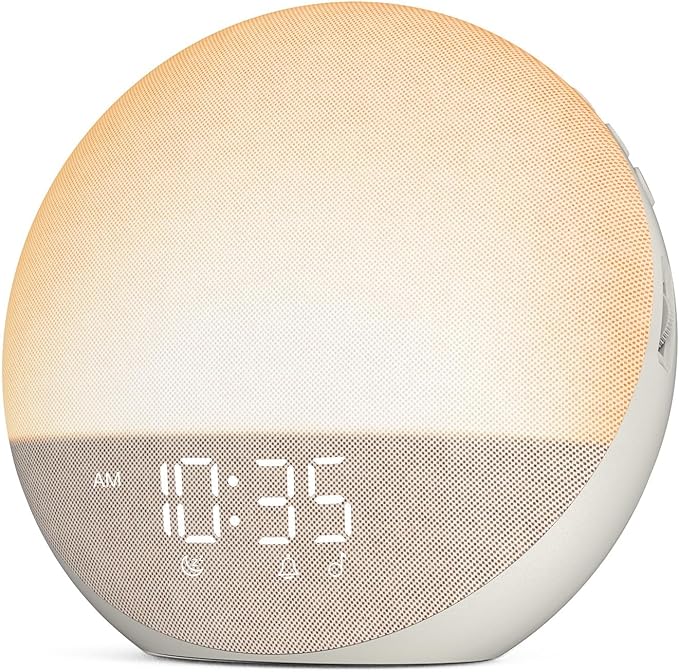
- Consider a white noise machine or a reliable white noise app to drown out unpredictable sounds.
- Position your bed away from high-traffic areas if possible.
These simple measures can transform an unfamiliar space into a haven of calm, thus helping manage anxiety during travel for better sleep.
Temperature and Comfort Adjustments
Temperature plays a critical role in sleep quality. A cool, comfortable room is ideal for promoting deep, restorative sleep. My approach includes the following tips:
- Set the room temperature to around 65–68°F (18–20°C); if a thermostat isn’t available, crack a window for natural cooling.
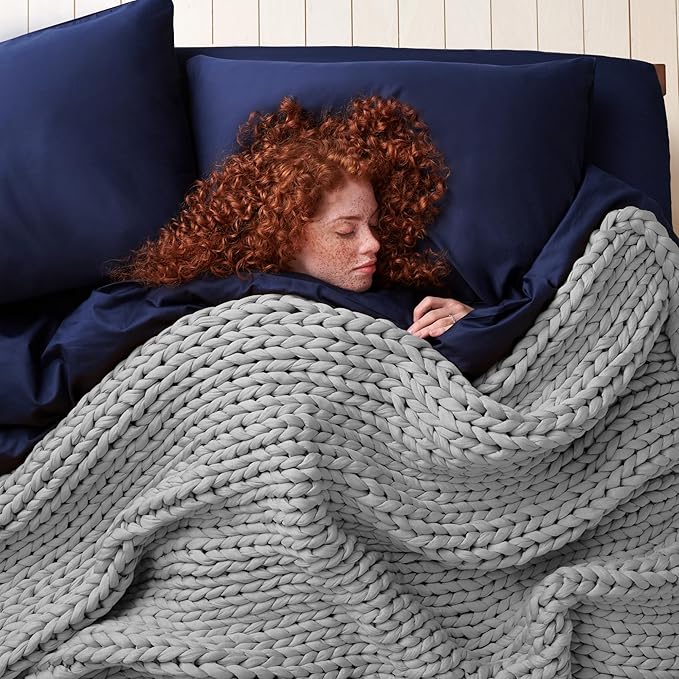
- Bring familiar items such as your own pillow or blanket, which provide sensory cues of home and comfort.
- Ensure bedding is clean and organized — an organized environment calms the mind.
Such environmental control helps your body recognize the new space as safe, directly contributing to managing anxiety during travel for better sleep.
Lifestyle Adjustments to Support Restful Sleep While Traveling
Diet, Hydration, and Sleep Quality
What you eat (and when you eat it) has a profound effect on your sleep. While traveling, keep in mind these guidelines:
- Limit Caffeine: Avoid coffee, tea, or energy drinks at least 6 hours before sleep to prevent stimulatory effects.
- Moderate Alcohol: Although alcohol might initially relax you, it ultimately fragments sleep and can amplify anxiety.
- Eat Light: Keep heavy dinners at bay—opt for light, healthy snacks if hunger strikes close to bedtime. Consider foods rich in magnesium and tryptophan (like bananas, almonds, or yogurt) to encourage relaxation.
Making these adjustments helps minimize disruptions in your body’s natural sleep rhythm, aiding in managing anxiety during travel for better sleep.
Movement and Exposure to Natural Light
Physical activity is a well-documented remedy for anxiety and stress. For those who travel frequently, even light exercise can make a noticeable difference:
- Take brisk walks in the morning once you reach your destination. Natural sunlight not only improves your mood but also helps reset your circadian rhythm.
- Engage in simple stretches or yoga routines at your hotel room before bed.
- Opt for moderate exercise earlier in the day rather than right before bedtime to avoid an energizing effect.
By incorporating such movement into your travel routine, you create opportunities to manage anxiety during travel for better sleep and improve overall well-being.
Maintaining a Consistent Sleep Schedule
Even when traveling, your body craves consistency. This means:
- Attempt to go to bed and wake up at roughly the same times every day.
- If crossing time zones, gradually adjust your bedtime a few days before your journey.
- Use local cues, like meal times and natural light, to help guide your internal clock.
When you maintain consistency, you boost your ability to manage anxiety during travel for better sleep.
Mindfulness, Visualization, and Other Mental Techniques
Practicing Meditation and Mindfulness
Meditation is more than a trendy buzzword; it’s a powerful tool to reset your mind before sleep. I perform guided meditation sessions using apps like Headspace or Calm, which remind me to focus on relaxing visualizations and controlled breathing. Here’s a simple meditation approach:
- Find a quiet place in your room.
- Sit or lie down comfortably and close your eyes.
- Focus on your breath, gently bringing your attention back each time your mind wanders.
- Practice for 5–10 minutes to help lower anxiety and signal that sleep is near.
This meditative practice can serve as an anchor in environments where anxiety might run high, thus enabling you to manage anxiety during travel for better sleep.
Visualization Techniques
Visualization has a direct impact on how relaxed you feel. By imagining serene settings—a quiet beach, a calm forest, or any personal sanctuary—you provide your mind with a safe mental retreat. I often:
- Close my eyes and picture a familiar, comforting environment.
- Focus on sensory details: the sound of gentle waves, the feel of a cool breeze, the smell of salt in the air.
- Dedicate 5 to 10 minutes to bask in this mental escape before bed.
Such strategies are invaluable when trying to manage anxiety during travel for better sleep because they create a mental space where your body feels secure and ready to rest.
Field Notes: 30-Day Personal Experiment on Travel Sleep Quality
Over the past 30 days, I embarked on a personal experiment to explore how small adjustments in my travel routine could lead to significant improvements in my sleep quality. I documented every detail during my trips—both near and far—to gather real-world evidence on managing anxiety during travel for better sleep. Here are some of my key observations:
- Observation 1: On flights and hotel stays, I began using the 4-7-8 breathing technique. I needed about 5 minutes to feel the effect, and I noticed that falling asleep was easier, even in noisy environments.
- Observation 2: Bringing familiar items (