
Best Sunrise Alarm Clocks for Healthy Sleep Habits
Waking up to a sudden loud alarm can be stressful and disruptive, often causing grogginess and a rushed start to the day. Traditional alarms do not align with the body’s natural waking process and can interfere with morning alertness.
Sunrise alarm clocks are designed to simulate a gradual sunrise before wake-up time. By increasing light intensity slowly, they support a more natural transition from sleep to wakefulness and help reinforce consistent sleep–wake routines.
This guide explains how sunrise alarm clocks work, who benefits most, what features matter, and how to choose the right option for healthier sleep habits.
What Are Sunrise Alarm Clocks?
Sunrise alarm clocks are wake-up lights that gradually brighten over a set period before the alarm time, mimicking natural daylight.
They typically:
increase light intensity slowly
support gentle waking
reduce reliance on loud alarm sounds
help regulate circadian rhythm
Many models also include soft sounds or nature tones to complement the light-based wake-up.
Why Sunrise Alarm Clocks Improve Sleep Quality
Light is the body’s primary signal for waking. Sunrise alarm clocks help because they:
reduce abrupt awakenings
support natural cortisol release in the morning
improve wake-up alertness
reduce morning grogginess
encourage consistent sleep schedules
They are especially useful during darker months or in rooms with limited natural light.
Who Sunrise Alarm Clocks Are Best For
Sunrise alarm clocks are particularly helpful for:
people who struggle to wake up in the morning
individuals sensitive to loud alarms
those with irregular sleep schedules
early risers during winter months
anyone building healthier sleep habits
They may be less impactful for people who already wake easily without alarms.
How We Evaluated Sunrise Alarm Clocks
We focused on clocks that:
provide gradual and adjustable light increase
offer consistent light output
allow flexible wake-up timing
avoid harsh or sudden brightness changes
are designed for bedroom use
Light quality and progression mattered more than extra features.
What to Look For in a Sunrise Alarm Clock
1. Light Intensity and Gradual Ramp
Adjustable brightness levels
Smooth transition rather than sudden jumps
2. Customization Options
Control over sunrise duration
Optional sound settings
3. Ease of Use
Simple controls
Clear display without excessive brightness
4. Placement and Size
Suitable for bedside tables
Light directed toward the sleeper
Types of Sunrise Alarm Clocks
1. Basic Sunrise Alarm Clocks
Best for: Simple wake-up routines
Focus on gradual light only
Minimal extra features
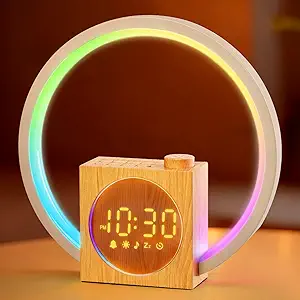
2. Sunrise Clocks with Sound
Best for: Combined light and audio waking
Light paired with gentle tones
Useful for deep sleepers
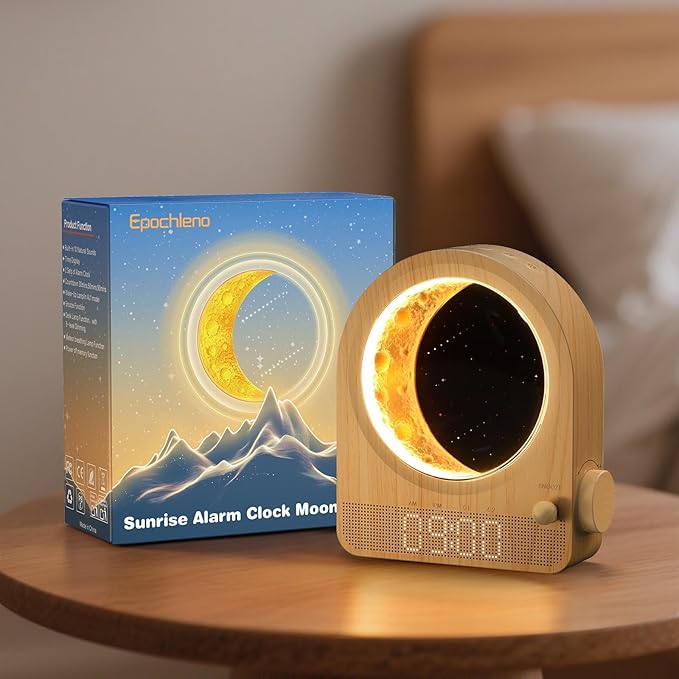
3. Multifunction Wake-Up Lights
Best for: Versatile use
Include bedtime light modes
May support evening routines

Common Mistakes to Avoid
Setting brightness too high
Using abrupt sound alarms alongside light
Placing the clock too far from the bed
Changing wake-up times frequently
Consistency improves effectiveness.
Frequently Asked Questions
Do sunrise alarm clocks really work?
They can improve wake-up comfort and morning alertness.
Are they better than regular alarms?
For many people, yes—especially those sensitive to noise.
Can they help with winter mornings?
Yes, they are particularly helpful when natural light is limited.
Should they be used every day?
Daily use supports consistent sleep–wake routines.
Final Thoughts
Sunrise alarm clocks support healthier sleep habits by aligning the wake-up process with natural light cues. By reducing abrupt awakenings and supporting consistent routines, they help improve how the day begins.
For people seeking a gentler and more natural way to wake up, sunrise alarm clocks are a practical lifestyle upgrade.