
Best Smartwatches for Sleep Tracking (Accuracy, Comfort & Battery Life)
Smartwatches are one of the most common tools people use to track sleep. Unlike basic sleep apps, modern smartwatches combine movement, heart rate, and recovery data to provide a clearer picture of sleep patterns over time.
This guide explains how smartwatches track sleep, what metrics actually matter, and how to choose the best smartwatch for sleep tracking without paying for features you don’t need.
This page is informational and not medical advice. Supplements are not a substitute for professional care.
How Smartwatches Track Sleep
Most smartwatches estimate sleep using:
Movement (actigraphy)
Heart rate
Heart rate variability (on some models)
Breathing rate
Blood oxygen trends (select devices)
They do not directly measure brain waves, but when worn consistently, they are effective for tracking trends and changes over time.
Sleep data is most useful when:
Compared week-to-week
Used to test habit changes
Combined with consistent routines
Who Should Use a Smartwatch for Sleep Tracking
Smartwatches are a good fit for people who:
Already wear a watch daily
Want sleep + daytime activity tracking
Exercise regularly and track recovery
Prefer one device for everything
Like visual dashboards and summaries
They may be less ideal for people who:
Find wrist devices uncomfortable at night
Want minimal interaction
Are sensitive to nighttime notifications
How We Evaluated Smartwatches
We focused on smartwatches that:
Track sleep automatically
Are comfortable enough for overnight wear
Provide clear sleep summaries
Offer reasonable battery life
Are widely supported and updated
Comfort and battery life matter as much as accuracy.
Key Sleep Metrics to Pay Attention To
When reviewing smartwatch sleep data, prioritize:
Total sleep time
Sleep consistency
Nighttime heart rate
HRV trends (if available)
Time awake during the night
Sleep stage breakdowns are useful, but trends matter more than single-night results.
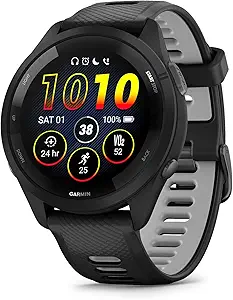
1. Smartwatches With Advanced Sleep & Recovery Metrics
Best for: Data-driven users and athletes
Some smartwatches place a strong emphasis on recovery, combining sleep metrics with HRV and readiness scores.
Why people choose them:
Deeper sleep analysis
Recovery and readiness insights
Strong fitness integration
Considerations:
Higher price
Steeper learning curve
Requires consistent wear
These are ideal for users who adjust training or routines based on sleep data.
2. Smartwatches With Long Battery Life
Best for: Continuous sleep tracking without frequent charging
Battery life directly affects sleep tracking quality. A watch that needs daily charging may miss nights.
What to look for:
At least 4–7 days of battery life
Fast charging options
Battery-saving sleep modes
Longer battery life improves consistency and data reliability.
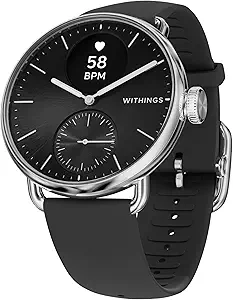
3. Lightweight & Comfortable Smartwatches
Best for: Light sleepers and overnight comfort
Comfort is often overlooked but critical.
Features that improve comfort:
Slim profile
Soft, breathable straps
Lightweight materials
If a watch feels bulky or restrictive, it’s less likely to be worn consistently at night.
4. Budget Smartwatches With Solid Sleep Tracking
Best for: Entry-level sleep tracking
Not everyone needs premium features.
Pros:
Lower cost
Basic sleep insights
Suitable for general awareness
Cons:
Fewer recovery metrics
Less detailed analysis
These are suitable for users who want basic sleep tracking without complexity.
Smartwatches vs Smart Rings for Sleep Tracking
Smartwatches:
More versatile
Better fitness tracking
Larger screens
Smart Rings:
More comfortable at night
Less intrusive
Strong focus on sleep and recovery
If sleep is your main goal, smart rings may be preferable. If you want one device for everything, a smartwatch makes sense.
How to Use a Smartwatch for Better Sleep Insights
For best results:
Enable automatic sleep tracking
Wear the watch consistently
Review trends weekly
Avoid obsessing over nightly scores
Pair data with lifestyle changes
Sleep tracking works best as a long-term feedback tool.
Common Mistakes to Avoid
Sleeping with notifications enabled
Comparing sleep scores across brands
Charging the watch overnight every night
Expecting medical-grade accuracy
Consistency beats precision.
Privacy & Data Considerations
Before choosing a smartwatch, consider:
How sleep data is stored
App permissions
Cloud vs local data processing
Most reputable brands provide privacy controls within their apps.
Frequently Asked Questions
Are smartwatches accurate for sleep tracking?
They are accurate enough for identifying patterns and trends.
Do I need a smartwatch for sleep tracking?
No. They are helpful but not essential.
Can smartwatches detect sleep disorders?
They cannot diagnose conditions but may highlight irregular patterns.
Is it safe to wear a smartwatch all night?
For most people, yes, when worn comfortably and as directed.
Final Thoughts
Smartwatches can be effective sleep tracking tools when chosen thoughtfully. The best option is one that:
Feels comfortable overnight
Has enough battery life for continuous use
Provides clear, trend-based insights
Matches your lifestyle and budget