
Best Smart Rings for Sleep Tracking
Understanding sleep quality requires more than guessing how rested you feel in the morning. Many sleep issues go unnoticed without consistent data, especially when sleep disruptions happen subconsciously throughout the night.
Smart rings for sleep tracking are designed to collect detailed sleep and recovery data in a discreet, wearable form. By tracking sleep stages, movement, heart rate, and recovery signals, they help users identify patterns and make informed adjustments to improve sleep quality over time.
This guide explains how smart rings work, who benefits most, what features matter, and how to evaluate them for long-term sleep optimization.
Best Smart Rings for Sleep Tracking
What Are Smart Rings for Sleep Tracking?
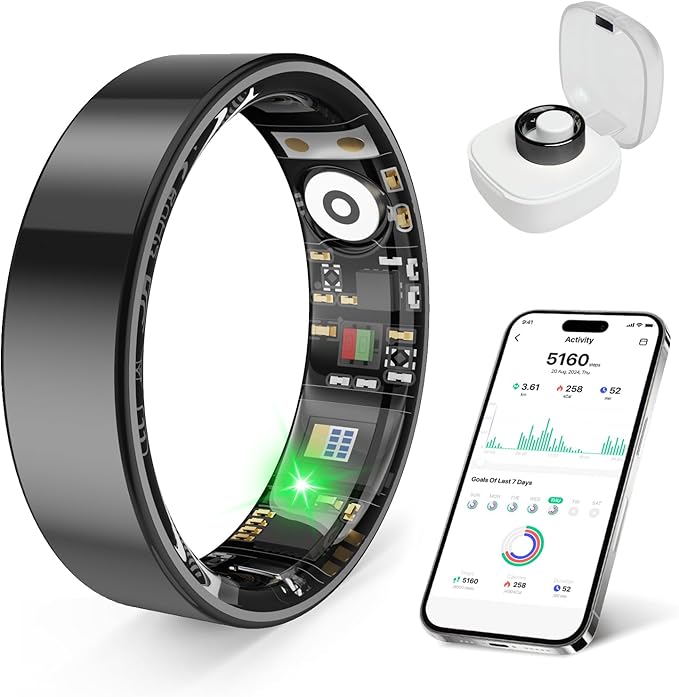
Smart rings are compact wearable devices worn on the finger that monitor sleep and recovery metrics throughout the night.
They typically track:
sleep duration
sleep stages
heart rate and variability
nighttime movement
recovery and readiness indicators
Because they are worn on the finger, smart rings often provide stable biometric readings with minimal disruption to sleep.
Why Smart Rings Can Improve Sleep Quality
Smart rings support sleep optimization by providing objective data rather than relying on subjective feeling. They help by:
identifying sleep duration and consistency
detecting fragmented or restless sleep
tracking recovery and stress indicators
highlighting bedtime and wake-time patterns
enabling data-driven habit adjustments
Consistent tracking allows trends to emerge, which is more valuable than single-night results.
Who Smart Rings Are Best For
Smart rings are especially useful for:
adults focused on sleep optimization
people who dislike bulky wrist wearables
individuals tracking recovery and readiness
users interested in long-term sleep trends
people improving sleep through habit changes
They may be less suitable for those who prefer screens or detailed interaction during sleep.
How We Evaluated Smart Rings for Sleep Tracking
We focused on smart rings that:
provide reliable sleep stage tracking
collect stable biometric data overnight
offer clear sleep insights rather than raw data only
support long-term trend analysis
are comfortable for nightly wear
Accuracy consistency mattered more than the number of metrics displayed.
Key Features to Look For in Smart Rings
1. Sleep Stage Tracking
clear breakdown of light, deep, and REM sleep
consistent nightly reporting
2. Heart Rate & Recovery Metrics
overnight heart rate monitoring
heart rate variability tracking
3. Comfort & Fit
lightweight design
suitable for side sleepers
4. Data Interpretation
insights that explain patterns
actionable recommendations
Smart Rings vs Other Sleep Tracking Devices
Smart Rings
discreet and lightweight
minimal sleep disruption
stable biometric readings
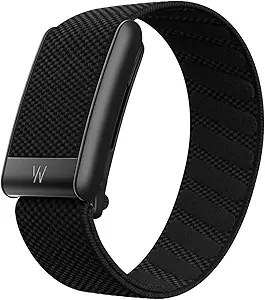
Wrist Wearables
more features but bulkier
may interfere with sleep
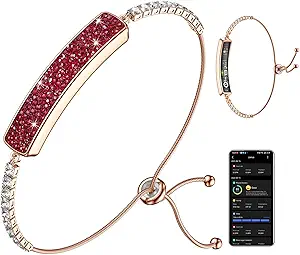
Bed-Based Trackers
passive tracking
limited portability
Smart rings balance accuracy and comfort for consistent nightly tracking.
Common Mistakes to Avoid
relying on single-night data
ignoring long-term trends
changing habits too frequently
obsessing over minor fluctuations
wearing improperly sized rings
Sleep tracking is most effective when used consistently and interpreted over time.
Frequently Asked Questions
Are smart rings accurate for sleep tracking?
They are generally reliable for tracking trends and patterns over time.
Do smart rings track naps?
Some models track extended rest periods depending on settings.
Are smart rings comfortable to sleep with?
Most are designed for 24/7 wear and minimal sleep disruption.
Can smart rings replace sleep studies?
They are not diagnostic tools but are useful for lifestyle optimization.
Final Thoughts
Smart rings for sleep tracking offer a discreet, data-driven way to understand sleep quality and recovery. By providing consistent insights into sleep patterns, they empower users to make informed decisions that support better sleep over time.
For adults focused on optimizing sleep through measurable feedback, smart rings are one of the most practical sleep tracking technologies available.