
Best Sleep Tracking Wearables
Tracking sleep consistently is one of the most effective ways to understand why sleep quality fluctuates over time. While subjective feelings provide clues, wearable sleep trackers offer objective data that reveals patterns often missed during daily routines.
Sleep tracking wearables are designed to monitor sleep stages, movement, heart rate, and recovery metrics throughout the night. When used correctly, they help users identify behaviors that improve or disrupt sleep and support long-term sleep optimization.
This guide explains how sleep tracking wearables work, who benefits most, which features matter, and how to evaluate them for accurate sleep insights.
What Are Sleep Tracking Wearables?
Sleep tracking wearables are devices worn on the body—most commonly on the wrist—that collect sleep and biometric data during rest.
They typically track:
total sleep duration
sleep stages
nighttime movement
heart rate and variability
recovery indicators
Because they are worn throughout the night, wearables can capture continuous sleep data across many nights.
Why Sleep Tracking Wearables Can Improve Sleep Quality
Sleep tracking wearables support better sleep by turning patterns into measurable data. They help by:
identifying irregular sleep schedules
detecting sleep fragmentation
revealing correlations between habits and sleep quality
supporting recovery and readiness tracking
encouraging consistency through feedback
Trends across weeks are more valuable than individual nightly scores.
Who Sleep Tracking Wearables Are Best For
Sleep tracking wearables are especially useful for:
adults improving sleep consistency
individuals tracking exercise recovery
people interested in health and performance data
users who prefer wrist-based devices
those building habit-based sleep routines
They may be less ideal for people sensitive to wearing devices while sleeping.
How We Evaluated Sleep Tracking Wearables
We focused on wearables that:
provide consistent sleep stage tracking
collect stable heart rate data overnight
present sleep insights clearly
support long-term trend analysis
are comfortable for extended wear
Data clarity and comfort mattered more than feature quantity.
Key Features to Look For in Sleep Tracking Wearables
1. Sleep Stage Accuracy
reliable detection of light, deep, and REM sleep
consistent nightly measurements
2. Heart Rate & Recovery Metrics
overnight heart rate monitoring
heart rate variability tracking
3. Comfort & Wearability
lightweight design
minimal sleep disturbance
4. Data Visualization
clear charts and summaries
actionable insights
Types of Sleep Tracking Wearables
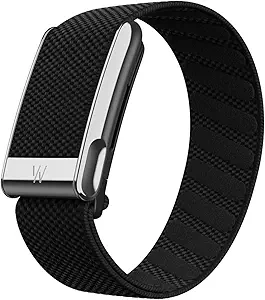
1. Fitness-Oriented Wearables
Best for: Sleep + activity tracking
integrate exercise recovery
daily readiness metrics
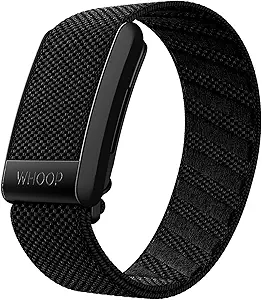
2. Sleep-Focused Wearables
Best for: Nighttime insights
emphasize sleep data
reduced daytime features
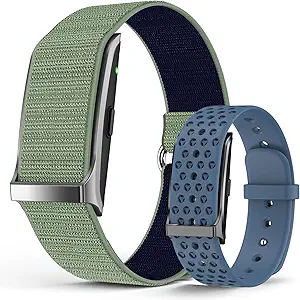
3. Hybrid Health Wearables
Best for: Overall health monitoring
combine sleep, stress, and activity tracking
Common Mistakes to Avoid
obsessing over nightly sleep scores
adjusting routines too frequently
ignoring long-term trends
wearing devices too loosely or tightly
relying solely on sleep metrics
Wearables should guide habits, not create stress.
Frequently Asked Questions
Are sleep tracking wearables accurate?
They are reliable for tracking trends and relative changes over time.
Do they track naps?
Many wearables track longer naps automatically.
Can wearables diagnose sleep disorders?
They are not diagnostic tools but can indicate patterns worth investigating.
Should sleep tracking be used daily?
Daily use improves trend accuracy and insights.
Final Thoughts
Sleep tracking wearables provide valuable insights into sleep quality, consistency, and recovery. By revealing patterns across time, they help users make informed adjustments that support better sleep.
For adults seeking measurable feedback to optimize sleep habits, sleep tracking wearables are a powerful and practical tool.