
Best Sleep Teas for Nighttime Relaxation
Many people struggle to fully unwind in the evening, even when their sleep schedule is consistent. Mental stimulation, stress, and overstimulation late in the day can prevent the body from transitioning smoothly into sleep.
Sleep teas for nighttime relaxation are designed to support the natural wind-down process. By using calming herbs traditionally associated with relaxation, these teas help signal the body that it’s time to slow down and prepare for rest.
This guide explains how sleep teas work, who they’re best for, what ingredients matter, and how to choose the right option for improving sleep quality.
What Are Sleep Teas?
Sleep teas are herbal blends consumed in the evening to promote relaxation and support the body’s natural transition into sleep.
They typically:
do not contain caffeine
use calming plant-based ingredients
support relaxation rather than sedation
fit easily into bedtime routines
Sleep teas work best as part of a consistent nightly wind-down habit.
Why Sleep Teas Can Improve Sleep Quality
Sleep teas support sleep quality by addressing the mental and physiological factors that interfere with relaxation. They help by:
calming the nervous system
reducing mental overstimulation
supporting parasympathetic activation
creating a consistent pre-sleep ritual
signaling the body to slow down
The ritual of preparing and drinking tea can be just as beneficial as the ingredients themselves.
Who Sleep Teas Are Best For
Sleep teas are especially useful for:
people with racing thoughts at night
individuals experiencing stress-related sleep issues
those sensitive to supplements
adults looking for gentle sleep support
people building consistent bedtime routines
They may be less effective for severe insomnia without additional lifestyle support.
How We Evaluated Sleep Teas for Nighttime Relaxation
We focused on teas that:
use traditionally calming herbs
avoid artificial flavors or stimulants
are suitable for nightly use
prioritize ingredient balance
are easy to prepare consistently
Ingredient simplicity and quality mattered more than complex blends.
Common Ingredients in Sleep Teas
1. Chamomile
supports relaxation
traditionally used before bedtime
mild and well-tolerated
2. Valerian Root
associated with calming effects
often used in low doses
best suited for evening use
3. Lemon Balm
supports stress reduction
promotes mental calm
gentle and non-sedating
4. Passionflower
associated with nervous system relaxation
often combined with other calming herbs
Balanced blends are generally more effective than single-herb teas.
Types of Sleep Teas
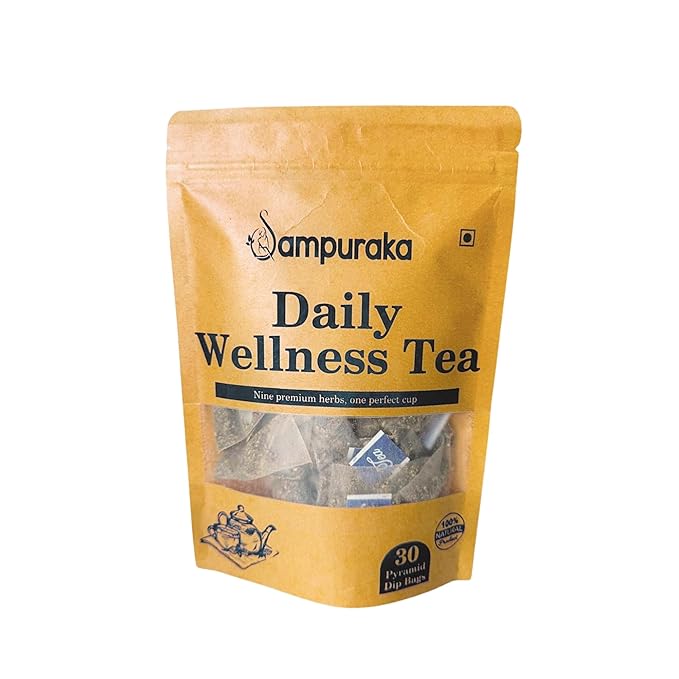
1. Single-Herb Teas
Best for: Targeted relaxation
simple formulations
predictable effects
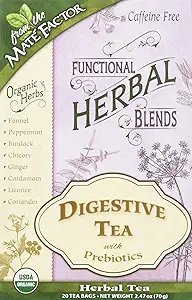
2. Blended Herbal Teas
Best for: Comprehensive relaxation
multiple complementary herbs
broader calming support
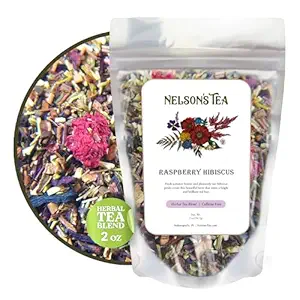
3. Ritual-Based Teas
Best for: Habit formation
paired with nightly routines
emphasize consistency
Common Mistakes to Avoid
drinking tea too close to bedtime
choosing teas with hidden caffeine
expecting immediate sedation
inconsistent usage
using overly strong blends
Timing and routine matter as much as the tea itself.
Frequently Asked Questions
Do sleep teas make you drowsy?
They support relaxation rather than force sleep.
Are sleep teas safe for nightly use?
Most are designed for regular use when caffeine-free.
How long before bed should I drink sleep tea?
Typically 30–60 minutes before bedtime.
Can sleep teas replace supplements?
They can complement or replace supplements for some people.
Final Thoughts
Sleep teas offer a gentle, habit-friendly way to support nighttime relaxation and improve sleep quality. By combining calming ingredients with a consistent ritual, they help prepare the body and mind for rest.
For adults focused on natural sleep optimization, sleep teas are a simple and sustainable option.