
Best Sleep Routine Tools (Lights, Timers & Alarms That Support Better Sleep)
A consistent sleep routine is one of the strongest predictors of good sleep quality. While motivation matters, tools make routines easier to follow—especially in the evening, when willpower is low and habits matter most.
This guide covers sleep routine tools that support healthier sleep timing, reduce nighttime stimulation, and make mornings less disruptive—without relying on supplements or medication.
This page is informational and not medical advice. Supplements are not a substitute for professional care.
Why Sleep Routine Tools Matter
Sleep routines work by sending consistent signals to the brain:
Evening = wind down
Morning = wake gently
Routine tools help by:
Reducing bright light at night
Creating predictable cues
Minimizing abrupt transitions
Supporting circadian rhythm consistency
They don’t “fix” sleep on their own—but they remove friction that often breaks good habits.
Who Benefits Most From Sleep Routine Tools
These tools are especially useful for people who:
Struggle with consistent bedtimes
Use screens in the evening
Feel groggy with loud alarms
Want non-ingestible sleep support
Prefer habit-based solutions
They’re less helpful if sleep issues are primarily medical in nature.
How We Evaluated Sleep Routine Tools
We focused on tools that:
Directly influence light exposure or timing
Are simple to use consistently
Integrate easily into daily routines
Are widely available and reliable
Don’t require complex setup
Simplicity beats sophistication for habit formation.
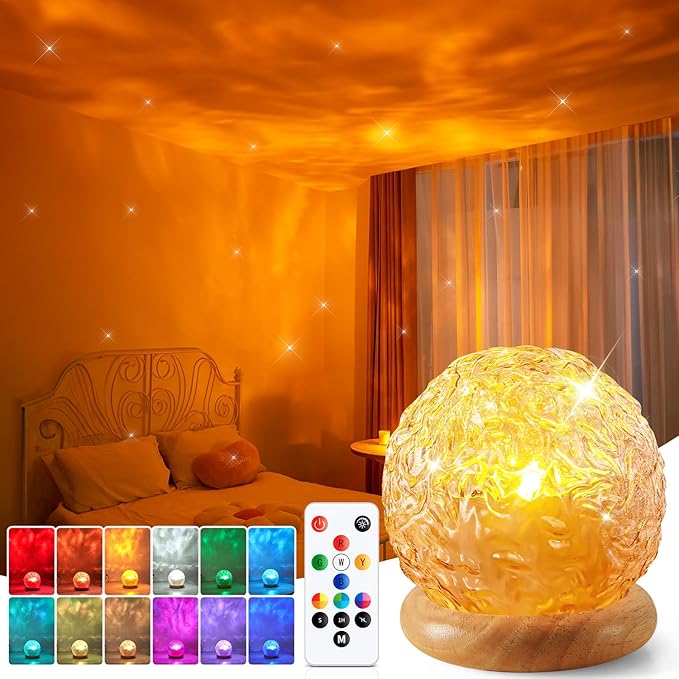
1. Warm Light Lamps & Sunset Lamps
Best for: Evening wind-down and reduced nighttime stimulation
Warm light lamps emit softer, amber-toned light that is less disruptive to melatonin production than bright white or blue light.
Why they help:
Reduce evening light intensity
Signal the body it’s time to relax
Create a calmer bedroom environment
What to look for:
Warm color temperature (under ~3000K)
Dimmable brightness
Simple on/off controls
Sunset lamps that gradually shift color can be especially effective during the last hour before bed.
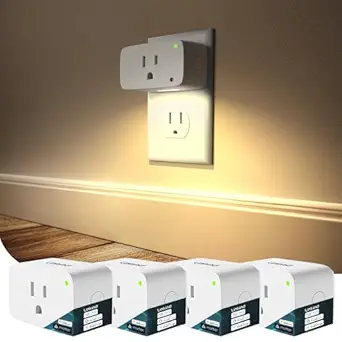
2. Smart Plugs & Light Timers
Best for: Automating bedtime routines
Timers and smart plugs allow lights or devices to turn off automatically at set times.
Benefits:
Remove decision fatigue
Reduce late-night screen exposure
Support consistent sleep schedules
Common uses:
Turning off lamps at bedtime
Dimming lights automatically
Cutting power to TVs or chargers overnight
Automation works best when it’s invisible and reliable.
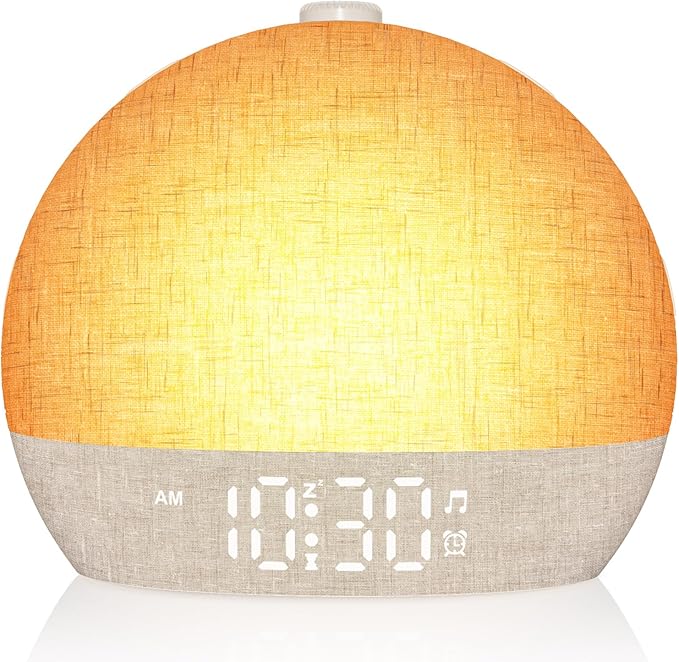
3. Sunrise Alarm Clocks (Wake-Up Lights)
Best for: Gentler mornings and consistent wake times
Sunrise alarms gradually increase light intensity before wake-up time, mimicking natural daylight.
Why people prefer them:
Less jarring than sound-only alarms
Support smoother waking
Helpful during darker months
Features to consider:
Gradual light increase
Adjustable brightness
Optional gentle sound
These alarms support both sleep routines and circadian alignment.
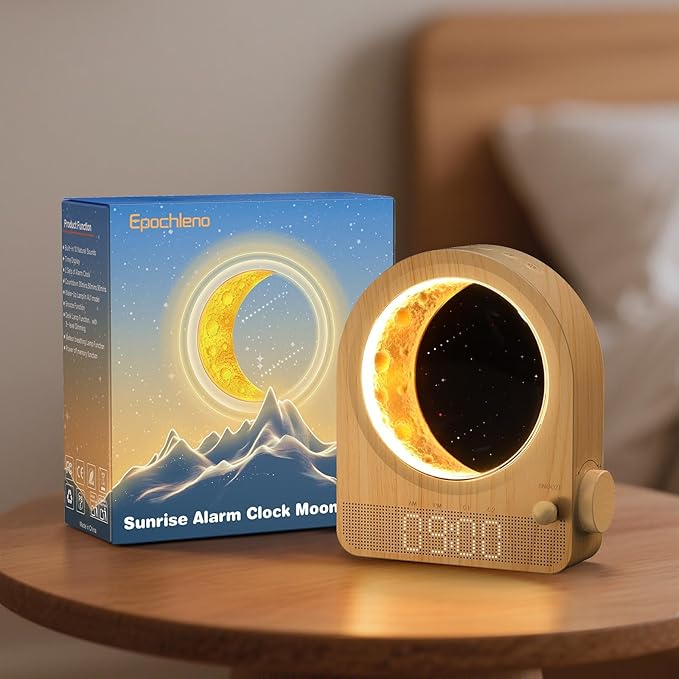
4. Traditional Alarm Clocks (Phone-Free Bedrooms)
Best for: Reducing phone use at night
Using a dedicated alarm clock allows phones to stay out of the bedroom, reducing:
Screen exposure
Notifications
Late-night scrolling
Advantages:
Fewer distractions
More consistent routines
Better sleep hygiene
Simple clocks often work better than feature-heavy ones.
5. Sleep Timers for Devices
Best for: Managing late-night TV or audio
Sleep timers automatically turn off devices after a set period.
Useful for:
TVs in the bedroom
White noise machines
Fans or lamps
They help prevent unintended overnight stimulation.
How to Build an Effective Sleep Routine With Tools
A simple example:
2 hours before bed: Wear blue light blocking glasses
1 hour before bed: Switch to warm lighting
30 minutes before bed: Drink herbal tea
Bedtime: Lights dim automatically
Morning: Wake with a sunrise alarm
Tools work best when layered into a predictable sequence.
Common Mistakes to Avoid
Using bright overhead lights at night
Relying on phone alarms only
Overcomplicating routines
Changing tools too often
Consistency matters more than perfection.
Sleep Routine Tools vs Sleep Supplements
Routine tools:
Shape behavior
Support long-term habits
Have no ingestion-related risks
Supplements:
Address physiological factors
Can be helpful when used appropriately
They often work best together, not separately.
Frequently Asked Questions
Do sleep routine tools really improve sleep?
They can support better sleep timing and consistency, especially when used regularly.
Are smart tools better than basic ones?
Not always. Reliability and simplicity matter more than features.
Can these tools replace supplements?
They may reduce the need for supplements in some cases, but results vary.
How long before results?
Many people notice improvements within 1–2 weeks of consistent use.
Final Thoughts
Sleep routine tools remove friction from healthy habits. The most effective options:
Reduce bright light at night
Automate routine steps
Support gentle mornings
Encourage phone-free bedrooms