
Best Sleep Masks for Side Sleepers
Even small amounts of light during sleep—streetlights, electronics, early sunrise—can disrupt melatonin production and reduce sleep quality. For side sleepers, many standard sleep masks cause pressure, shift during the night, or let light leak in.
Sleep masks designed specifically for side sleepers focus on comfort, full light blockage, and stable fit without eye pressure.
This guide explains how sleep masks help improve sleep, who benefits most, what features matter, and how to choose the right option for side sleeping.
What Are Sleep Masks for Side Sleepers?
Sleep masks for side sleepers are designed to block light while maintaining comfort when the head is pressed against a pillow.
They typically:
Block ambient and direct light
Avoid pressure on the eyes
Stay in place during movement
Use contoured or low-profile designs
Unlike flat masks, side-sleeper designs reduce discomfort and shifting.
Why Sleep Masks Improve Sleep Quality
Light exposure during sleep can:
Suppress melatonin
Increase micro-awakenings
Reduce deep sleep duration
Cause early morning wake-ups
Sleep masks create immediate darkness regardless of room conditions, supporting more stable sleep cycles.
Who Sleep Masks Are Best For
Sleep masks are especially helpful for:
Side sleepers sensitive to light
People sharing bedrooms with different schedules
Travelers and frequent flyers
Renters who can’t install blackout curtains
Anyone needing portable light control
They may be less effective if poorly fitted or low quality.
How We Evaluated Sleep Masks for Side Sleepers
We focused on masks that:
Maintain full light blockage in side-sleeping positions
Avoid direct pressure on the eyes
Stay secure throughout the night
Use breathable, skin-safe materials
Perform consistently over long-term use
Comfort and stability were prioritized over aesthetics.
What to Look For in a Side-Sleeper Sleep Mask
1. Contoured Eye Cups
Prevent pressure on the eyelids
Allow natural eye movement
2. Low-Profile Design
Reduces pillow pressure
Improves comfort for side sleeping
3. Adjustable Strap System
Ensures secure fit without tightness
Prevents slipping during sleep
4. Breathable Materials
Reduce heat buildup
Improve all-night comfort
Types of Sleep Masks
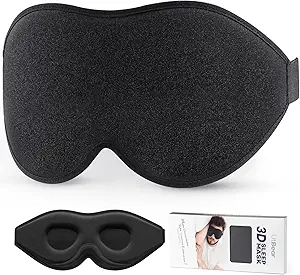
1. Contoured Sleep Masks
Best for: Eye pressure relief
Ideal for side sleepers
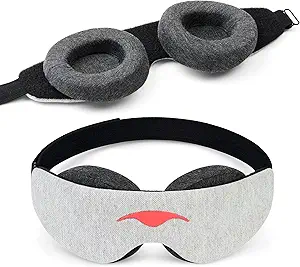
2. Minimalist Low-Profile Masks
Best for: Pillow comfort
Thin, lightweight designs
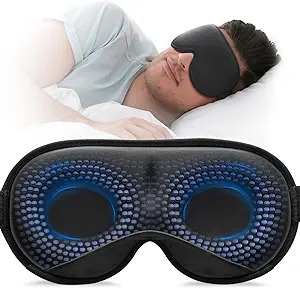
3. Weighted Sleep Masks
Best for: Relaxation and anxiety
Less ideal for strict side sleepers
Common Mistakes to Avoid
Using flat masks that press on the eyes
Choosing masks with rigid edges
Over-tightening straps
Ignoring material breathability
Comfort issues reduce long-term use.
Frequently Asked Questions
Do sleep masks actually improve sleep?
Yes, especially when light exposure is a problem.
Are they safe to use every night?
Yes, when made from breathable, skin-safe materials.
Do they replace blackout curtains?
They can, especially in rentals or travel situations.
Will a sleep mask fall off during the night?
Properly designed side-sleeper masks stay in place.
Final Thoughts
Sleep masks are a simple, portable solution for blocking light and improving sleep quality—especially for side sleepers who struggle with standard designs. When chosen correctly, they support deeper, more consistent sleep without changing the bedroom environment.