
Best Sleep-Friendly Pajamas
What you wear to bed can affect body temperature, comfort, and overall sleep quality. Tight, synthetic, or poorly ventilated sleepwear may trap heat, cause irritation, or restrict movement during the night.
Sleep-friendly pajamas are designed to support comfort and temperature regulation, helping the body stay relaxed throughout the night. Choosing the right fabric and fit can reduce nighttime discomfort and improve sleep continuity.
This guide explains how sleep-friendly pajamas support better sleep, who benefits most, what features matter, and how to choose the right option.
What Are Sleep-Friendly Pajamas?
Sleep-friendly pajamas are nightwear made from breathable, soft materials designed to minimize irritation and overheating during sleep.
They typically:
allow airflow
regulate body temperature
reduce friction against the skin
support natural movement during sleep
Unlike regular loungewear, sleep-focused pajamas prioritize comfort over appearance.
Why Sleep-Friendly Pajamas Improve Sleep Quality
Uncomfortable or restrictive clothing can:
increase tossing and turning
trap heat and moisture
irritate sensitive skin
disrupt deep sleep cycles
Sleep-friendly pajamas help by:
keeping body temperature stable
reducing skin irritation
allowing natural movement
improving overall nighttime comfort
Comfort plays a direct role in sleep depth and continuity.
Who Sleep-Friendly Pajamas Are Best For
These pajamas are especially helpful for:
people who sleep hot or sweat at night
individuals with sensitive skin
restless sleepers who change positions often
those experiencing discomfort from tight clothing
anyone looking to improve sleep comfort naturally
They may be less noticeable for people who already sleep comfortably in minimal clothing.
How We Evaluated Sleep-Friendly Pajamas
We focused on pajamas that:
use breathable, skin-friendly fabrics
avoid tight seams or restrictive cuts
maintain comfort throughout the night
hold up after repeated washing
support a range of sleeping positions
Fabric quality and comfort were prioritized over style.
What to Look For in Sleep-Friendly Pajamas
1. Fabric Type
Natural fibers or breathable blends
Avoid heavy synthetics that trap heat
2. Fit and Cut
Relaxed fit without tight waistbands
Freedom of movement for side and back sleepers
3. Temperature Regulation
Lightweight materials for warm sleepers
Year-round comfort without overheating
4. Skin Comfort
Smooth textures
Minimal tags or rough seams
Types of Sleep-Friendly Pajamas
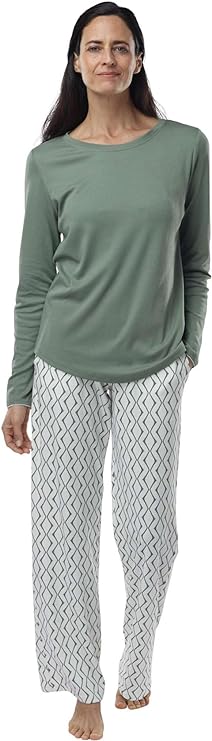
1. Cotton Pajamas
Best for: Balanced comfort
Breathable and soft
Suitable for most sleepers
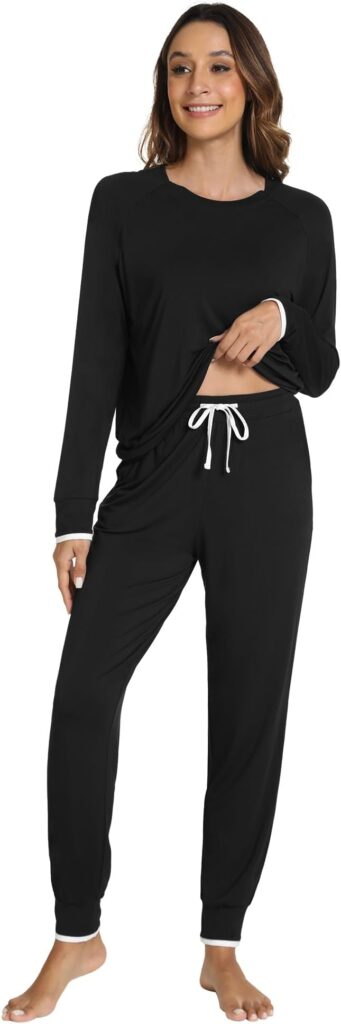
2. Bamboo-Based Pajamas
Best for: Hot sleepers
Moisture-wicking
Naturally breathable
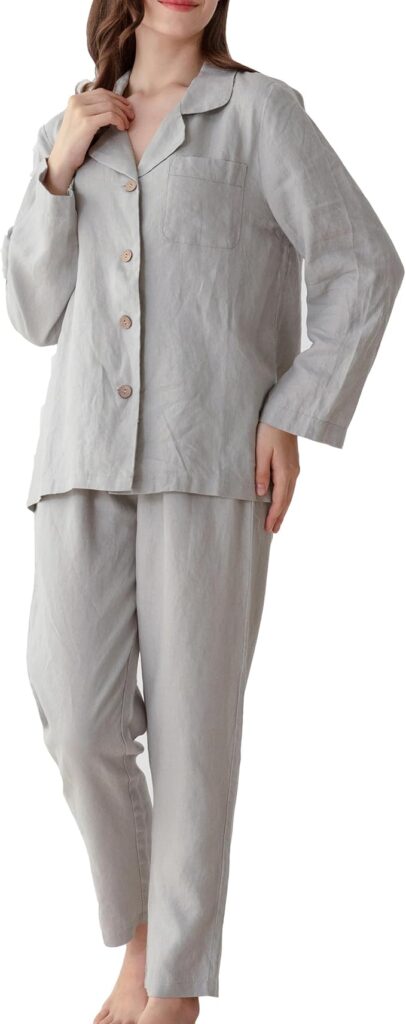
3. Linen Sleepwear
Best for: Maximum airflow
Ideal for warm climates
Lightweight and cooling
Common Mistakes to Avoid
Wearing tight or compressive sleepwear
Choosing synthetic fabrics with low breathability
Ignoring seam placement and tags
Wearing the same pajamas despite discomfort
Sleepwear should feel unnoticeable during sleep.
Frequently Asked Questions
Do pajamas really affect sleep quality?
Yes, discomfort and overheating can disrupt sleep.
Is it better to sleep without pajamas?
It depends on personal comfort and temperature preference.
Are bamboo pajamas better than cotton?
They can be more cooling for hot sleepers.
How often should sleep pajamas be replaced?
When fabric loses softness or breathability.
Final Thoughts
Sleep-friendly pajamas support better sleep by improving comfort, temperature control, and freedom of movement. Choosing breathable fabrics and a relaxed fit can reduce nighttime disruptions and support deeper rest.
For people experiencing discomfort from standard sleepwear, upgrading pajamas is a simple way to improve sleep quality.