
Best Non-Wearable Sleep Trackers (Under-Mattress & Bedside Options)
Not everyone wants to wear a ring or watch to track sleep. Non-wearable sleep trackers are designed to monitor sleep without attaching anything to the body, using sensors placed under the mattress or on a bedside table.
This guide explains how non-wearable sleep trackers work, who they’re best for, and how to choose an option that provides useful insights without adding discomfort or complexity.
This page is informational and not medical advice. Supplements are not a substitute for professional care.
How Non-Wearable Sleep Trackers Work
Non-wearable sleep trackers typically use one or more of the following technologies:
Ballistocardiography (BCG): detects micro-movements caused by breathing and heartbeat
Motion sensors: track movement and restlessness
Sound analysis: detects snoring or breathing patterns (some models)
Environmental sensors: measure room temperature or noise (select devices)
Because they don’t rely on direct skin contact, they estimate sleep patterns based on movement and physiological signals transmitted through the mattress or air.
They are best used for trend tracking, not precise medical analysis.
Who Should Use a Non-Wearable Sleep Tracker
These devices are well suited for people who:
Dislike wearing rings or watches at night
Remove wearables during sleep
Want passive, automatic tracking
Share a bed and want to monitor snoring
Prefer minimal interaction with technology
They may be less suitable if:
You change sleeping locations often
You want highly personalized metrics
You need individual tracking in a shared bed (unless supported)
How We Evaluated Non-Wearable Sleep Trackers
We focused on trackers that:
Require no wearable components
Track sleep automatically
Provide clear summaries and trends
Are easy to set up and maintain
Are widely available and supported
Simplicity and reliability matter more than advanced features.
Types of Non-Wearable Sleep Trackers
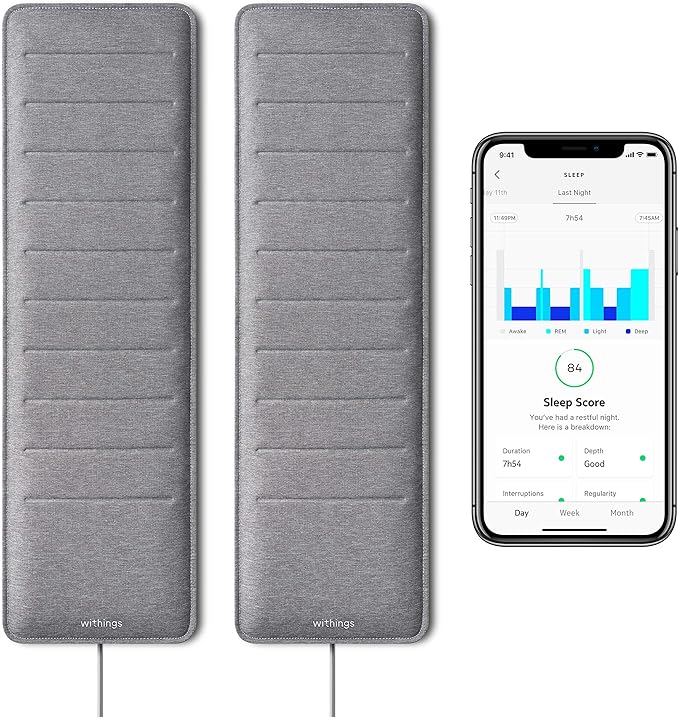
1. Under-Mattress Sleep Trackers
Best for: Passive, continuous sleep tracking
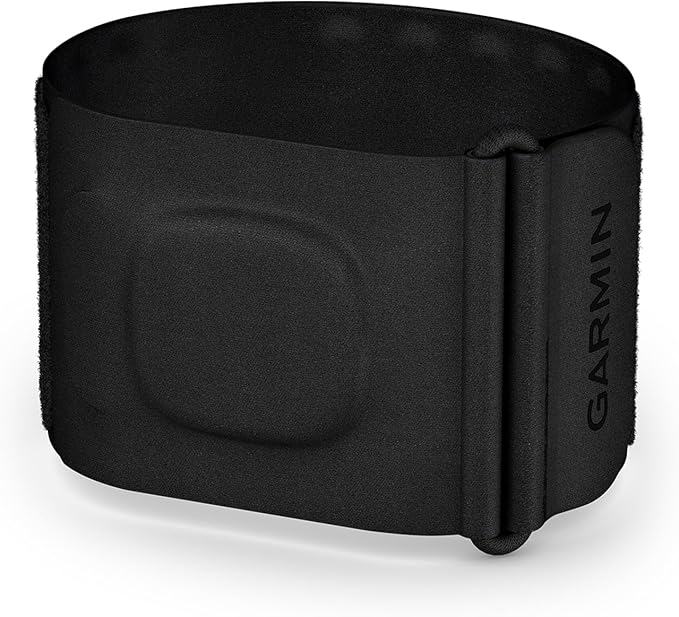
Under-mattress trackers are placed beneath the mattress, usually near the chest area.
Why people choose them:
Completely invisible during sleep
No charging or wearing required
Continuous data collection
Considerations:
Mattress thickness can affect sensitivity
Setup position matters
Some models struggle with shared beds
These are ideal for people who want set-and-forget sleep tracking.
2. Bedside Sleep Trackers
Best for: Users who want additional environmental data
Bedside trackers sit on a nightstand and track sleep using motion, sound, and sometimes radar-based sensing.
Advantages:
Easy setup
No mattress placement needed
Can track snoring and room conditions
Limitations:
May be affected by bed partners
Less precise for individual metrics
They work best in single-sleeper environments.
3. Smart Mattress Sensors
Best for: Integrated sleep monitoring
Some mattresses or mattress toppers include built-in sleep tracking sensors.
Pros:
Seamless integration
No additional devices
Cons:
Higher cost
Limited portability
Tied to specific mattress brands
These are niche options rather than general solutions.
What Sleep Data Non-Wearable Trackers Provide
Most non-wearable trackers estimate:
Sleep duration
Sleep interruptions
Breathing rate trends
Heart rate trends (some models)
Snoring patterns (select devices)
They are best for identifying patterns over time, such as:
Consistent wake-ups
Restless nights
Sleep timing changes
Accuracy: What to Expect (Realistic View)
Non-wearable sleep trackers:
Are less precise than wearables for individual metrics
Are effective for long-term trends
Perform best when used consistently in the same setup
They should not be compared directly with clinical sleep studies.
Non-Wearable Trackers vs Wearables
Non-Wearable Trackers:
No discomfort
No charging routines
Minimal interaction
Less personalized
Wearables (Rings/Watches):
More individual data
Better HRV accuracy
Require nightly wear
If comfort and simplicity matter most, non-wearable trackers are often the better choice.
Common Mistakes to Avoid
Moving the device frequently
Expecting perfect sleep stage accuracy
Using in shared beds without proper settings
Ignoring setup instructions
Consistency is key to useful data.
How to Use a Non-Wearable Sleep Tracker Effectively
For best results:
Place the device exactly as instructed
Keep the setup consistent
Review trends weekly, not nightly
Pair data with routine adjustments
The value comes from pattern recognition, not daily scores.
Privacy & Data Considerations
Before choosing a device, review:
Data storage policies
App permissions
Cloud vs local processing
Most reputable devices provide user-controlled privacy settings.
Frequently Asked Questions
Are non-wearable sleep trackers accurate?
They are accurate enough for identifying trends and changes over time.
Can they track sleep for two people?
Some models support dual sleepers; others do not. Check specifications carefully.
Do they work with all mattresses?
Most work with standard mattresses, but thickness and material can affect sensitivity.
Are they worth it?
They are valuable for people who won’t wear sleep trackers consistently.
Final Thoughts
Non-wearable sleep trackers offer a comfortable, low-effort way to monitor sleep patterns. The best option is one that:
Fits your sleeping setup
Requires minimal interaction
Provides clear, trend-based insights
Encourages consistency