
Best Non-Habit Forming Sleep Aids
Many people are hesitant to use sleep aids because of concerns about dependency, tolerance, or next-day grogginess. While some products force sleep through sedation, others are designed to support sleep naturally without altering the body’s ability to sleep on its own.
Non-habit forming sleep aids focus on relaxation, circadian support, and nervous system balance rather than suppression or stimulation. When used appropriately, they can help improve sleep quality while preserving long-term sleep health.
This guide explains what non-habit forming sleep aids are, who they are best for, how they work, and how to evaluate them for safe, sustainable sleep support.
What Are Non-Habit Forming Sleep Aids?
Non-habit forming sleep aids are products that support sleep without creating physical or psychological dependence.
They typically:
support natural sleep mechanisms
avoid strong sedatives
do not require escalating doses
allow normal sleep patterns to return
They differ from prescription sleep medications by working with the body rather than overriding it.
Why Non-Habit Forming Sleep Aids Can Improve Sleep Quality
Sleep aids that avoid dependency support better long-term outcomes. They help by:
calming the nervous system
supporting natural melatonin signaling
reducing stress-related sleep disruption
improving sleep onset and consistency
minimizing rebound insomnia
They are especially valuable for people seeking sustainable sleep solutions.
Who Non-Habit Forming Sleep Aids Are Best For
These sleep aids are especially useful for:
adults avoiding prescription sleep medications
people concerned about dependency
individuals with mild to moderate sleep issues
those focusing on long-term sleep health
people building consistent sleep routines
They may be less effective for severe insomnia without medical guidance.
How We Evaluated Non-Habit Forming Sleep Aids
We focused on sleep aids that:
do not alter sleep architecture aggressively
use well-tolerated ingredients
support natural sleep timing
avoid rapid tolerance buildup
are suitable for regular use
Safety and sustainability were prioritized over immediate sedation.
Common Types of Non-Habit Forming Sleep Aids
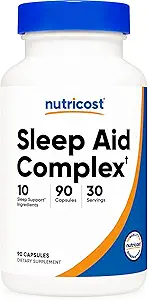
1. Circadian Support Aids
help regulate sleep timing
support melatonin rhythms
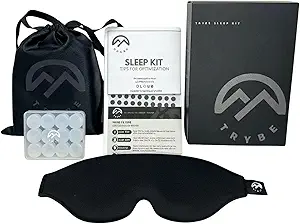
2. Relaxation-Based Aids
calm the nervous system
reduce mental overstimulation
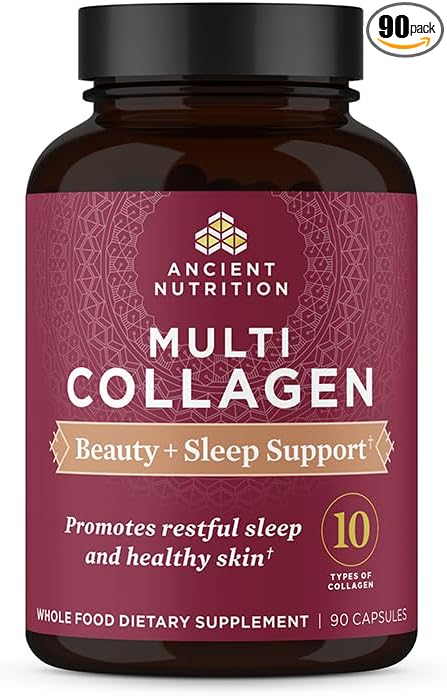
3. Nutritional Sleep Supports
address deficiencies affecting sleep
support recovery and relaxation
These aids work best when combined with consistent sleep habits.
Common Mistakes to Avoid
expecting instant or forced sleep
combining multiple sleep aids unnecessarily
increasing dosage too quickly
using sleep aids without routine consistency
ignoring environmental sleep factors
Non-habit forming aids support gradual improvement.
Frequently Asked Questions
Are non-habit forming sleep aids effective?
They can be effective for improving sleep quality when used consistently.
Do they cause tolerance over time?
Most are designed to avoid tolerance and dependency.
Can they be used nightly?
Many are suitable for regular use when properly formulated.
Do they replace good sleep habits?
No. They support habits rather than replace them.
Final Thoughts
Non-habit forming sleep aids provide a balanced approach to improving sleep without compromising long-term sleep health. By supporting natural sleep processes, they help improve consistency and quality without reliance.
For adults prioritizing safety and sustainability, non-habit forming sleep aids are an important category within sleep optimization.