
Best Nighttime Teas & Herbal Sleep Drinks (Calming, Non-Drug Options)
For many people, the hardest part of sleep isn’t falling asleep—it’s winding down. Nighttime teas and herbal sleep drinks are commonly used to support relaxation before bed, helping signal to the body that it’s time to rest.
These drinks don’t sedate or force sleep. Instead, they work by supporting calmness, reducing mental stimulation, and reinforcing a consistent bedtime routine.
This page is informational and not medical advice. Supplements are not a substitute for professional care.
Why Nighttime Teas Can Support Better Sleep
The effectiveness of nighttime teas comes from two mechanisms:
Herbal compounds traditionally used for relaxation
Behavioral cues — the act of preparing and drinking tea slows the nervous system
Together, these can help:
Reduce pre-bed stress
Support smoother sleep onset
Improve perceived sleep quality
They are especially useful for people who prefer non-pill, non-supplement options.
Who Nighttime Sleep Teas Are Best For
Nighttime teas are often chosen by people who:
Feel mentally overstimulated in the evening
Want a gentle, non-habit-forming option
Prefer natural routines over supplements
Wake up easily but fall asleep fine
Want to replace late-night snacking or screens
They are less suitable if you wake frequently to use the bathroom or are sensitive to liquids before bed.
How We Evaluated Nighttime Teas & Sleep Drinks
We focused on products that:
Use clearly listed herbal ingredients
Avoid excessive caffeine or stimulants
Are designed specifically for evening use
Are easy to prepare consistently
Come from reputable brands
Transparency and ingredient simplicity matter more than novelty.
Common Herbs Used in Nighttime Teas (What Actually Helps)
Chamomile
Best for: General relaxation and mild sleep support
Chamomile is one of the most commonly used herbs for evening calm.
Mild, widely tolerated
Suitable for nightly use
Gentle effect, best for mild sleep issues
Valerian Root (Low-Dose Blends)
Best for: Difficulty falling asleep
Valerian has a stronger profile than most herbs and is often used in small amounts.
May support sleep onset
Earthy taste (often blended with other herbs)
Effects vary significantly between individuals
Lemon Balm
Best for: Stress-related sleep disruption
Lemon balm is associated with calmness and emotional balance.
Often used for anxiety-related restlessness
Pairs well with chamomile
Gentle and well-tolerated
Passionflower
Best for: Nighttime tension and racing thoughts
Passionflower is traditionally used for relaxation.
Often included in sleep blends
Subtle but supportive
Suitable for occasional use
Lavender (Aromatic & Ingested)
Best for: Relaxation and sleep rituals
Lavender is commonly used in both teas and aromatherapy.
Calming scent and flavor
Often blended with chamomile
Supports bedtime routines
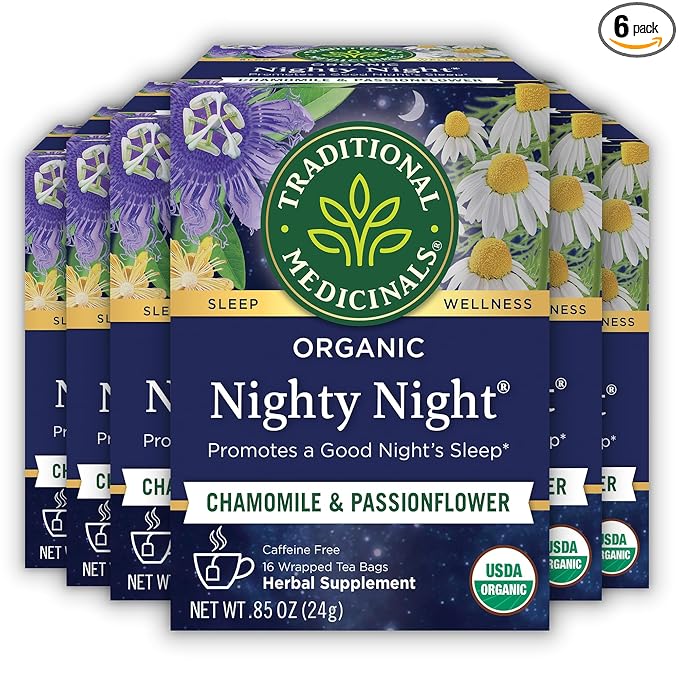
1. Classic Herbal Sleep Teas
Best for: Simple, gentle nightly use
These blends usually contain chamomile, lemon balm, or lavender.
Why people choose them:
Mild and non-sedating
Suitable for regular use
Easy to integrate into routines
These are ideal for people with mild sleep challenges.
2. Stronger Herbal Blends (Valerian-Based)
Best for: Trouble falling asleep
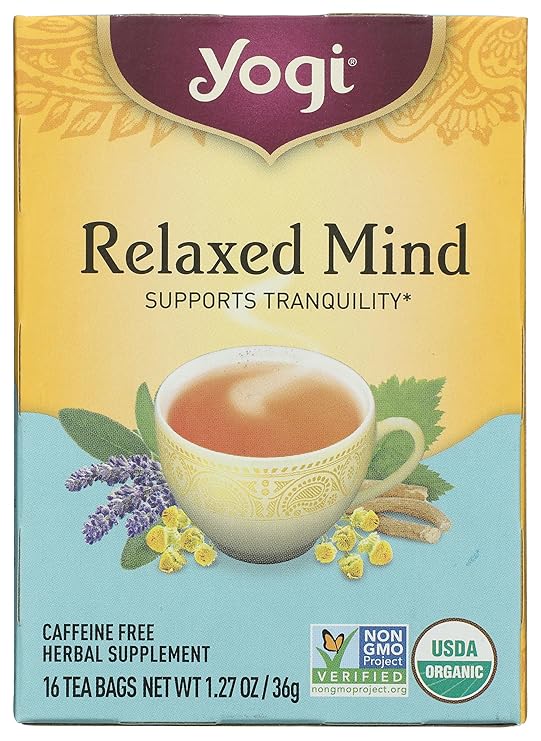
Some nighttime teas include valerian in low doses for stronger relaxation support.
Considerations:
Stronger taste
Not ideal for everyone
Best used occasionally
Start with lower-strength blends first.
3. Functional Sleep Drinks (Powdered or Ready-to-Drink)
Best for: Convenience and consistency
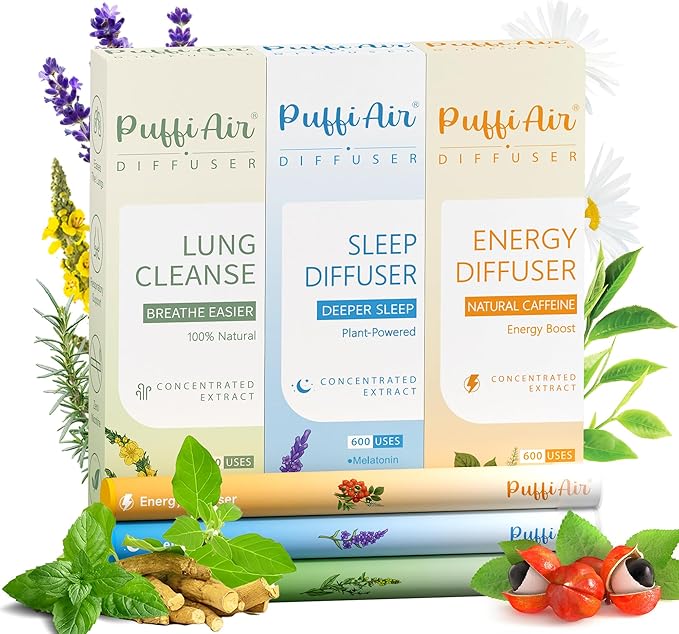
Some sleep drinks combine herbs with magnesium, glycine, or amino acids.
Advantages:
Measured dosing
Faster preparation
Often caffeine-free
Watch for:
Added sugars
Proprietary blends without clear dosing
These are suitable for people who prefer structured routines.
Tea Bags vs Loose Leaf vs Powdered Drinks
Tea Bags
Convenient
Consistent
Widely available
Loose Leaf
Higher ingredient quality
More preparation
Better aroma and flavor
Powdered Drinks
Fast preparation
Often stronger formulations
Less ritual-focused
Choose based on consistency and preference.
How to Use Nighttime Teas Effectively
For best results:
Drink tea 30–60 minutes before bed
Avoid screens while drinking
Keep lighting dim
Use the same routine nightly
The routine matters as much as the ingredients.
Common Mistakes to Avoid
Drinking tea too close to bedtime
Using daytime teas with caffeine
Expecting immediate results
Combining multiple strong herbal products
Gentle consistency works better than intensity.
Frequently Asked Questions
Do nighttime teas really help sleep?
They can support relaxation and sleep onset, especially when used consistently.
Can I drink sleep tea every night?
Many mild herbal teas are suitable for nightly use. Stronger blends may be better used occasionally.
Are herbal teas safe?
Most are safe when used as directed. Check labels and avoid combining multiple strong herbs.
Can nighttime teas replace supplements?
They can be an alternative for mild sleep issues, but results vary.
Final Thoughts
Nighttime teas and herbal sleep drinks are a low-risk, habit-friendly way to support better sleep. The most effective options:
Use simple, transparent ingredients
Are caffeine-free
Fit comfortably into a nightly routine