
Best Natural Sleep Aids (Non-Drug Options That Support Better Sleep)
Many people want better sleep but prefer to avoid prescription sleep medications or strong sedatives. In those cases, natural sleep aids are often explored as a first step. These products don’t “knock you out.” Instead, they support relaxation, reduce nighttime overstimulation, and help the body transition into sleep more smoothly.
This guide covers natural sleep aids commonly used to support sleep quality, how they work, and how to choose options that are appropriate for long-term use.
This page is informational and not medical advice. Supplements are not a substitute for professional care.
What Counts as a “Natural” Sleep Aid?
Natural sleep aids generally fall into one of these categories:
Minerals and amino acids that support nervous system calm
Plant-based extracts traditionally used for relaxation
Non-drug supplements that support sleep timing or stress regulation
Sensory tools (aroma, teas) that promote nighttime relaxation
They do not act like sleeping pills. Their role is to support the body’s own sleep mechanisms.
Who Natural Sleep Aids Are Best For
Natural sleep aids are often used by people who:
Have trouble winding down at night
Experience stress-related sleep disruption
Wake up frequently but fall asleep easily
Want a non-habit-forming option
Prefer lifestyle-based sleep solutions
They may be less effective for severe or medical sleep disorders, which require professional evaluation.
How We Evaluated Natural Sleep Aids
To keep this guide practical and trustworthy, we focused on options that:
Are commonly used and researched
Have clear mechanisms of action
Are appropriate for repeated use when taken as directed
Are widely available from reputable brands
Do not rely on heavy sedation
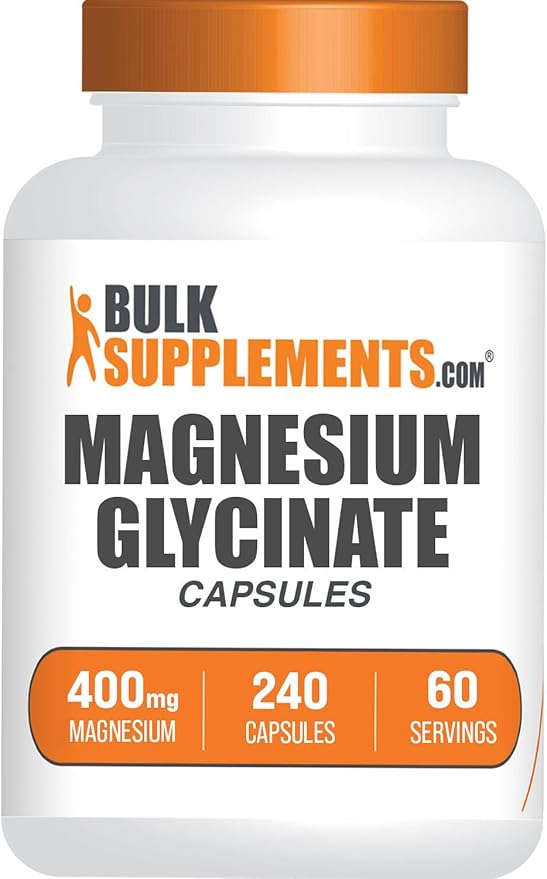
1. Magnesium (One of the Most Widely Used Natural Sleep Aids)
Best for: Relaxation, muscle tension, nervous system support
Magnesium is involved in hundreds of biological processes, including those that regulate muscle relaxation and nervous system activity. Low magnesium levels are commonly associated with restlessness and poor sleep quality.
Why magnesium may support sleep:
Helps regulate calming neurotransmitters
Supports muscle relaxation
May reduce nighttime restlessness
Forms commonly used for sleep:
Magnesium glycinate
Magnesium citrate (lower doses)
Magnesium threonate
Magnesium is often used nightly and is commonly combined with other natural sleep aids.
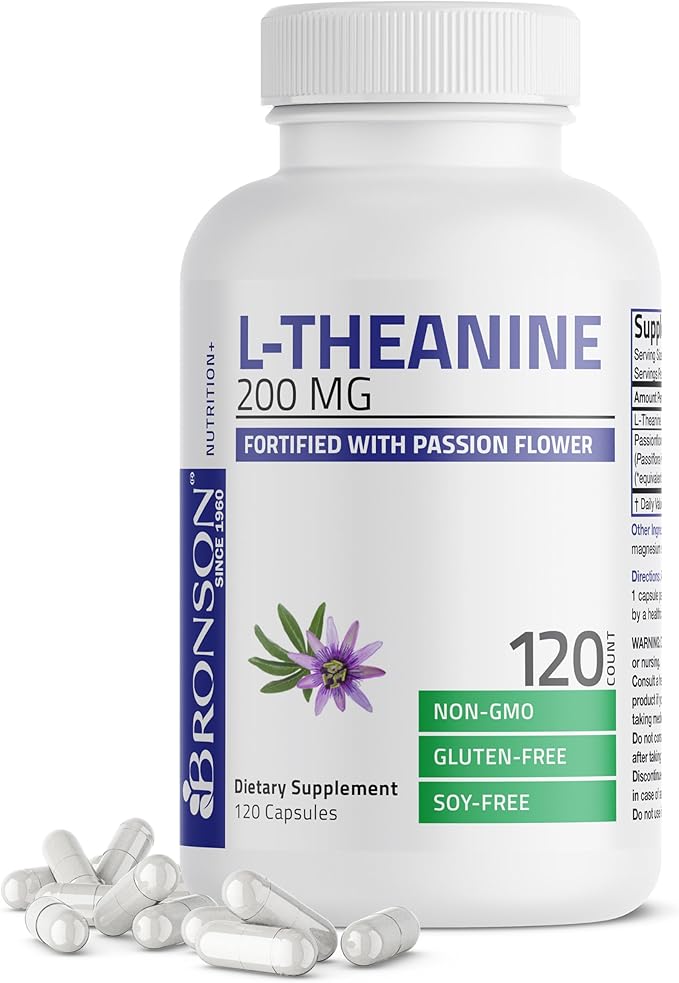
2. L-Theanine (For a Calm, Quiet Mind)
Best for: Racing thoughts, stress before bed
L-Theanine is an amino acid found naturally in green tea. Unlike stimulants or sedatives, it promotes a calm mental state without causing drowsiness.
Why people use L-Theanine:
Encourages relaxation without sedation
May reduce stress-related sleep disruption
Often well-tolerated
It is especially useful for people who feel physically tired but mentally alert at night.
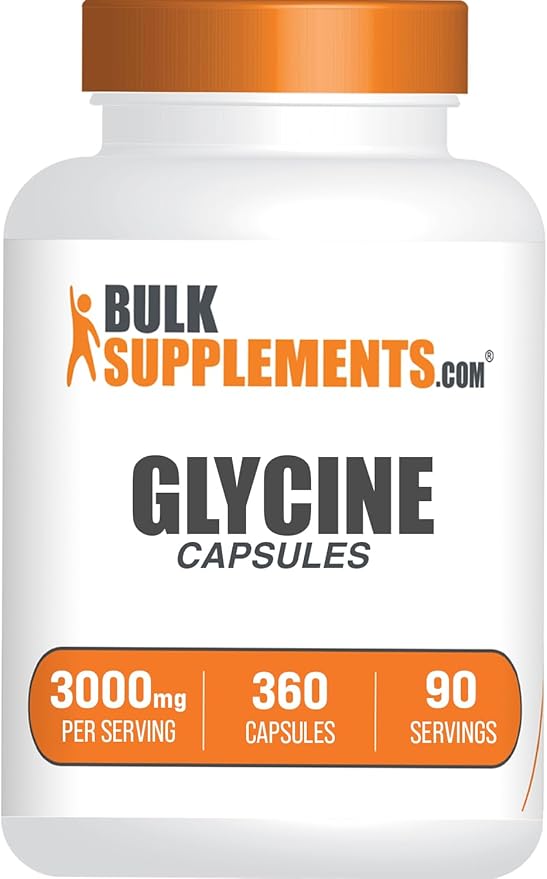
3. Glycine (For Sleep Quality & Morning Alertness)
Best for: Unrefreshing sleep, inconsistent sleep depth
Glycine is an amino acid involved in temperature regulation and nervous system balance. Some research suggests it may support deeper sleep stages and improve how rested people feel in the morning.
Why glycine is used:
May help lower core body temperature
Supports stable sleep cycles
Often used before bedtime
Glycine is usually taken alone or combined with magnesium.
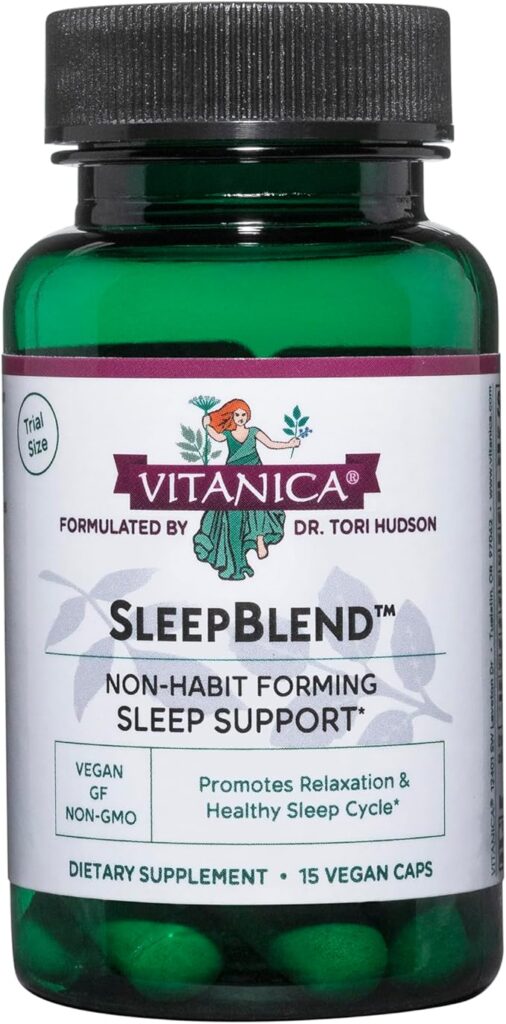
4. Herbal Sleep Aids (Valerian, Lemon Balm, Passionflower)
Best for: Mild sleep disruption and nighttime relaxation
Certain herbs have a long history of use for relaxation and sleep support.
Common herbal options:
Valerian root – traditionally used for sleep onset
Lemon balm – often used for calmness and stress
Passionflower – associated with relaxation and rest
Important notes:
Effects vary between individuals
Start with low doses
Avoid mixing multiple strong herbal extracts at once
Herbal sleep aids are often available as capsules, tinctures, or teas.
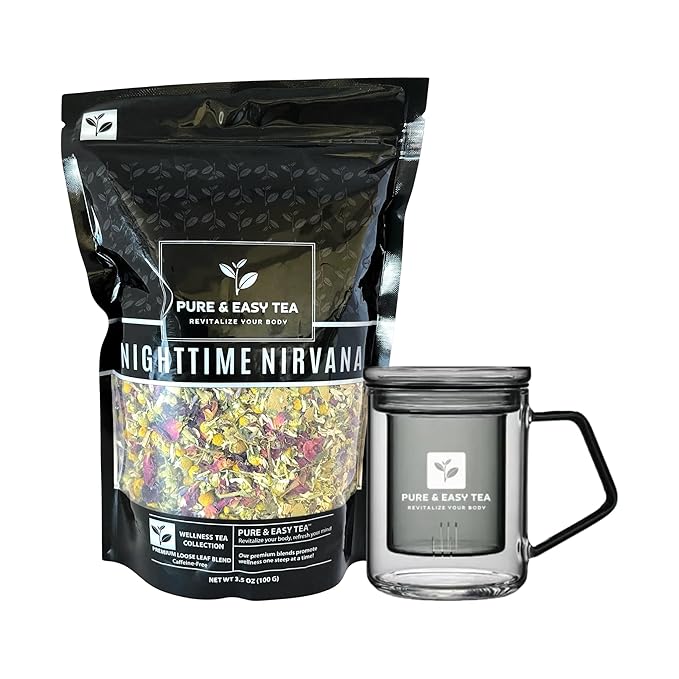
5. Natural Sleep Teas & Nighttime Blends
Best for: Gentle relaxation and bedtime routines
Herbal sleep teas are among the most accessible natural sleep aids. While their effects are subtle, they can be effective as part of a consistent nighttime routine.
Common ingredients:
Chamomile
Lemon balm
Lavender
Valerian (low dose)
The ritual of preparing and drinking tea can itself support relaxation.
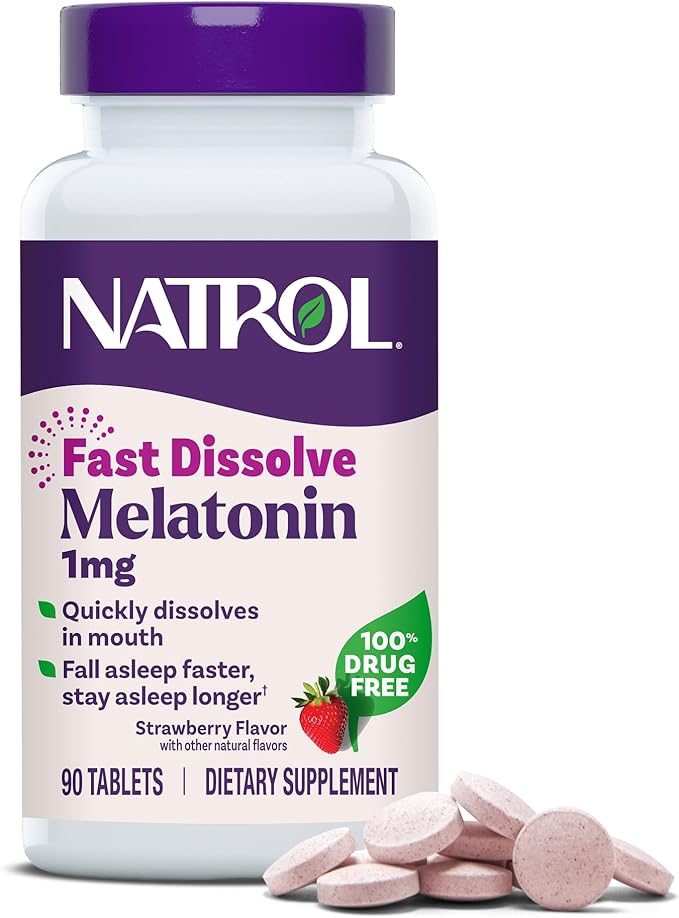
6. Low-Dose Melatonin (Selective, Occasional Use)
Best for: Sleep timing issues, jet lag, schedule disruption
Melatonin is a hormone that helps regulate circadian rhythm. At low doses, it may support sleep timing without strong sedative effects.
Key considerations:
Lower doses (0.3–1 mg) are often sufficient
Not ideal for nightly long-term use for everyone
Best for circadian rhythm alignment, not stress-based insomnia
Melatonin is natural, but it should still be used thoughtfully.
Natural Sleep Aids That Often Disappoint
Some products are heavily marketed but provide limited benefit for most people:
High-dose melatonin blends
Products with vague proprietary formulas
Strong sedative herb combinations without transparency
Natural sleep support works best when matched to the underlying issue.
How to Choose the Right Natural Sleep Aid for You
Start by identifying your main sleep challenge:
Stress or racing thoughts: L-Theanine, lemon balm
Muscle tension or restlessness: Magnesium
Poor sleep quality: Glycine, magnesium
Sleep schedule disruption: Low-dose melatonin
Mild sleep issues: Herbal teas
Introduce one product at a time and assess results over several nights.
Safety & Usage Notes
Follow label instructions
Avoid combining multiple sedative products
Allow time for adjustment
Consult a professional if you take medication or have a health condition
Natural does not always mean risk-free. Moderation matters.
Frequently Asked Questions
Are natural sleep aids safe for long-term use?
Some, like magnesium and L-Theanine, are commonly used long-term when taken as directed. Others are better used occasionally.
How fast do natural sleep aids work?
Some people notice effects within days. Others need 1–2 weeks of consistent use.
Can I combine natural sleep aids?
Yes, but start conservatively. Magnesium + L-Theanine is a common combination.
Do natural sleep aids work for insomnia?
They may help mild or stress-related sleep issues. Chronic insomnia requires professional assessment.
Final Thoughts
Natural sleep aids can be effective tools for supporting better sleep when used appropriately. The key is choosing products that:
Match your specific sleep challenge
Are taken consistently
Are part of a broader sleep routine