
Best Melatonin Supplements for Sleep
Difficulty falling asleep on time is often linked to circadian rhythm disruption rather than lack of sleep drive. Irregular schedules, late-night light exposure, travel, or shift work can interfere with the body’s natural melatonin release.
Melatonin supplements are designed to support sleep timing by reinforcing the body’s internal clock. When used correctly, they can help regulate bedtime, reduce sleep onset delay, and improve sleep consistency without acting as sedatives.
This guide explains how melatonin supplements work, who benefits most, what dosage and forms matter, and how to choose the right option for sleep optimization.
What Are Melatonin Supplements?
Melatonin supplements provide synthetic or bioidentical melatonin, a hormone naturally produced by the pineal gland to signal nighttime to the body.
They are commonly used to:
support circadian rhythm alignment
reduce time to fall asleep
improve sleep timing consistency
help adjust sleep schedules
Melatonin does not induce sleep directly; it signals when sleep should occur.
Why Melatonin Can Improve Sleep Quality
Melatonin supports sleep by addressing timing rather than sedation. It helps by:
signaling the brain that it’s nighttime
supporting sleep onset at a consistent hour
assisting with circadian rhythm shifts
reducing sleep-onset latency
improving sleep predictability
It is most effective when sleep timing—not sleep depth—is the primary issue.
Who Melatonin Supplements Are Best For
Melatonin supplements are especially useful for:
people with delayed sleep schedules
individuals exposed to late-night light
shift workers or frequent travelers
those adjusting to new sleep routines
adults struggling to fall asleep on time
They may be less effective for nighttime awakenings or anxiety-driven sleep issues.
How We Evaluated Melatonin Supplements for Sleep
We focused on supplements that:
use low to moderate melatonin doses
avoid unnecessary additives
support consistent nightly use
provide clear dosage guidance
prioritize circadian support over sedation
Lower doses with proper timing were prioritized over high-dose formulations.
Forms of Melatonin Supplements
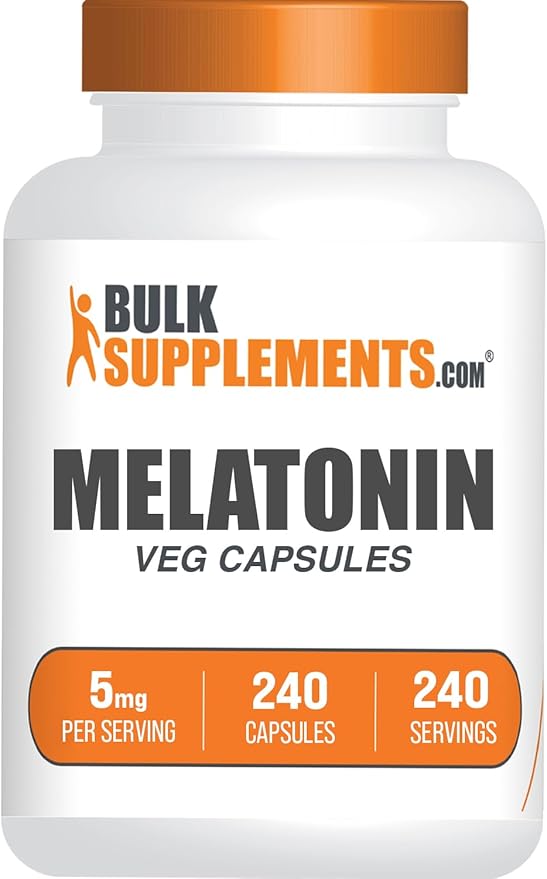
1. Immediate-Release Melatonin
Best for: Difficulty falling asleep
works quickly
supports sleep onset
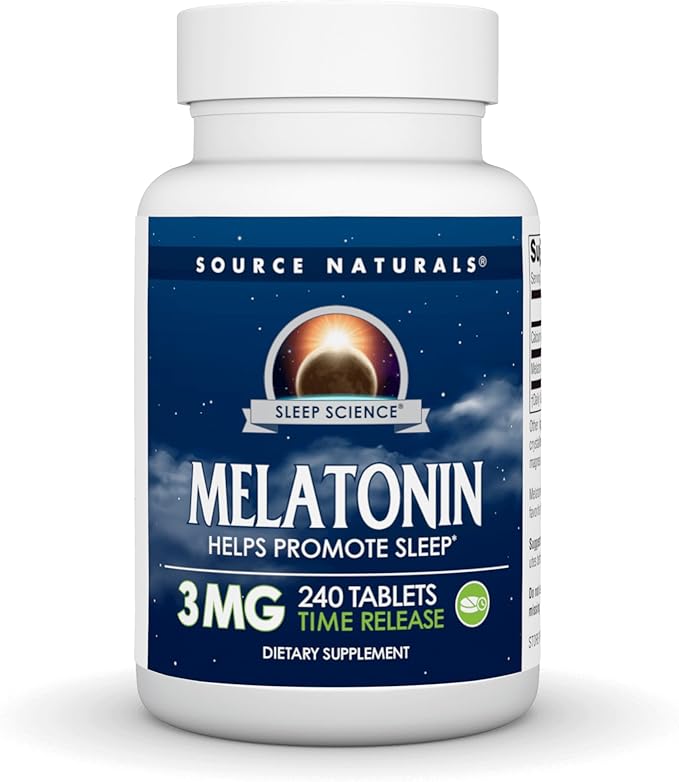
2. Extended-Release Melatonin
Best for: Maintaining sleep timing
releases gradually
supports sustained circadian signaling
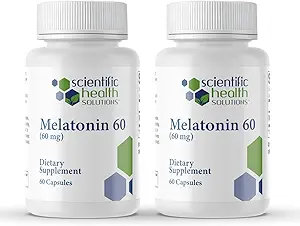
3. Low-Dose Melatonin
Best for: Long-term use
aligns with natural melatonin levels
reduces risk of grogginess
Choosing the right form depends on the specific sleep challenge.
How to Use Melatonin for Better Sleep
take melatonin 30–90 minutes before bedtime
use the lowest effective dose
maintain consistent timing
avoid bright light after dosing
pair with regular sleep schedules
Correct timing is more important than dosage size.
Common Mistakes to Avoid
taking excessively high doses
using melatonin too late at night
expecting immediate sleep sedation
combining melatonin with stimulants
inconsistent nightly use
Melatonin works best as a timing signal, not a sleep drug.
Frequently Asked Questions
Is melatonin safe for nightly use?
Low-dose melatonin is generally considered safe for short- to medium-term use.
Does melatonin cause dependency?
Melatonin is non-habit forming when used appropriately.
Can melatonin cause morning grogginess?
High doses or improper timing can increase this risk.
Is melatonin effective for jet lag?
Yes, it is commonly used for circadian adjustment during travel.
Final Thoughts
Melatonin supplements are a targeted tool for improving sleep timing and circadian alignment. When used correctly and at appropriate doses, they support consistent bedtimes and smoother transitions into sleep.
For adults focused on optimizing sleep schedules rather than sedating the body, melatonin can be a useful part of a broader sleep optimization strategy.