
Best Herbal Sleep Remedies
Sleep difficulties are often linked to stress, nervous system overstimulation, or difficulty winding down at night. For many people, gentle plant-based remedies provide a way to support relaxation without relying on synthetic sleep aids.
Herbal sleep remedies are traditionally used to calm the nervous system, reduce mental tension, and support the body’s natural transition into sleep. When chosen carefully, they can be used regularly as part of a long-term sleep optimization routine.
This guide explains how herbal sleep remedies work, who they’re best for, which herbs matter, and how to choose the right option for improving sleep quality.
What Are Herbal Sleep Remedies?
Herbal sleep remedies are products made from plant-based ingredients traditionally associated with relaxation and sleep support.
They are commonly used to:
calm the nervous system
reduce stress-related sleep disruption
support relaxation before bedtime
improve sleep consistency over time
They do not force sleep but help create conditions that make sleep easier.
Why Herbal Sleep Remedies Can Improve Sleep Quality
Herbal remedies support sleep quality by influencing the nervous system rather than sedating the body. They help by:
reducing stress and mental overstimulation
supporting parasympathetic (rest-and-digest) activity
improving evening relaxation
reinforcing calming bedtime routines
They are most effective when used consistently and combined with healthy sleep habits.
Who Herbal Sleep Remedies Are Best For
Herbal sleep remedies are especially useful for:
adults with stress-related sleep issues
people who feel mentally “wired” at night
individuals sensitive to synthetic supplements
those seeking non-habit forming sleep support
people building long-term sleep routines
They may be less effective for sleep issues driven by circadian rhythm misalignment.
How We Evaluated Herbal Sleep Remedies
We focused on remedies that:
use well-studied traditional herbs
avoid excessive or unbalanced dosages
are suitable for regular use
emphasize ingredient transparency
support relaxation rather than sedation
Balanced formulations were prioritized over single-ingredient extremes.
Common Herbs Used in Sleep Remedies
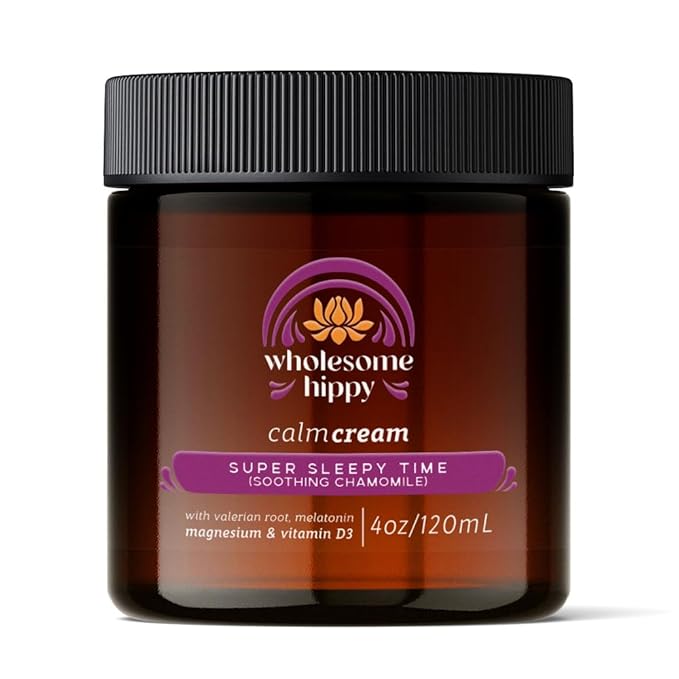
1. Valerian Root
traditionally used for relaxation
associated with reduced sleep latency
2. Chamomile
supports gentle calming effects
widely used in evening routines
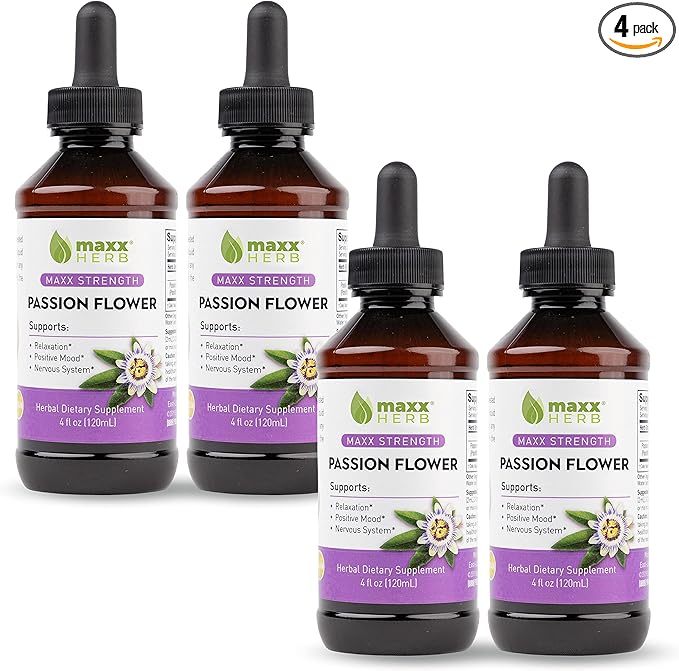
3. Passionflower
supports gentle calming effects
widely used in evening routines
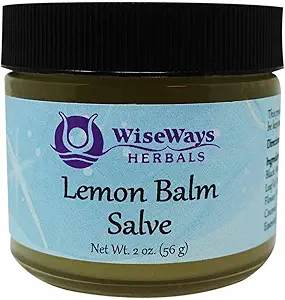
4. Lemon Balm
supports mood and calm
commonly used for evening relaxation
The most effective remedies often combine multiple complementary herbs.
Types of Herbal Sleep Remedies
1. Single-Herb Remedies
Best for: Targeted support
simple formulations
predictable effects
2. Herbal Blends
Best for: Broad relaxation
multiple calming herbs
balanced nervous system support
3. Liquid Herbal Extracts
Best for: Flexible dosing
faster absorption
customizable intake
Common Mistakes to Avoid
expecting immediate sedative effects
using excessively high doses
combining multiple herbal remedies
inconsistent use
ignoring lifestyle contributors to sleep
Herbal remedies support sleep gradually rather than instantly.
Frequently Asked Questions
Are herbal sleep remedies safe for nightly use?
Most are designed for regular use when properly formulated.
Do herbal remedies cause dependency?
They are generally non-habit forming.
How long do herbal remedies take to work?
Some effects may be noticed within days, others build over time.
Can herbal remedies replace other sleep aids?
They can complement or replace other aids for some people.
Final Thoughts
Herbal sleep remedies offer a gentle, plant-based approach to improving sleep quality. By supporting relaxation and reducing stress-related interference, they help the body transition into sleep more naturally.
For adults seeking non-synthetic sleep support, herbal remedies can be a sustainable part of a sleep optimization strategy.