
Best Calming Devices for Sleep (Non-Drug Tools That Help You Relax)
For many people, sleep problems aren’t caused by lack of sleep aids—but by a nervous system that won’t slow down at night. When stress and anxiety keep the body in a heightened state of alertness, calming devices can help signal safety and relaxation without relying on supplements or medication.
This guide covers calming devices commonly used to support relaxation before sleep, how they work, and how to choose the right option based on comfort and effectiveness.
This page is informational and not medical advice. Supplements are not a substitute for professional care.
How Calming Devices Support Sleep
Most calming devices work by influencing one or more of these systems:
Breathing regulation (slower, deeper breathing)
Sensory input (sound, vibration, pressure)
Parasympathetic activation (rest-and-digest response)
Environmental consistency (predictable sleep cues)
They don’t force sleep. Instead, they help the body downshift from stress into rest.
Who Benefits Most From Calming Devices
Calming devices are often used by people who:
Feel physically tense at night
Experience anxiety before bed
Wake up with racing thoughts
Want non-ingestible options
Prefer tools over supplements
They’re especially helpful when anxiety is somatic (felt in the body) rather than purely mental.
How We Evaluated Calming Devices
We focused on devices that:
Are designed specifically for relaxation
Can be used safely before bed
Are simple to use consistently
Are widely available and well-reviewed
Do not overstimulate the user
Comfort and ease of use matter more than novelty.
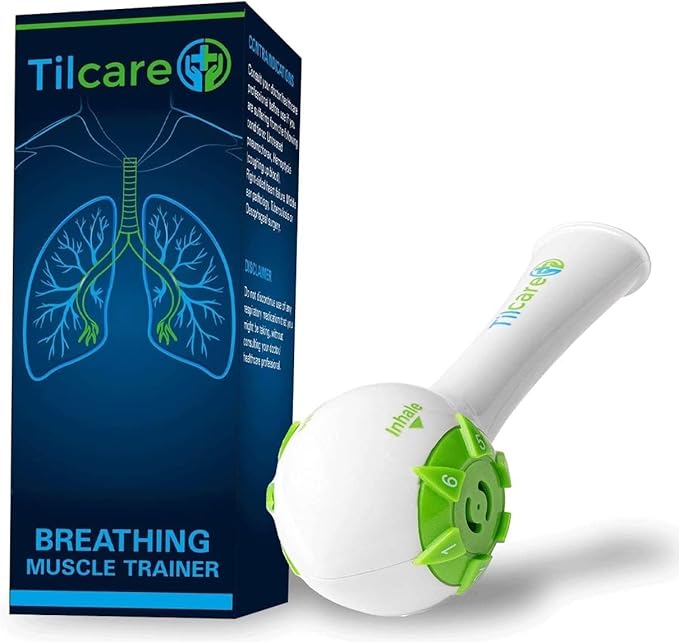
1. Breathing & Guided Relaxation Devices
Best for: Slowing down the nervous system before bed
These devices guide breathing patterns or provide paced prompts to encourage slower, deeper breaths.
Why they may help:
Reduce heart rate
Shift attention away from anxious thoughts
Encourage consistent breathing rhythms
They’re especially useful for people who struggle to relax mentally at night.
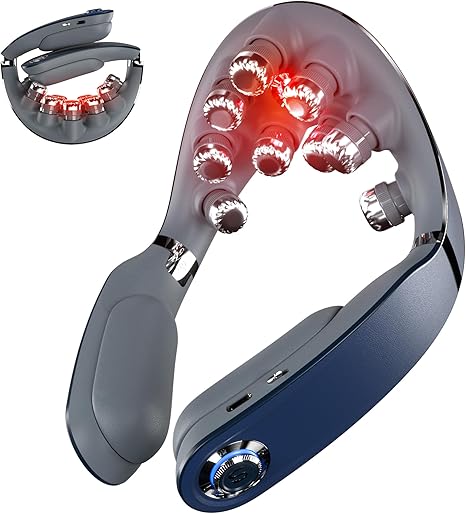
2. Vagus Nerve Stimulation Devices (Gentle, Non-Invasive)
Best for: Stress-related sleep disruption
Some devices are designed to gently stimulate areas associated with the vagus nerve, which plays a role in relaxation responses.
Potential benefits:
Promote calmness
Support relaxation signals
Used as part of a wind-down routine
These devices vary widely, so comfort and ease of use are important considerations.
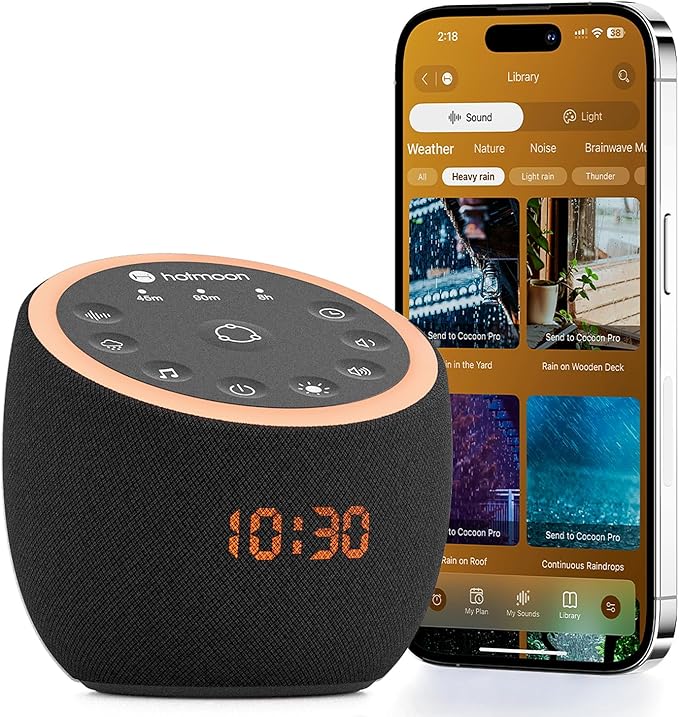
3. White Noise & Sound Therapy Devices
Best for: Light sleepers and nighttime anxiety
White noise machines and sound therapy devices provide consistent background sound to reduce sudden disturbances.
Why people use them:
Mask environmental noise
Create predictable auditory environments
Reduce nighttime awakenings
Some devices include nature sounds or low-frequency tones designed for relaxation.
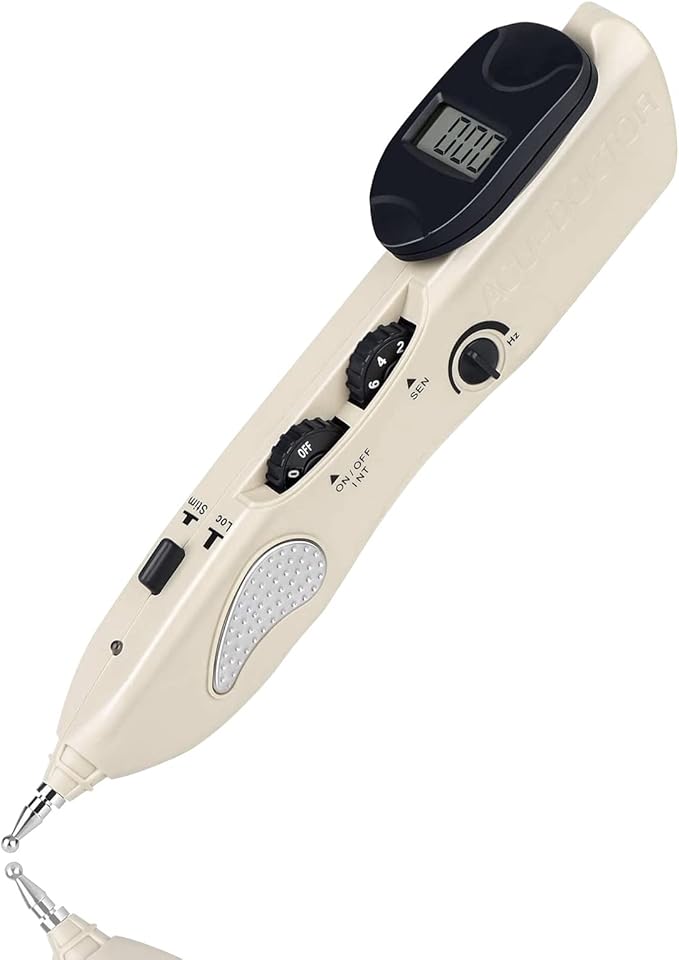
4. Acupressure & Gentle Pressure Devices
Best for: Physical tension and restlessness
Acupressure mats, weighted eye masks, or gentle pressure tools are used to provide calming sensory input.
Benefits:
Encourage muscle relaxation
Increase body awareness
Can support relaxation routines
These are often used briefly before bed rather than all night.
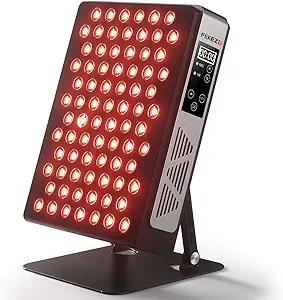
5. Light-Based Relaxation Devices
Best for: Evening wind-down routines
Some devices use soft, rhythmic lighting or gradual dimming to signal bedtime.
Why they help:
Reduce overstimulation
Support circadian cues
Create consistent sleep environments
They work best when combined with reduced screen use.
What Calming Devices Usually Do NOT Do
It’s important to set realistic expectations. Calming devices:
Do not treat anxiety disorders
Do not replace therapy or medical care
Do not work instantly for everyone
They are tools for habit support, not cures.
How to Choose the Right Calming Device
Match the device to your primary challenge:
Racing thoughts: Breathing or guided relaxation devices
Physical tension: Acupressure or pressure-based tools
Environmental sensitivity: White noise machines
Stress overload: Vagus-focused relaxation devices
Start with one device and use it consistently for several nights.
Using Calming Devices Effectively
For best results:
Use the device at the same time each night
Combine with dim lighting
Avoid screens during use
Keep sessions short and consistent
Routine matters as much as the device itself.
Safety & Comfort Notes
Stop use if discomfort occurs
Follow manufacturer instructions
Avoid devices that feel overstimulating
Choose simplicity over complexity
Calming devices should feel reassuring, not distracting.
Frequently Asked Questions
Do calming devices actually help with sleep?
They can support relaxation and reduce pre-bed stress, which may improve sleep quality.
Are these devices safe to use nightly?
Most are safe when used as directed and for short periods before bed.
Can calming devices replace supplements?
They can reduce reliance on supplements for some people, but results vary.
How long before results?
Some people feel calmer immediately; others notice benefits after consistent use.
Final Thoughts
Calming devices offer a non-drug approach to reducing nighttime stress and anxiety. The most effective options:
Support relaxation without stimulation
Fit easily into routines
Feel comfortable and intuitive to use