
Best Blue Light Blocking Glasses for Sleep (What Actually Matters)
Exposure to artificial light in the evening—especially from phones, laptops, and TVs—can interfere with the body’s natural sleep signals. Blue light blocking glasses are commonly used to reduce evening light exposure and support healthier sleep timing without changing daily routines.
This guide explains how blue light blocking glasses work, which features matter, and how to choose a pair that actually supports sleep—without overpaying for marketing.
This page is informational and not medical advice. Supplements are not a substitute for professional care.
Why Blue Light Matters at Night
Blue wavelengths of light can suppress melatonin, the hormone that signals the body it’s time to sleep. Evening exposure may:
Delay sleep onset
Reduce sleep depth
Shift circadian rhythm later
Increase nighttime alertness
Blue light blocking glasses aim to filter specific wavelengths, particularly in the evening hours, to support a smoother transition into sleep.
Who Benefits Most From Blue Light Blocking Glasses
These glasses are often used by people who:
Use screens at night
Work evening or late shifts
Read or watch TV before bed
Want a non-supplement sleep tool
Prefer lifestyle-based sleep support
They’re especially useful when changing screen habits isn’t realistic.
How We Evaluated Blue Light Blocking Glasses
We focused on glasses that:
Clearly state lens filtering range
Use amber, orange, or red lenses for evening use
Are comfortable for extended wear
Provide adequate coverage around the eyes
Are suitable for nighttime use (not daytime aesthetics)
Transparency matters more than brand claims.
Understanding Lens Types (Critical)
Not all “blue light glasses” are the same.
Clear or Light Yellow Lenses
Best for: Daytime computer use
Limitation: Minimal melatonin impact at night
Amber / Orange Lenses
Best for: Evening and pre-bed use
Why: Block a larger portion of blue wavelengths
Red Lenses
Best for: Strict light control before bed
Trade-off: Strong color distortion
For sleep support, amber or red lenses are generally more effective than clear lenses.
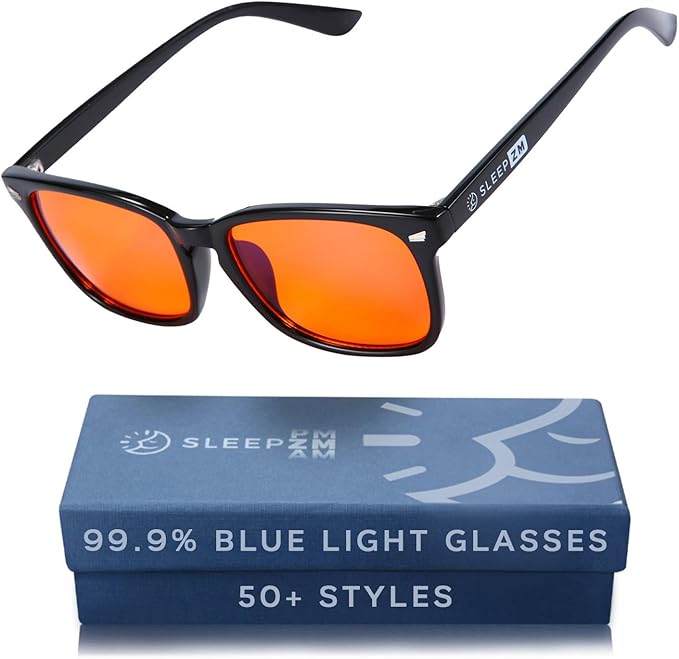
1. Amber Lens Blue Light Blocking Glasses
Best for: Evening screen use and general nighttime routines
Amber lenses strike a balance between effective filtering and usability.
Why people choose them:
Stronger blue light reduction than clear lenses
Comfortable for reading and TV
Widely available and affordable
What to look for:
Stated wavelength blocking (around 400–520 nm)
Wraparound or wide frames
Anti-glare coating
Amber lenses are often the best starting point.
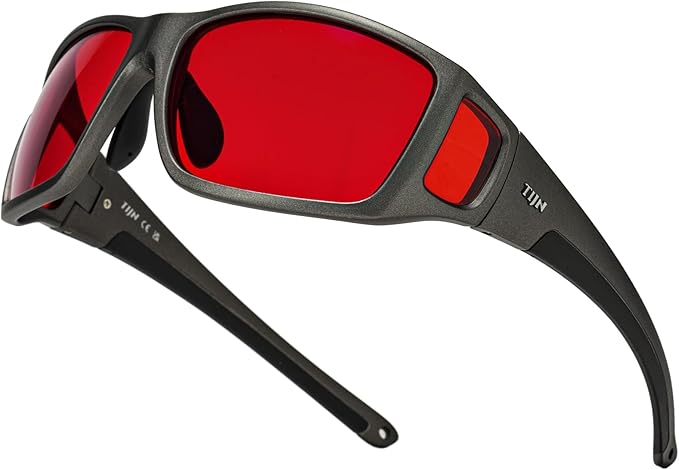
2. Red Lens Blue Light Blocking Glasses
Best for: Maximum light control before sleep
Red lenses block nearly all blue and green light, offering the strongest circadian support.
Advantages:
Minimal melatonin disruption
Useful for late-night screen exposure
Often recommended for strict sleep routines
Considerations:
Strong color distortion
Less practical for general tasks
Best for people with persistent sleep timing issues.
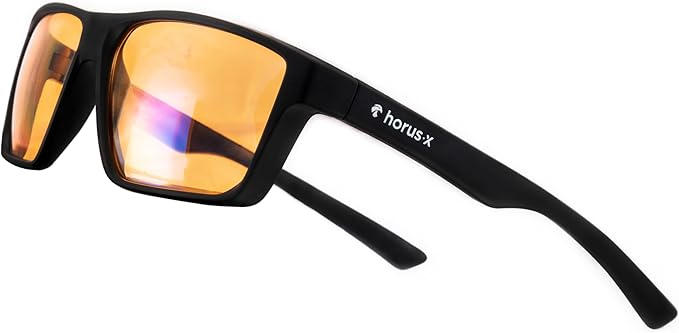
3. Prescription Blue Light Blocking Glasses
Best for: Users who wear glasses regularly
Prescription options allow users to integrate blue light filtering without switching frames.
Important notes:
Confirm nighttime filtering strength
Avoid “daytime” blue light coatings for sleep
Ensure comfort for prolonged wear
Not all prescription coatings are suitable for sleep—check specifications carefully.
Budget vs Premium Glasses
Higher price does not always mean better filtering.
Budget options:
Often effective if lens color and coverage are correct
Fewer coatings or frame options
Premium options:
Better build quality
Improved comfort and durability
Clearer lens specifications
Filtering effectiveness matters more than branding.
How to Use Blue Light Blocking Glasses Effectively
For best results:
Wear them 2–3 hours before bed
Use consistently each evening
Combine with dim lighting
Avoid bright overhead lights when possible
They work best as part of a nighttime routine, not as a one-off fix.
Common Mistakes to Avoid
Using clear “office” blue light glasses at night
Wearing glasses too close to bedtime only
Expecting instant results without routine changes
Ignoring other light sources (room lighting matters)
Consistency is key.
Blue Light Glasses vs Apps & Screen Filters
Screen filters and apps can help, but:
They don’t block all wavelengths
They don’t affect room lighting
They’re device-specific
Glasses provide whole-environment filtering, which is why many people prefer them for sleep.
Frequently Asked Questions
Do blue light blocking glasses really work?
They can support healthier sleep timing when used correctly and consistently.
How long before bed should I wear them?
Typically 2–3 hours before sleep.
Are clear blue light glasses enough for sleep?
Usually not. Amber or red lenses are more effective at night.
Can I wear them all evening?
Yes, especially amber lenses designed for nighttime use.
Final Thoughts
Blue light blocking glasses are a practical, non-ingestible way to support sleep habits—especially in a screen-heavy lifestyle. The most effective options:
Use amber or red lenses
Provide full eye coverage
Are comfortable enough for nightly wear