
Best Blackout Curtains for Sleep
Light exposure during sleep can disrupt circadian rhythm, reduce melatonin production, and fragment deep sleep cycles. Even small amounts of streetlight, early morning sun, or indoor lighting can negatively affect sleep quality.
Blackout curtains are designed to block external light completely, creating a darker and more stable sleep environment. For many people, they are one of the most effective upgrades for improving sleep consistency and depth.
This guide explains how blackout curtains work, who benefits most, what to look for when choosing them, and how to select the best option for sleep optimization.
What Are Blackout Curtains?
Blackout curtains are window coverings made with dense, light-blocking fabrics or layered constructions designed to block 90–100% of incoming light.
Sleep-focused blackout curtains typically:
Prevent external light leakage
Reduce early-morning awakenings
Support melatonin production
Improve overall sleep duration
They are different from room-darkening curtains, which only partially reduce light.
Why Blackout Curtains Improve Sleep Quality
Darkness is a primary signal for sleep regulation. Blackout curtains help because they:
Block artificial and natural light at night
Prevent early sunrise disruption
Improve sleep onset and continuity
Support deeper REM and slow-wave sleep
Help maintain a stable circadian rhythm
They are especially effective in urban environments or bedrooms with poor light control.
Who Blackout Curtains Are Best For
Blackout curtains are particularly useful for:
Light-sensitive sleepers
Shift workers sleeping during daylight hours
People living near streetlights or traffic
Parents managing early wake-ups
Anyone struggling with fragmented sleep
They are less critical for bedrooms that are already completely dark.
How We Evaluated Blackout Curtains for Sleep
We focused on curtains that:
Block at least 95% of external light
Use dense or layered blackout fabric
Fit tightly to window dimensions
Reduce light leakage around edges
Are durable and easy to install
Light-blocking performance matters more than aesthetics.
What to Look For in Blackout Curtains
1. Light Blocking Percentage
True blackout curtains block 95–100% of light
Avoid vague “darkening” descriptions
2. Fabric Thickness & Layers
Triple-weave or foam-backed fabrics perform best
Heavier fabrics reduce light and noise
3. Proper Sizing
Curtains should extend beyond window edges
Floor-to-ceiling coverage minimizes leaks
4. Installation Style
Rod-mounted curtains are easiest
Wraparound rods improve edge coverage
Types of Blackout Curtains
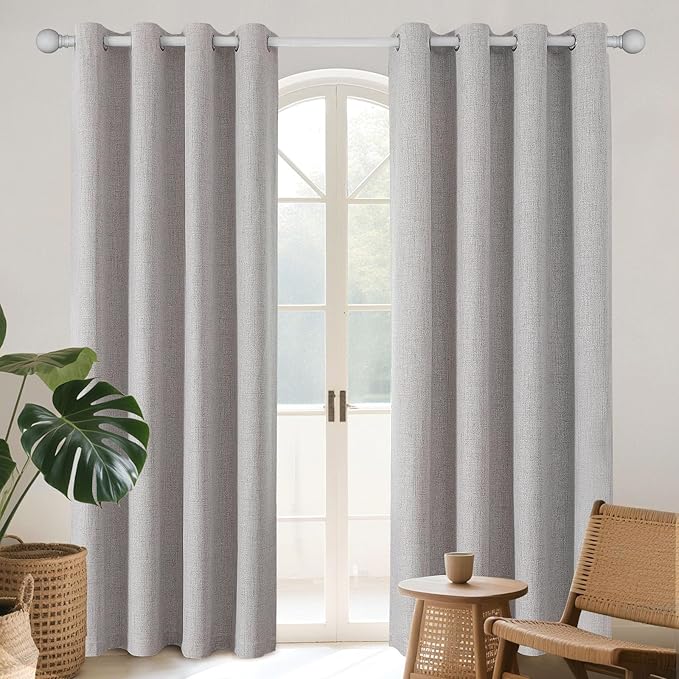
1. Thermal Blackout Curtains
Best for: Light + temperature control
Insulate against heat and cold
Reduce external noise slightly
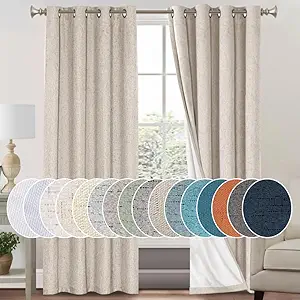
2. Fabric Blackout Panels
Best for: Permanent bedroom setups
Thick woven material
Long lifespan and consistent coverage
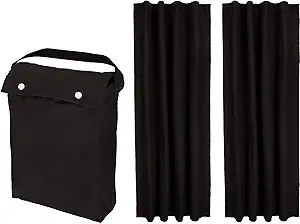
3. Portable Blackout Curtains
Best for: Renters or travel
Temporary installation
Useful for irregular window sizes
Common Mistakes to Avoid
Choosing room-darkening instead of blackout
Using curtains that are too narrow
Leaving gaps at the top or sides
Relying on blinds alone for light control
Small light leaks can still disrupt sleep quality.
Frequently Asked Questions
Do blackout curtains really help with sleep?
Yes, especially for people sensitive to light or early sun exposure.
Are blackout curtains better than blinds?
Curtains usually block more light than standard blinds.
Will they make the room too dark?
Darkness is beneficial for sleep and can be adjusted during the day.
Can they help with naps?
Yes, they are very effective for daytime sleep.
Final Thoughts
Blackout curtains are one of the most impactful environmental changes for better sleep. The best options focus on maximum light blockage, proper sizing, and secure installation.
For many sleepers, they deliver immediate and noticeable improvements in sleep quality.