
Best Blackout Curtains for Sleep
Light exposure during the night—even small amounts from streetlights, cars, or electronics—can suppress melatonin and disrupt sleep cycles. Many people experience lighter sleep or early awakenings because their bedroom isn’t truly dark.
Blackout curtains are designed to block external light and create a consistent dark environment that supports deeper, more stable sleep.
This guide explains how blackout curtains improve sleep, who benefits most, what features matter, and how to choose the right option for your bedroom.
What Are Blackout Curtains?
Blackout curtains are window coverings made with tightly woven or layered fabrics that block most or all external light.
Sleep-focused blackout curtains typically:
Block 90–100% of outside light
Reduce early morning light exposure
Support melatonin production
Improve sleep depth and continuity
Some options are fully blackout, while others are light-dimming and better suited for low-light environments.
Why Darkness Improves Sleep Quality
Light is one of the strongest signals affecting the body’s circadian rhythm. Even dim light can interfere with sleep by:
Suppressing natural melatonin release
Increasing nighttime awakenings
Reducing deep and REM sleep
Triggering early morning wake-ups
Blackout curtains help maintain consistent darkness throughout the night.
Who Blackout Curtains Are Best For
Blackout curtains are especially useful for:
People living in urban or street-lit areas
Shift workers sleeping during the day
Light-sensitive sleepers
Early risers who wake with sunrise
Bedrooms facing traffic or outdoor lighting
They may be less critical in naturally dark, quiet environments.
How We Evaluated Blackout Curtains for Sleep
We focused on curtains that:
Effectively block external light
Maintain coverage around window edges
Use dense, durable materials
Perform consistently over time
Are suitable for bedroom use
Light-blocking performance matters more than appearance.
What to Look For in Blackout Curtains
1. Light Blocking Level
True blackout blocks 90–100% of light
Thicker fabrics usually perform better
2. Curtain Length and Width
Floor-length coverage reduces light leakage
Wider panels prevent gaps at the sides
3. Installation Style
Grommet or rod-pocket designs
Ceiling-mounted rods offer better coverage
4. Thermal Properties
Thicker curtains can also reduce heat and noise
Helpful for temperature stability during sleep
Types of Blackout Curtains
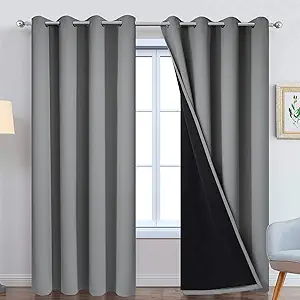
1. Full Blackout Curtains
Best for: Maximum darkness
Ideal for shift workers or urban bedrooms
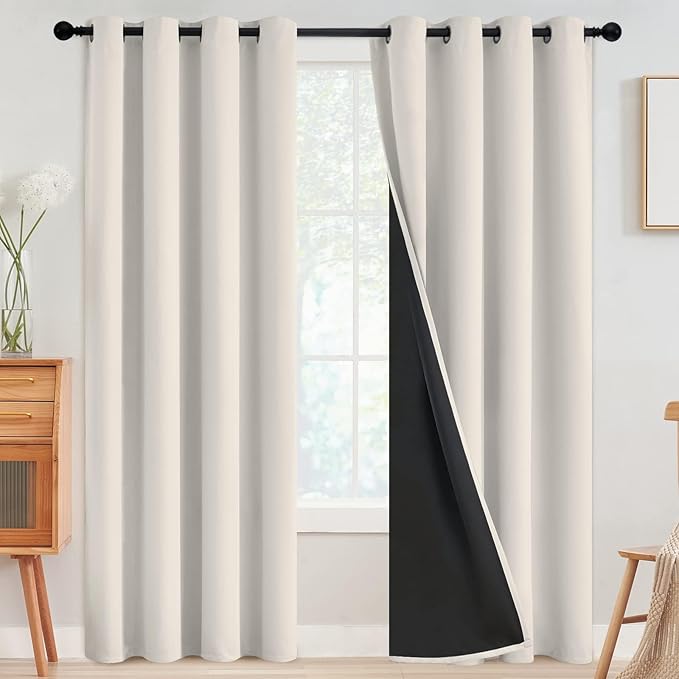
2. Thermal Blackout Curtains
Best for: Light and temperature control
Reduce heat transfer and noise
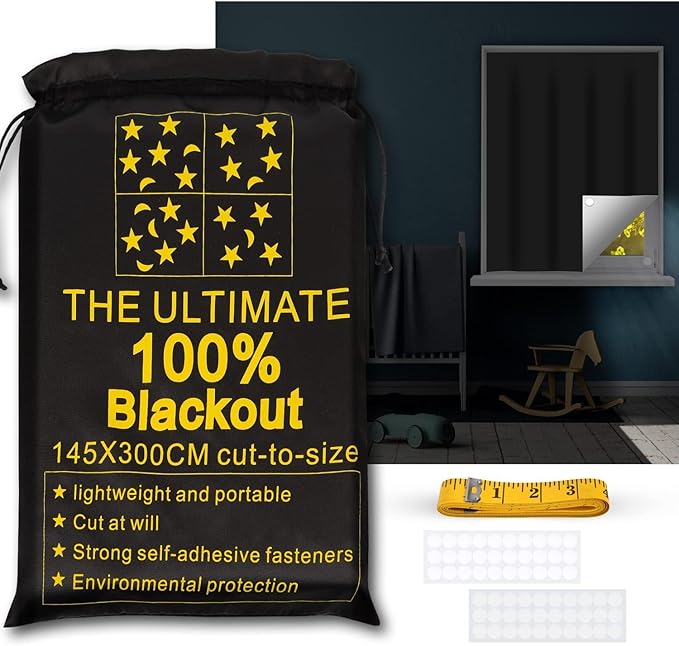
3. Portable Blackout Solutions
Best for: Temporary setups or rentals
Useful for travel or shared spaces
Common Mistakes to Avoid
Choosing curtains that are too short or narrow
Leaving gaps around the window frame
Using sheer liners instead of true blackout fabric
Relying on blinds alone for light blocking
Darkness must be complete to be effective.
Frequently Asked Questions
Do blackout curtains really improve sleep?
Yes, especially for people sensitive to light or sleeping in bright environments.
Are they safe for everyday use?
Yes. They simply block external light.
Can they help with insomnia?
They can improve sleep consistency when light exposure is a contributing factor.
Do I need blackout curtains if I already use a sleep mask?
Curtains help maintain room-wide darkness and reduce reliance on wearable solutions.
Final Thoughts
Blackout curtains are one of the simplest and most effective tools for improving sleep by controlling light exposure. When chosen correctly, they support deeper sleep, better circadian alignment, and fewer nighttime awakenings.
They are especially valuable in modern environments where artificial light is unavoidable.