
Best Bedtime Journals for Better Sleep Routines
Inconsistent thoughts, mental clutter, and unfinished tasks can make it difficult to relax before bed. Many people struggle to fall asleep not because of physical discomfort, but because the mind remains active late into the night.
Bedtime journals are designed to support healthier sleep routines by helping the brain slow down, process thoughts, and transition into rest. Used consistently, they can improve sleep timing and reduce bedtime restlessness.
This guide explains how bedtime journals work, who benefits most, what features matter, and how to choose the right option for building better sleep habits.
What Are Bedtime Journals?
Bedtime journals are guided or structured notebooks used in the evening to support relaxation and mental clarity before sleep.
They typically include:
Reflection prompts
Gratitude or positive focus exercises
Thought-dumping sections
Simple routine-based entries
Unlike regular notebooks, bedtime journals are designed specifically for short, calming use before sleep.
Why Bedtime Journals Improve Sleep Quality
Mental overstimulation before bed can:
delay sleep onset
increase nighttime awakenings
reduce perceived sleep quality
disrupt consistent sleep schedules
Bedtime journaling helps by:
clearing mental distractions
reducing rumination
signaling the end of the day
supporting consistent bedtime routines
Over time, this can make falling asleep easier and more predictable.
Who Bedtime Journals Are Best For
Bedtime journals are especially helpful for:
People with racing thoughts at night
Individuals who struggle to “switch off” mentally
Those building structured sleep routines
People experiencing bedtime anxiety
Anyone aiming to improve sleep habits naturally
They may be less impactful for those who already feel mentally calm before bed.
How We Evaluated Bedtime Journals for Sleep
We focused on journals that:
Use short, simple prompts
Encourage relaxation rather than productivity
Are easy to complete in under 10 minutes
Promote consistency without pressure
Are designed for evening use
Overly complex or goal-driven journals were excluded.
What to Look For in a Bedtime Journal
1. Prompt Simplicity
Clear, calming questions
No long writing requirements
2. Structure and Flow
Logical progression toward relaxation
Consistent daily format
3. Physical Design
Comfortable size for bedside use
Paper that’s easy to write on in low light
4. Time Commitment
Should take only a few minutes
Easy to maintain nightly
Types of Bedtime Journals
1. Guided Sleep Journals
Best for: Beginners
Structured prompts
Clear nightly routine

2. Gratitude-Focused Journals
Best for: Reducing mental tension
Emphasize positive reflection
Support emotional calm
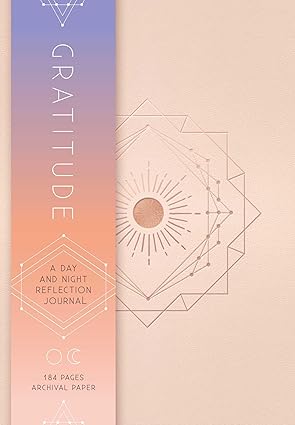
3. Free-Form Sleep Journals
Best for: Thought release
Open-ended writing
Useful for clearing mental clutter

Common Mistakes to Avoid
Writing too much or too late at night
Turning journaling into task planning
Using bright lighting during journaling
Skipping consistency
Bedtime journaling should feel calming, not demanding.
Frequently Asked Questions
Can journaling really help with sleep?
Yes, especially for people whose sleep is affected by mental overactivity.
How long should bedtime journaling take?
Ideally 5–10 minutes.
Should journaling be done right before bed?
Yes, as part of a wind-down routine.
Is it better to journal on paper or digitally?
Paper is generally better due to reduced screen exposure.
Final Thoughts
Bedtime journals are a simple tool for improving sleep routines by reducing mental stimulation and supporting consistent evening habits. When used regularly, they help signal to the brain that it’s time to rest.
For people struggling with racing thoughts or bedtime restlessness, bedtime journaling can be a practical and effective addition to a sleep routine.