
Best Anxiety Supplements for Sleep
Stress and anxiety are two of the most common reasons adults struggle with sleep. Even when the body is physically tired, an overactive nervous system can prevent relaxation, delay sleep onset, and cause frequent nighttime awakenings.
Anxiety supplements for sleep are designed to calm the nervous system, reduce stress-related arousal, and support a smoother transition into rest. When used consistently, they can help improve sleep quality without forcing sedation or creating dependency.
This guide explains how anxiety supplements work, who they’re best for, what ingredients matter, and how to evaluate them for long-term sleep support.
What Are Anxiety Supplements for Sleep?
Anxiety supplements for sleep are formulations designed to reduce stress and nervous system activation in the evening.
They typically aim to:
calm the nervous system
reduce racing thoughts
lower stress-related tension
support relaxation before bedtime
Rather than inducing sleep directly, they help remove the mental and physiological barriers that prevent sleep.
Why Anxiety Supplements Can Improve Sleep Quality
Anxiety-related sleep disruption is often caused by elevated stress hormones and nervous system overactivity. Anxiety supplements help by:
supporting calming neurotransmitters
reducing stress-driven cortisol activity
promoting parasympathetic (rest-and-digest) response
easing mental overstimulation at night
improving sleep onset consistency
They are most effective when paired with consistent sleep routines.
Who Anxiety Supplements for Sleep Are Best For
These supplements are especially useful for:
adults with stress-related sleep issues
people who feel mentally “wired” at night
individuals experiencing nighttime worry or rumination
those avoiding prescription sleep medications
people focused on long-term sleep improvement
They may be less effective for sleep issues unrelated to anxiety or stress.
How We Evaluated Anxiety Supplements for Sleep
We focused on supplements that:
emphasize nervous system support
avoid habit-forming ingredients
use well-tolerated compounds
are suitable for regular use
support relaxation without sedation
Balance and formulation quality mattered more than immediate intensity.
Common Ingredients in Anxiety Supplements
1. Adaptogenic Compounds
support stress response regulation
help stabilize nervous system activity
2. Amino Acids
involved in calming neurotransmitter pathways
support relaxation
3. Mineral-Based Ingredients
assist nervous system balance
reduce physical tension
4. Herbal Extracts
traditionally used for calming effects
support mental relaxation
Effective supplements often combine several complementary ingredients.
Types of Anxiety Supplements for Sleep
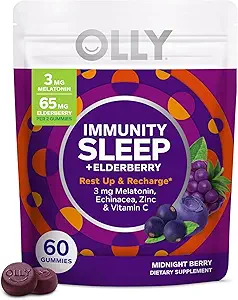
1. Stress-Focused Formulas
Best for: Evening anxiety
emphasize calming compounds
suitable before bedtime
2. Nervous System Support Supplements
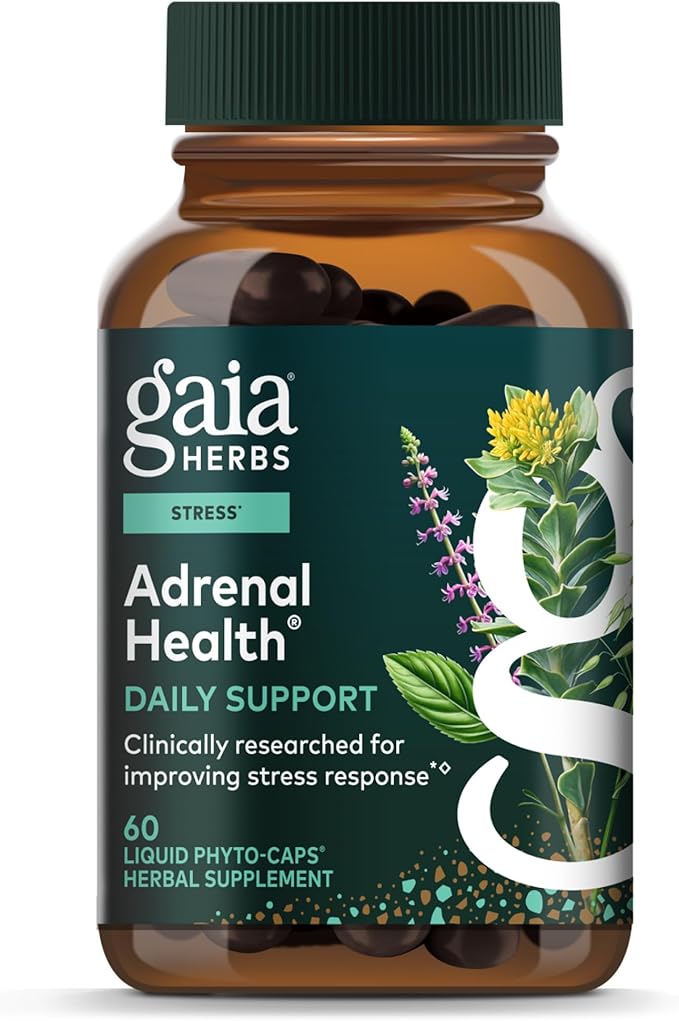
Best for: Ongoing anxiety management
support long-term regulation
non-sedating
3. Gentle Combination Blends
Best for: Balanced sleep support
combine nutrients and herbs
gradual calming effects

Common Mistakes to Avoid
taking supplements too late at night
using excessively strong formulas
combining multiple calming supplements
expecting immediate sedation
inconsistent nightly use
Anxiety support works best with routine and patience.
Frequently Asked Questions
Do anxiety supplements make you sleepy?
They promote calmness rather than force sleep.
Are anxiety supplements safe for nightly use?
Many are designed for regular use when properly formulated.
How long before bed should they be taken?
Typically 30–60 minutes before bedtime.
Can they replace sleep medications?
They may help some people, but medical guidance is recommended for chronic conditions.
Final Thoughts
Anxiety supplements for sleep address one of the most common barriers to rest: difficulty calming the mind and nervous system. By supporting relaxation rather than sedation, they help create the conditions needed for better sleep.
For adults experiencing stress-related sleep disruption, anxiety supplements can be a practical part of a long-term sleep quality strategy.