
Best Anxiety Supplements for Sleep (Calming, Non-Drug Options)
Anxiety is one of the most common reasons people struggle with sleep. You may feel physically tired, yet mentally alert—unable to relax enough to fall asleep or stay asleep. In these cases, the issue is often not sleep itself, but nervous system overactivation.
Anxiety supplements for sleep are designed to support relaxation and emotional calm, helping the body transition into rest without relying on prescription medication or strong sedatives. This guide explains which supplements are commonly used, how they work, and how to choose options that are appropriate for nighttime use.
This page is informational and not medical advice. Supplements are not a substitute for professional care.
Why Anxiety Disrupts Sleep
Anxiety affects sleep through multiple pathways:
Elevated cortisol levels in the evening
Increased mental alertness and racing thoughts
Physical tension and restlessness
Difficulty transitioning from “day mode” to “rest mode”
When anxiety is present, simply going to bed earlier rarely helps. The goal is to reduce physiological and mental arousal, not to force sleep.
What Anxiety Supplements for Sleep Are (and Aren’t)
These supplements are intended to:
Support calmness
Reduce stress signaling
Improve relaxation before bedtime
They are not:
Instant sleep solutions
Strong sedatives
Replacements for professional care in severe anxiety cases
When chosen thoughtfully, they can be a helpful part of a broader sleep routine.
Who Anxiety Supplements for Sleep Are Best For
They are commonly used by people who:
Feel “tired but wired” at night
Wake with anxiety during the night
Experience stress-related sleep disruption
Prefer non-drug approaches
Want support without morning grogginess
They may be less suitable if anxiety symptoms are severe, worsening, or accompanied by panic attacks—professional guidance is recommended in those cases.
How We Evaluated Anxiety Supplements
We focused on supplements that:
Are commonly used for relaxation and stress support
Have clear mechanisms related to calmness or sleep
Are appropriate for evening use
Are widely available from reputable brands
Do not rely on heavy sedation
Transparency and ingredient clarity were prioritized.
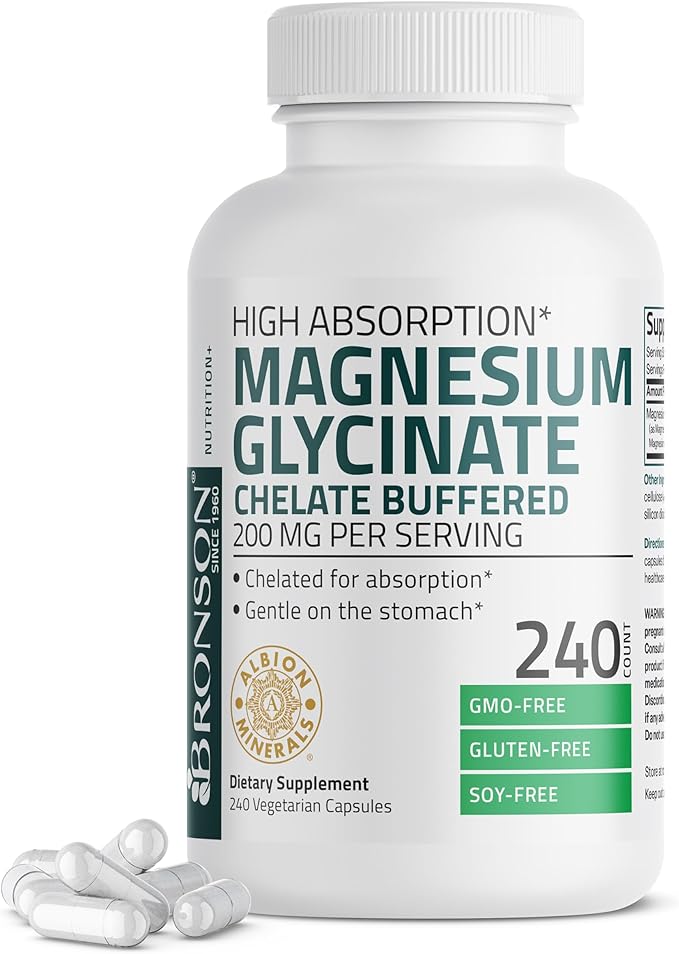
1. Magnesium (Foundational for Stress & Sleep)
Best for: Physical tension, nervous system calm, stress-related restlessness
Magnesium plays a key role in regulating the nervous system and muscle relaxation. Low levels are commonly associated with stress sensitivity and poor sleep quality.
Why it helps with anxiety at night:
Supports calming neurotransmitter activity
Helps reduce muscle tension
Promotes relaxation without sedation
Forms commonly used:
Magnesium glycinate
Magnesium threonate
Magnesium is often used nightly and pairs well with other calming supplements.
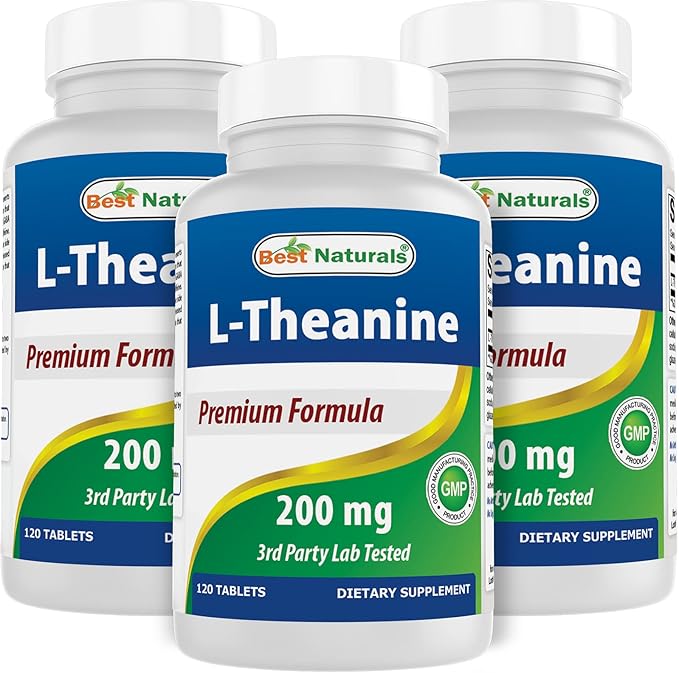
2. L-Theanine (Mental Calm Without Drowsiness)
Best for: Racing thoughts, mental overstimulation
L-Theanine is an amino acid naturally found in green tea. It is widely used for its calming effects without causing sedation or impaired alertness.
Why it’s popular for anxiety-related sleep issues:
Encourages a calm mental state
Helps reduce stress before bed
Typically well tolerated
This is a strong option when anxiety is primarily mental rather than physical.
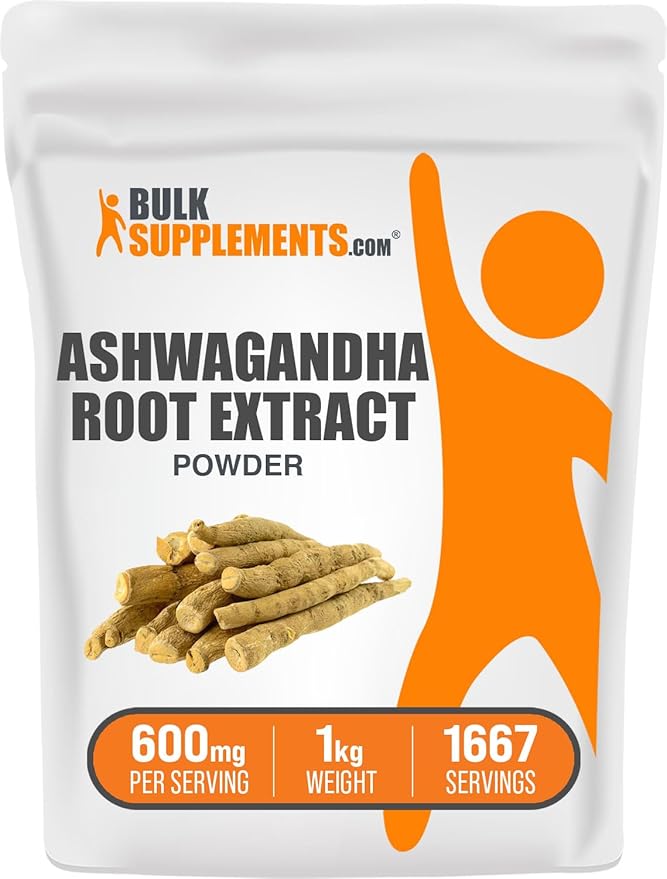
3. Ashwagandha (Stress Regulation & Cortisol Support)
Best for: Chronic stress affecting sleep quality
Ashwagandha is an adaptogenic herb traditionally used to help the body manage stress. Certain standardized extracts are commonly used in evening supplements.
Why it may help:
Supports stress hormone balance
Helps the body adapt to ongoing stress
May improve sleep continuity in stressed individuals
Moderate dosing and consistent use are generally preferred.
4. Glycine (Calm & Sleep Quality Support)
Best for: Unrefreshing sleep linked to stress
Glycine is an amino acid involved in nervous system signaling and temperature regulation.
Why it’s used:
Supports calmness
May improve perceived sleep quality
Often combined with magnesium or L-Theanine
It is usually taken shortly before bedtime.
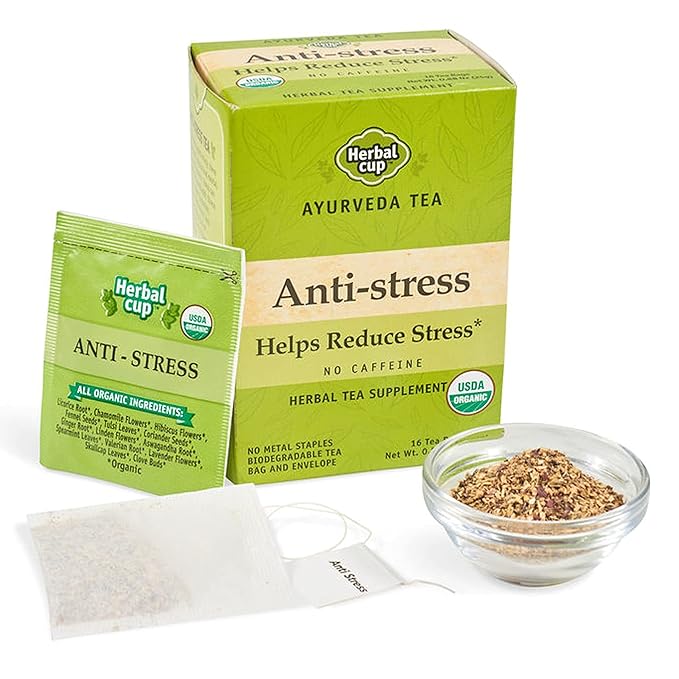
5. Herbal Anxiety Supplements (Gentle Options)
Best for: Mild anxiety and evening relaxation
Some plant-based supplements are traditionally used to support calmness:
Lemon balm – associated with emotional calm
Passionflower – traditionally used for relaxation
Valerian (low dose) – sometimes used for sleep onset
Effects vary, and these are best introduced one at a time.
Supplements That Often Don’t Help Anxiety-Related Sleep
Some popular products may disappoint:
High-dose melatonin blends (can worsen anxiety for some)
Proprietary “sleep cocktails” with unclear dosing
Products relying on strong sedatives rather than calming support
Anxiety-related sleep issues respond better to gentle regulation, not force.
How to Choose the Right Anxiety Supplement for Sleep
Start with the dominant symptom:
Racing thoughts: L-Theanine
Physical tension: Magnesium
Chronic stress: Ashwagandha
Poor sleep quality: Glycine + Magnesium
Mild anxiety: Herbal options
Introduce one supplement at a time, assess over several nights, then adjust if needed.
Safety & Usage Notes
Follow label directions
Avoid stacking multiple calming supplements initially
Allow time for adaptation
Consult a professional if taking medication or managing a health condition
Natural supplements still require responsible use.
Frequently Asked Questions
Do anxiety supplements really help with sleep?
They can support relaxation and reduce nighttime stress, which may improve sleep quality.
How fast do they work?
Some people notice effects within days; others require 1–2 weeks of consistent use.
Can I take them every night?
Many, such as magnesium or L-Theanine, are commonly used nightly when taken as directed.
Can they replace therapy or medication?
They may help mild stress-related sleep issues but are not substitutes for professional care when needed.
Final Thoughts
Anxiety supplements for sleep work best when they:
Match the underlying stress pattern
Are used consistently
Are combined with healthy sleep habits
The goal is not sedation, but calm readiness for sleep.