
Best Sleep Trackers for Accurate Sleep Data (What Actually Matters)
Snoring is more than a minor inconvenience. For many people, it disrupts sleep quality, increases nighttime awakenings, and affects both personal health and partner relationships. While snoring can have medical causes, many cases are related to airway position, nasal airflow, or muscle relaxation during sleep.
This guide focuses on anti-snoring devices commonly used to reduce snoring, how they work, and how to choose an option that matches the underlying cause — without unnecessary gimmicks.
This page is informational and not medical advice. Supplements are not a substitute for professional care.
Why Snoring Disrupts Sleep Quality
Snoring occurs when airflow is partially blocked during sleep, causing surrounding tissues to vibrate. Even when it doesn’t fully wake you, snoring can:
Fragment sleep cycles
Reduce deep sleep continuity
Increase daytime fatigue
Disrupt a partner’s sleep (often severely)
Reducing snoring can improve sleep quality for both people, even when total sleep time stays the same.
Common Causes of Snoring
Understanding the cause helps choose the right solution.
Snoring is commonly associated with:
Nasal congestion or narrow nasal passages
Mouth breathing
Tongue or jaw relaxation during sleep
Sleeping on the back
Alcohol consumption before bed
Anti-snoring devices aim to address one or more of these factors.
How We Evaluated Anti-Snoring Devices
We focused on devices that:
Target a specific snoring mechanism
Are non-invasive
Have clear usage instructions
Are commonly used and reviewed
Do not require medical intervention
Snoring solutions are not one-size-fits-all. Effectiveness depends on matching the device to the cause.
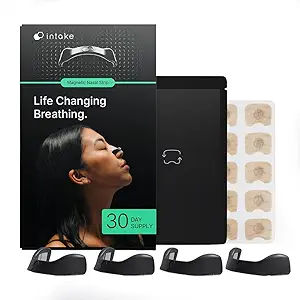
1. Nasal Strips & Nasal Dilators
Best for: Nasal congestion or restricted nasal airflow
Nasal strips and internal nasal dilators work by gently opening nasal passages to improve airflow through the nose.
Why they may help:
Reduce nasal resistance
Encourage nasal breathing
Simple and non-invasive
Considerations:
Limited effect for mouth-based snoring
Best for congestion-related snoring
These are often a good first option due to low cost and ease of use.
2. Mouthpieces (Mandibular Advancement Devices)
Best for: Mouth breathing and tongue-related snoring
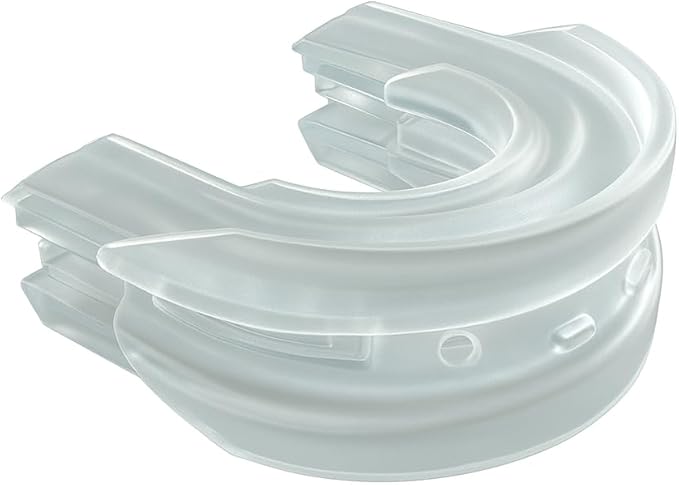
Anti-snoring mouthpieces work by slightly advancing the lower jaw to prevent airway collapse during sleep.
Why they may help:
Keep airway open
Reduce tongue obstruction
Commonly used for moderate snoring
Important notes:
Fit and comfort are critical
Adjustment period is normal
Not suitable for everyone
Custom-fit options tend to be more comfortable, but over-the-counter versions are widely available.
3. Chin Straps
Best for: Mouth breathing during sleep
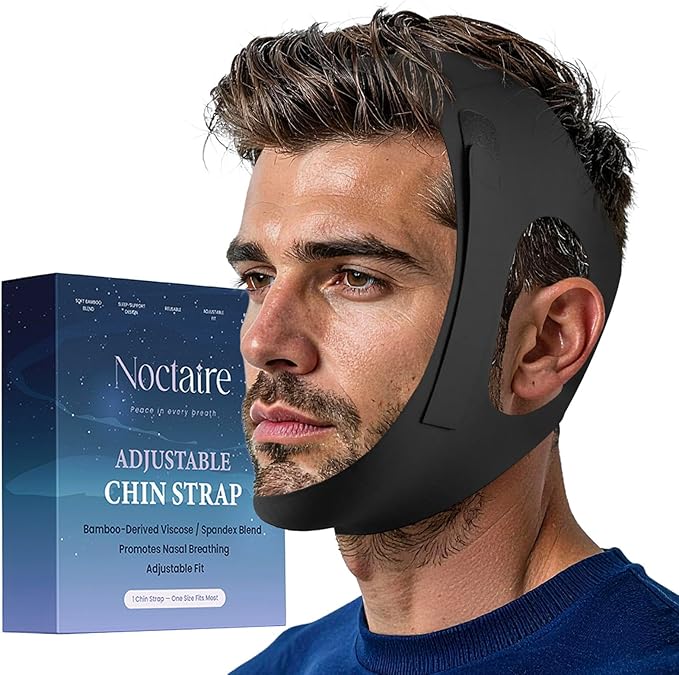
Chin straps are designed to keep the mouth closed, encouraging nasal breathing.
Advantages:
Simple design
Lightweight
Can be combined with nasal devices
Limitations:
Ineffective if nasal airflow is poor
Comfort varies by design
They are best used when snoring is primarily due to mouth breathing, not nasal blockage.
4. Positional Sleep Devices
Best for: Back-sleeping-related snoring
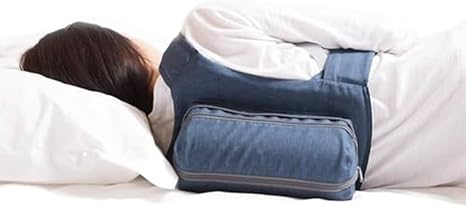
Some people snore mainly when sleeping on their back. Positional devices encourage side sleeping.
Common forms:
Wearable positional belts
Specialized pillows
Smart vibration devices
Why they may help:
Reduce airway collapse
Non-invasive
No mouth or nasal contact
These are often effective for positional snoring, which is very common
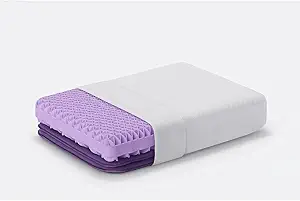
5. Anti-Snoring Pillows
Best for: Mild snoring and neck alignment
Anti-snoring pillows are designed to improve head and neck positioning during sleep.
Benefits:
Comfortable, non-intrusive
Improve spinal alignment
May reduce mild snoring
Limitations:
Less effective for severe snoring
Works best when combined with other strategies
These are suitable for people who prefer passive solutions.
What Usually Does NOT Work Well
Some products are heavily marketed but offer limited benefit for most people:
Strongly scented sprays
One-size-fits-all miracle devices
Products without clear mechanisms
Snoring reduction requires mechanical or positional change, not masking.
How to Choose the Right Anti-Snoring Device
Start by identifying your most likely snoring cause:
Nasal congestion: Nasal strips or dilators
Mouth breathing: Chin strap or mouthpiece
Back sleeping: Positional device
Mild snoring: Anti-snoring pillow
If unsure, start with the least invasive option and adjust based on results.
Using Anti-Snoring Devices Safely
Follow manufacturer instructions
Allow an adjustment period
Stop use if discomfort persists
Avoid combining multiple oral devices
Seek professional advice if snoring is severe or worsening
Persistent loud snoring may indicate sleep-related breathing disorders that require medical evaluation.
Frequently Asked Questions
Do anti-snoring devices work for everyone?
No. Effectiveness depends on the cause of snoring.
How long before results?
Some devices work immediately. Others require several nights of adjustment.
Can I combine devices?
Sometimes. For example, nasal strips + positional therapy. Avoid combining multiple oral devices.
Are anti-snoring devices safe?
Most are safe for adult use when used as directed.
Final Thoughts
Anti-snoring devices can meaningfully improve sleep quality when chosen correctly. The most effective approach is:
Identifying the cause
Selecting a targeted solution
Evaluating results over time