
Best Adaptogens for Stress & Sleep (Natural Support for Calm Nights)
Chronic stress is one of the biggest barriers to quality sleep. When stress hormones remain elevated into the evening, the body struggles to shift into a relaxed, sleep-ready state. Adaptogens are a class of natural substances commonly used to help the body adapt to stress, which is why they are often explored for stress-related sleep issues.
This guide explains which adaptogens are commonly used for stress and sleep, how they work, and how to choose options that support calm evenings without heavy sedation.
This page is informational and not medical advice. Supplements are not a substitute for professional care.
What Are Adaptogens?
Adaptogens are natural substances—often herbs or mushrooms—traditionally used to help the body maintain balance during physical or emotional stress.
They are not stimulants and not sedatives. Instead, they work by:
Supporting stress hormone regulation
Improving resilience to ongoing stress
Helping stabilize energy and mood
For sleep, adaptogens are used to reduce the stress signals that interfere with rest, not to induce sleep directly.
Why Adaptogens Can Support Better Sleep
Stress-related sleep issues often involve:
Elevated evening cortisol
Difficulty “shutting off” mentally
Light, fragmented sleep
Adaptogens may help by:
Supporting calmer stress responses
Improving emotional regulation
Making it easier to unwind at night
They are especially useful when sleep problems are linked to daytime stress accumulation.
Who Adaptogens for Sleep Are Best For
Adaptogens are commonly used by people who:
Feel chronically stressed
Wake up feeling tense
Experience anxiety-driven sleep disruption
Want non-sedating, daytime-to-night support
Prefer plant-based options
They may be less suitable for people seeking immediate, short-term sleep aids.
How We Evaluated Adaptogens
We focused on adaptogens that:
Are widely used for stress regulation
Have research or traditional use supporting calmness
Are commonly taken in the evening or daily
Are available from reputable brands
Have clear dosing information
Consistency and moderation matter more than intensity.
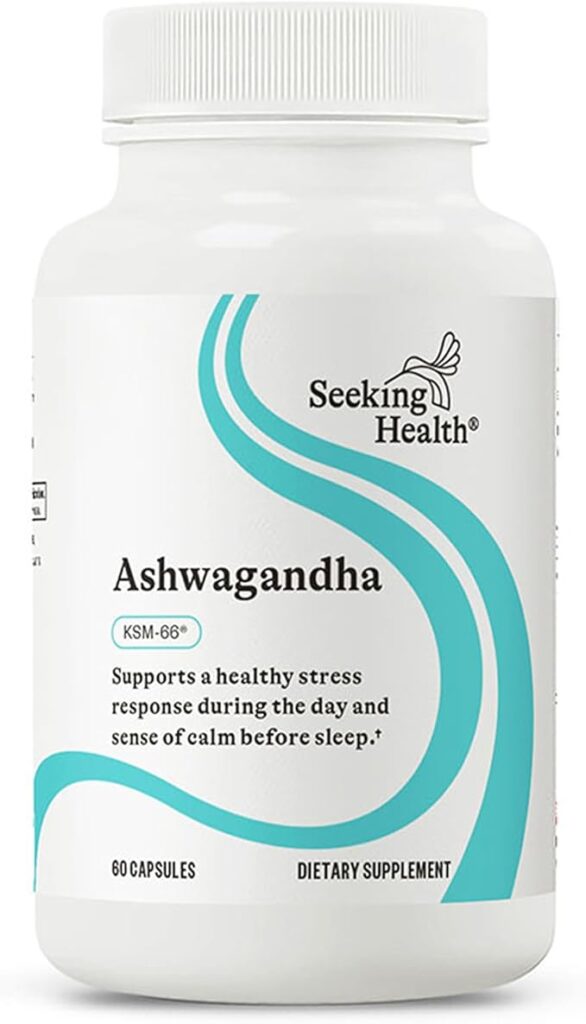
1. Ashwagandha (Most Popular for Stress & Sleep)
Best for: Chronic stress affecting sleep quality
Ashwagandha is one of the most widely used adaptogens for stress support. Certain standardized extracts are commonly included in evening supplements.
Why it’s used:
Supports stress hormone balance
Helps the body adapt to ongoing stress
May improve sleep continuity in stressed individuals
What to look for:
Standardized extracts
Moderate dosing
Clear labeling
Ashwagandha is often taken daily rather than only at bedtime.
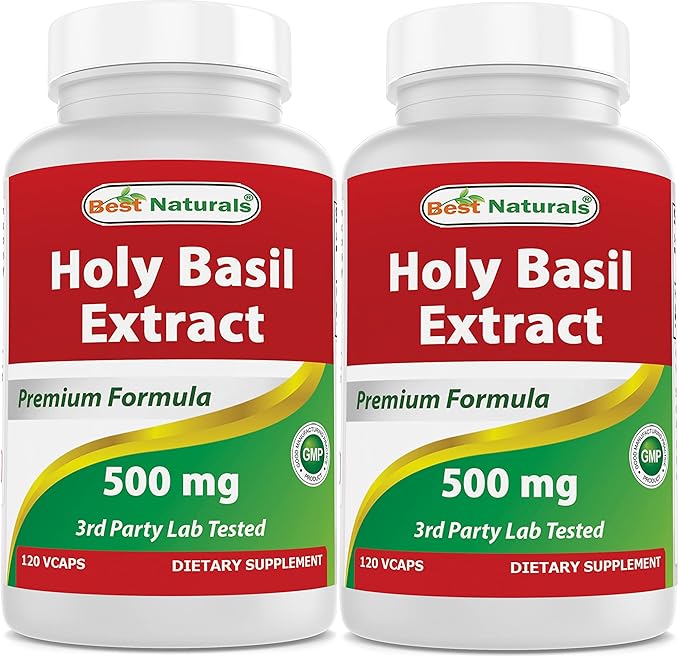
2. Holy Basil (Tulsi)
Best for: Emotional calm and gentle stress relief
Holy basil is traditionally used in Ayurvedic practices to support emotional balance and stress resilience.
Why people choose it:
Gentle calming effect
Suitable for evening use
Often consumed as tea or capsule
It’s a good option for those who want subtle, steady support.
3. Reishi Mushroom
Best for: Calmness and sleep quality support
Reishi is a functional mushroom traditionally associated with relaxation and balance.
Why it’s used:
Supports calm mood
Often used in evening blends
Non-stimulating
Reishi is commonly included in nighttime powders or capsules.
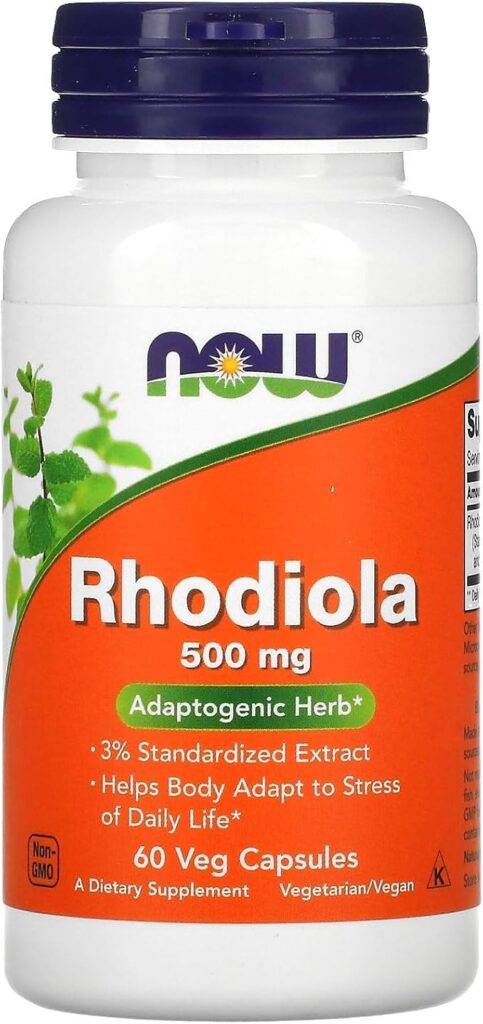
4. Rhodiola (Use Carefully)
Best for: Daytime stress resilience (not late-night use)
Rhodiola is an adaptogen often used for stress and fatigue. However, it can be mildly stimulating for some people.
Important note:
Better suited for daytime use
May disrupt sleep if taken too late
Not ideal for sensitive individuals at night
Rhodiola is included here for completeness, but it is not a first choice for evening sleep support.
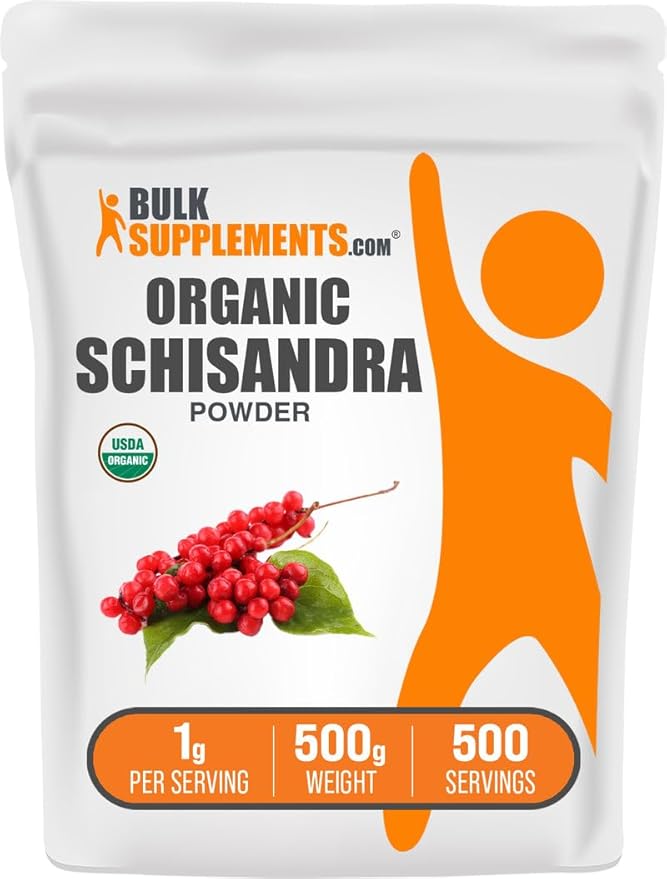
5. Schisandra (Balance & Stress Support)
Best for: Overall stress resilience
Schisandra is traditionally used to support balance and endurance.
Why it may help:
Supports stress adaptation
Often combined with other adaptogens
Neutral energy profile
It is typically used as part of blends rather than alone.
Adaptogens vs Sleep Supplements
Adaptogens:
Address stress at the root
Work gradually
Support long-term balance
Sleep supplements:
Focus on nighttime relaxation
Often act faster
May be used situationally
Many people combine adaptogens during the day with sleep-specific aids at night.
How to Choose the Right Adaptogen for Sleep
Start with your primary goal:
Chronic stress: Ashwagandha
Emotional tension: Holy basil
Evening calm: Reishi
Daytime resilience: Rhodiola (daytime only)
Introduce one adaptogen at a time and assess over 1–2 weeks.
Safety & Usage Notes
Follow label instructions
Avoid combining multiple adaptogens initially
Allow time for adaptation
Consult a professional if managing a health condition or taking medication
Adaptogens are generally gentle but still require responsible use.
Frequently Asked Questions
Do adaptogens make you sleepy?
No. They support stress regulation, which may indirectly improve sleep quality.
How long do adaptogens take to work?
Most people notice changes after 1–2 weeks of consistent use.
Can adaptogens be taken daily?
Yes, many are designed for daily use when taken as directed.
Can I take adaptogens at night?
Some, like ashwagandha or reishi, are suitable for evening use.
Final Thoughts
Adaptogens are best viewed as long-term stress support tools, not quick sleep fixes. When used consistently, they can help reduce the stress signals that interfere with restful sleep.