
Best Adaptogens for Sleep and Anxiety
Stress-related sleep issues are often driven by an imbalanced stress response rather than a lack of sleep drive. When the body remains in a heightened state of alertness, falling asleep and staying asleep becomes difficult—even when fatigue is present.
Adaptogens for sleep and anxiety are designed to help regulate the body’s response to stress. By supporting balance in the nervous and hormonal systems, adaptogens can reduce anxiety-related sleep disruption and promote more stable, restorative rest over time.
This guide explains how adaptogens work, who they’re best for, which types matter, and how to evaluate them for improving sleep quality.
What Are Adaptogens for Sleep and Anxiety?
Adaptogens are natural compounds that help the body adapt to physical and psychological stress.
When used for sleep and anxiety, they aim to:
regulate stress hormone activity
stabilize nervous system response
reduce anxiety-related overstimulation
support long-term resilience
They do not sedate the body but help normalize stress responses that interfere with sleep.
Why Adaptogens Can Improve Sleep Quality
Adaptogens improve sleep quality by addressing the root cause of stress-related sleep disruption. They help by:
moderating cortisol levels
supporting nervous system balance
reducing stress-driven mental activity
improving sleep consistency over time
supporting recovery from chronic stress
Their effects are typically gradual and build with consistent use.
Who Adaptogens for Sleep and Anxiety Are Best For
Adaptogens are especially useful for:
adults with chronic stress or anxiety
people experiencing sleep disruption during stressful periods
individuals with difficulty unwinding at night
those avoiding sedative sleep aids
people focused on long-term stress resilience
They may be less effective for acute insomnia unrelated to stress.
How We Evaluated Adaptogens for Sleep and Anxiety
We focused on adaptogens that:
are well-researched for stress regulation
support calmness without overstimulation
are suitable for evening or daily use
avoid habit-forming effects
promote balance rather than sedation
Timing and formulation mattered more than intensity.
Common Adaptogens Used for Sleep and Anxiety
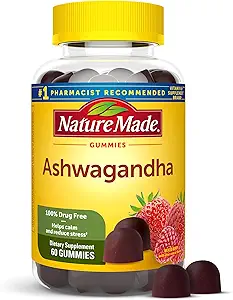
1. Ashwagandha
supports cortisol regulation
associated with reduced anxiety
2. Rhodiola (Low Dose)
supports stress resilience
best used earlier in the day
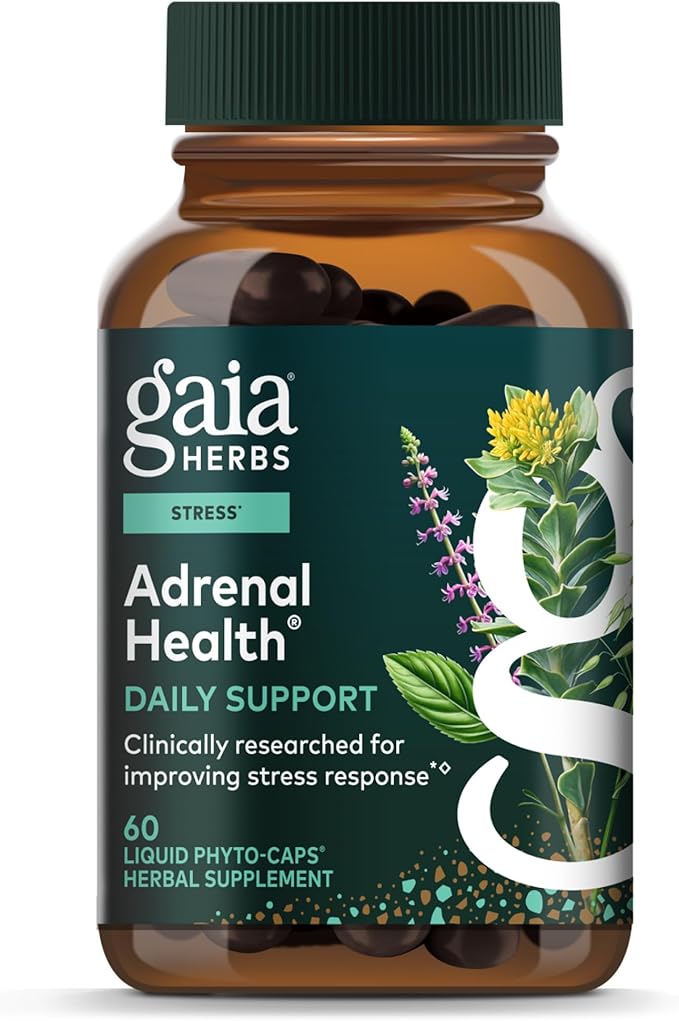
3. Holy Basil
traditionally used for stress balance
gentle calming effects
4. Reishi Mushroom
supports nervous system calm
often used in evening routines
Balanced combinations tend to be more effective than single adaptogens alone.
Types of Adaptogen Supplements
1. Evening-Calming Adaptogens
Best for: Nighttime stress
emphasize calming compounds
suitable before bedtime
2. Daily Stress-Resilience Adaptogens
Best for: Long-term balance
taken earlier in the day
support overall sleep quality
3. Combination Adaptogen Blends
Best for: Broad stress support
combine multiple adaptogens
balanced effects
Common Mistakes to Avoid
taking stimulating adaptogens late at night
expecting immediate sleep effects
using excessively high doses
combining multiple adaptogen products
inconsistent use
Adaptogens work best with regular, moderate use.
Frequently Asked Questions
Do adaptogens make you sleepy?
They support calmness rather than sedation.
How long do adaptogens take to work?
Effects often build over days or weeks.
Can adaptogens be used nightly?
Some are suitable for evening use; others are better taken earlier.
Are adaptogens habit forming?
They are generally non-habit forming when used appropriately.
Final Thoughts
Adaptogens for sleep and anxiety offer a root-cause approach to stress-related sleep disruption. By helping the body regulate its stress response, they support more consistent, restorative sleep over time.
For adults experiencing anxiety-driven sleep issues, adaptogens can be a valuable part of a long-term sleep quality strategy.