
Best Anxiety Calming Tools For Bedtime: Enhancing Sleep Quality
Medical Disclaimer
This content is provided for informational purposes only and is not intended as medical advice. I am not a licensed healthcare provider. Please consult a professional if you have concerns about your sleep or overall health.
Quick Overview of the Best Anxiety Calming Tools For Bedtime
- This page explains various non-medical tools and practices for reducing anxiety at bedtime.
- It addresses methods designed to calm the mind and promote sleep quality.
- The strategies presented are suitable for individuals experiencing racing thoughts or stress before sleep.
- It focuses on a range of techniques including mindfulness, aromatherapy, progressive muscle relaxation, and more.
- This guide is meant for anyone looking to enhance sleep quality with practical, natural remedies.
Definition: What Are the Best Anxiety Calming Tools For Bedtime?
When I talk about the “Best Anxiety Calming Tools For Bedtime,” I refer to a variety of natural, practical, and accessible methods designed to help quiet the mind and ease anxiety before sleep. They include mindfulness meditation, aromatherapy, progressive muscle relaxation, and other routines that support a calm transition into sleep. These tools are intended to help interrupt negative thought patterns and signal to the body that it is time to wind down, enhancing the overall sleep quality without using prescription medication.
Why the Best Anxiety Calming Tools For Bedtime Matter for Sleep Quality
Using these bedtime tools can make a significant difference in your sleep quality. I have found that structured practices not only help reduce stress before sleep but also pave the way for deeper and more restorative sleep. The key benefits include:
- Reduction in Racing Thoughts: Many individuals experience a flurry of worries that interfere with sleep. By incorporating calming practices, you interrupt these cycles.
- Lowered Stress Response: Techniques such as deep breathing and mindfulness help lower stress hormones, supporting both body and mind.
- Improved Sleep Patterns: Consistent relaxation practices contribute to a more stable sleep routine.
- Enhanced Relaxation: A structured nighttime ritual sends a clear signal to your brain that it is time to relax and prepare for rest.
- Ease of Implementation: These methods are non-invasive, natural, and easily integrated into various lifestyles.
By integrating the Best Anxiety Calming Tools For Bedtime, I have observed that individuals are often able to transition from a state of heightened anxiety to one of relaxation, setting the stage for a peaceful and uninterrupted night’s sleep.
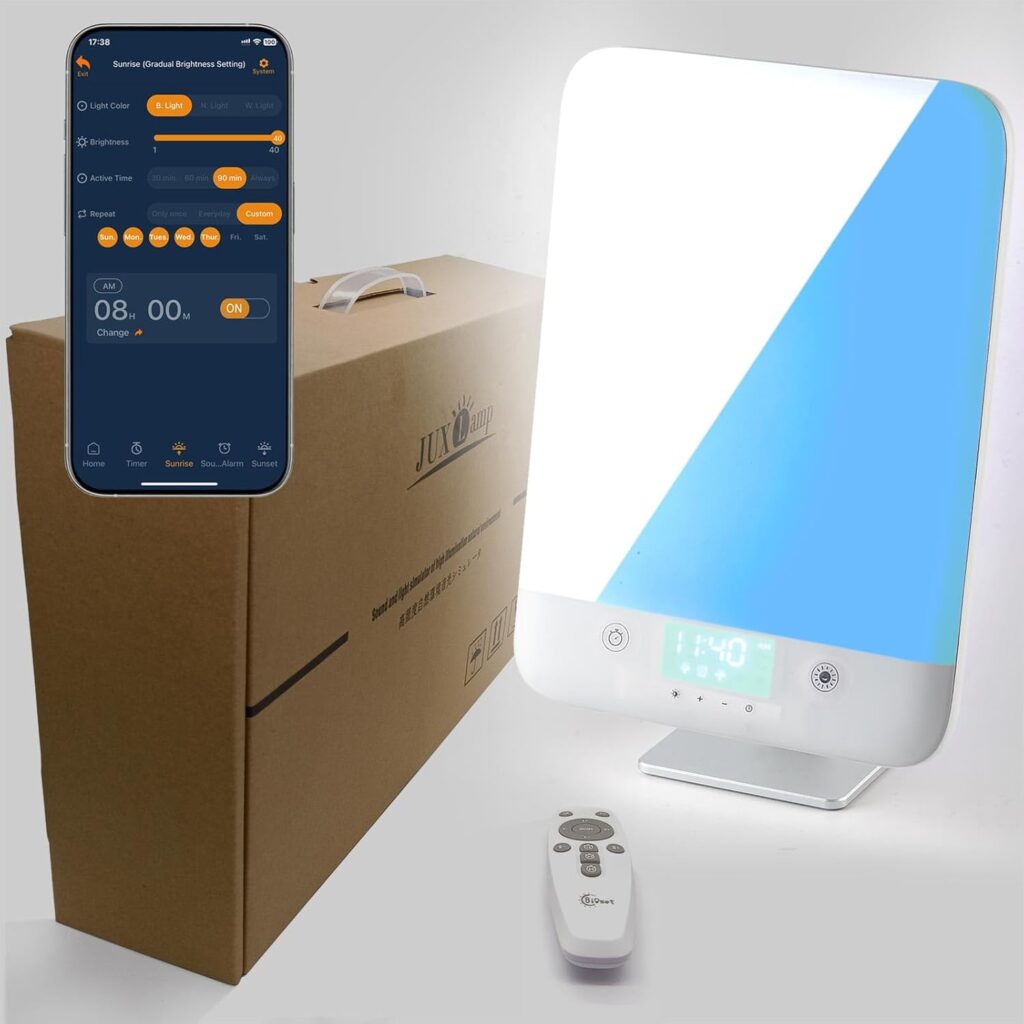
High Illuminance Light Therapy Lamp Blue/White
Most popular choice right now
Who Are the Best Anxiety Calming Tools For Bedtime Best For?
The strategies and tools discussed here are particularly well-suited for:
- Individuals with Nighttime Anxiety: Those who experience overwhelming thoughts and stress when trying to sleep.
- People with Sleep Disruptions: Anyone struggling with insomnia or fragmented sleep patterns.
- Busy Professionals: Those whose fast-paced lives may leave little time for mental relaxation before bed.
- Students and Academics: Individuals juggling responsibilities and deadlines can benefit from a calming routine to wind down.
- Anyone Seeking Natural Remedies: Individuals preferring non-medicinal methods over prescription sleep aids.
These tools are valuable for anyone wanting to establish a healthy pre-sleep routine that prioritizes mental tranquility and restfulness.
How the Best Anxiety Calming Tools For Bedtime Work
The process of reducing anxiety at bedtime through these methods is straightforward. I approach it by addressing the mind-body connection in a way that promotes relaxation and signals that it is time for sleep. The basic mechanism involves a cause-and-effect relationship where specific actions lead to reduced physiological and psychological tension. Here is a simplified breakdown of the cause-effect logic:
- Distraction Reduction: Focusing on the present slows down racing thoughts.
- Physical Relaxation: Techniques such as progressive muscle relaxation reduce bodily tension.
- Cognitive Shift: Mindfulness meditation and journaling redirect negative thought patterns.
- Atmosphere Adjustment: Aromatherapy and appropriate lighting create an environment conducive to calm and rest.
When applied consistently, these actions help lower the body’s stress response. In turn, the mind is better able to disengage from daily worries, making way for a more restful sleep period.
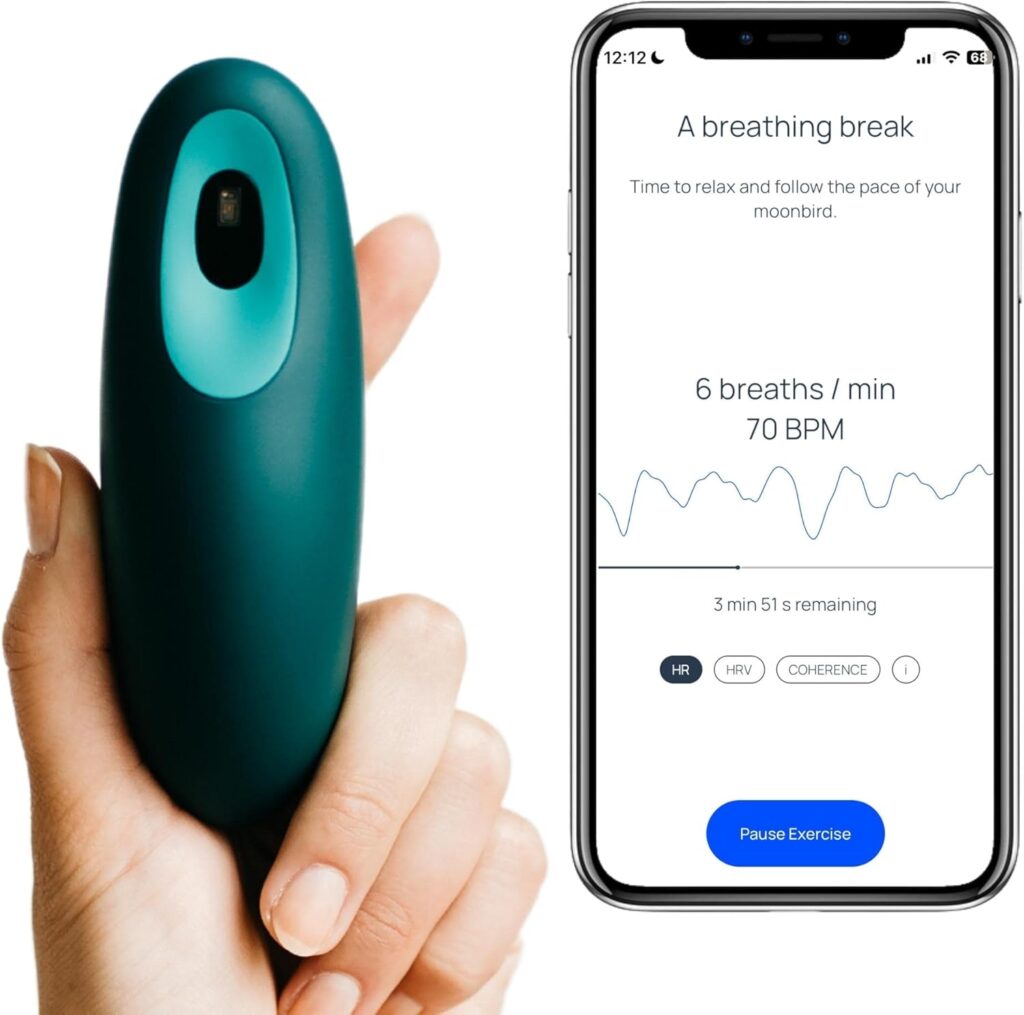
Moonbird Breathing Tool for Relaxation & Sleep Support
Most popular choice right now
Types and Categories of the Best Anxiety Calming Tools For Bedtime
Mindfulness Meditation
One of the most well-known techniques for reducing anxiety involves practicing mindfulness meditation. I focus on being present and acknowledging thoughts without judgment. Here’s how I break it down:
- Begin with a few quiet minutes, concentrating on your breathing.
- Find a comfortable seated or lying position.
- If your mind wanders, gently re-focus on the sensations of your breath.
- Many apps, such as Headspace or Calm, provide guided sessions that are very helpful.
This technique is best used as a part of a nightly routine, helping to create a smoother transition from wakefulness to sleep.
Aromatherapy
Aromatherapy employs essential oils to encourage relaxation through appealing scents. I choose oils known for their calming benefits, such as lavender, chamomile, and bergamot. The process typically involves one or more of the following methods:
- Using a diffuser to disperse the aroma in your room.
- Placing a few drops on your pillow.
- Using a roll-on essential oil blend on your wrists before bedtime.
This method works by influencing the limbic system, which is responsible for emotions, thereby promoting a state of calm and readiness for sleep.
Progressive Muscle Relaxation
Progressive muscle relaxation involves systematically tensing and relaxing different muscle groups. I start with my feet and gradually move upward, observing the sensation of tension release. The steps typically include:
- Tense a muscle group for about five seconds.
- Slowly release the tension and notice the difference.
- Move sequentially through the different muscle groups.
By focusing on the contrast between tension and relaxation, this technique supports a shift toward physical and mental calm.
Bedtime Journaling
Sometimes, writing thoughts down before sleep can be a powerful way to calm the mind. I set aside a few minutes each night to do the following:
- Document any lingering worries or thoughts.
- Write down a gratitude list or positive reflections from the day.
- Use the journal as a tool to clear your head, preventing thoughts from keeping you awake.
This practice serves as an outlet for processing emotions, reducing anxiety and paving the way for better sleep.
Calming Herbal Teas
Herbal teas have been used for generations as a natural way to relax. I find that a warm cup of tea can act as a simple yet effective calming agent. Typical ingredients include:
- Chamomile: Often called nature’s sleeping pill, it has mild sedative properties.
- Lavender: Its fragrance and taste aid in creating a soothing pre-sleep ritual.
- Valerian Root: Known for its sedative effects, it helps in falling asleep faster.
A ritual of enjoying herbal tea about half an hour before bed helps signal the body to begin the winding-down process.
Sound Therapy
Sound therapy utilizes calming audio cues to mask disruptive noises and promote relaxation. I incorporate sound therapy by:
- Listening to white noise, nature sounds, or ambient music.
- Using a sound machine or a smartphone app that provides soothing soundscapes.
- Setting a timer to avoid prolonged exposure during sleep if desired.
This method creates an auditory environment that encourages the brain to focus on relaxation, facilitating a smoother transition into sleep.
Yoga and Stretching
Engaging in light yoga or stretching routines before bedtime is another valuable tool to counteract anxiety. In my routine, I focus on gentle, restorative poses such as:
- Child’s Pose: Helps relax the back and shoulders while centering the mind.
- Legs Up the Wall: A restorative pose that promotes relaxation and improves blood circulation.
- Gentle stretching: A few minutes of slow, controlled movements to relieve bodily tension.
These movements help not only by easing physical tension, but also by calming the mind, creating an integrated path to a relaxed state.
Limiting Screen Time
In today’s technology-driven world, I have observed that limiting exposure to screens before bedtime is crucial for enhancing sleep quality. The blue light from screens can interfere with the natural production of melatonin, a hormone critical for sleep. Several strategies include:
- Setting a cut-off time to turn off all electronic devices at least one hour before bed.
- Enabling night mode on devices to reduce blue light exposure if necessary.
- Choosing alternative activities like reading, meditation, or listening to calming audiobooks.
This approach helps signal to the mind and body that the day is coming to a close, thereby fostering a deeper sense of relaxation.
Technology and Sleep Tools
Modern technology also offers specialized tools designed to improve sleep quality. I make use of sleep tracking apps and mindfulness applications to help monitor and facilitate better sleep habits. Key points include:
- Sleep tracking apps: These applications monitor sleep cycles and provide insights into sleep disturbances. They help identify patterns that may be affecting sleep quality.
- Mindfulness and meditation apps: Guided sessions available on these platforms can be incorporated into a pre-sleep routine to ease anxiety.
- White noise machines and sound apps: These devices offer a range of auditory experiences that contribute to an improved sleep environment.
Using these digital tools wisely can complement traditional approaches, providing data and structured routines that support a healthy sleep cycle.
What to Look for When Choosing the Best Anxiety Calming Tools For Bedtime
When evaluating the various tools and strategies, I consider the following practical criteria to ensure that the chosen methods are safe, easy to integrate, and effective in reducing anxiety:
- Simplicity and Usability: The tool should be simple to understand and easy to implement as part of a nightly routine.
- Consistency: It’s important that the tool can be used consistently without causing additional stress or requiring extensive setup.
- Scientific Backing: Although these methods are not clinical treatments, I look for those that have been supported by research or have anecdotal evidence of effectiveness.
- Non-Invasiveness: The chosen method should support natural sleep processes without the need for medication.
- Customizability: Ideally, the tool should be adaptable to individual needs, allowing you to gradually modify your routine based on what works best.
- Practical Integration: The tool should seamlessly fit into your existing bedtime practices without causing additional disruptions.
By following these guidelines, I am able to select and fine-tune the Best Anxiety Calming Tools For Bedtime that provide the most benefit in promoting relaxation and enhancing sleep quality.
Implementing the Best Anxiety Calming Tools For Bedtime: A Practical Guide
In my experience, adopting a routine that combines multiple calming tools at bedtime can be highly beneficial. The following practical steps outline how I integrate these practices into my evenings:
- Set a Consistent Sleep Schedule: I begin by establishing a fixed bedtime and a consistent wake-up time, even on weekends. This strengthens the body’s natural circadian rhythm.
- Create a Sleep-Inducing Environment:
- Dim the lights approximately one hour before bed to signal that it is time to relax.
- Ensure the bedroom temperature is cool, ideally between 60 to 67 degrees Fahrenheit.
- Choose soft bedding and comfortable pillows to maximize physical comfort.
- Incorporate a Calming Ritual:
- Begin with 5 to 10 minutes of mindfulness meditation using guided apps, if needed.
- Follow up with progressive muscle relaxation by tensing and then releasing muscle groups.
- If distractions persist, grab a journal and write down thoughts that may be causing anxiety.
- Integrate Aromatherapy or Herbal Teas:
- Diffuse lavender or chamomile essential oils in your bedroom.
- Alternatively, sip on a cup of calming herbal tea to further signal your body that it is time to wind down.
- Minimize Electronic Distractions:
- Turn off devices at least one hour prior to bedtime to reduce the influence of blue light.
- Focus on offline calming activities such as reading or listening to soothing music.
- Use Technology Wisely:
- Employ sleep tracking apps once you have established a consistent routine, ensuring that you use them regularly for meaningful insights.
- If you utilize sound therapy apps, configure a timer to prevent unnecessary battery drain or interruptions during sleep.
This practical step-by-step approach helps construct a comprehensive nighttime routine that incorporates the Best Anxiety Calming Tools For Bedtime. By thoughtfully integrating each element, I find that the transition from wakefulness to sleep becomes smoother and more effective at reducing anxiety.

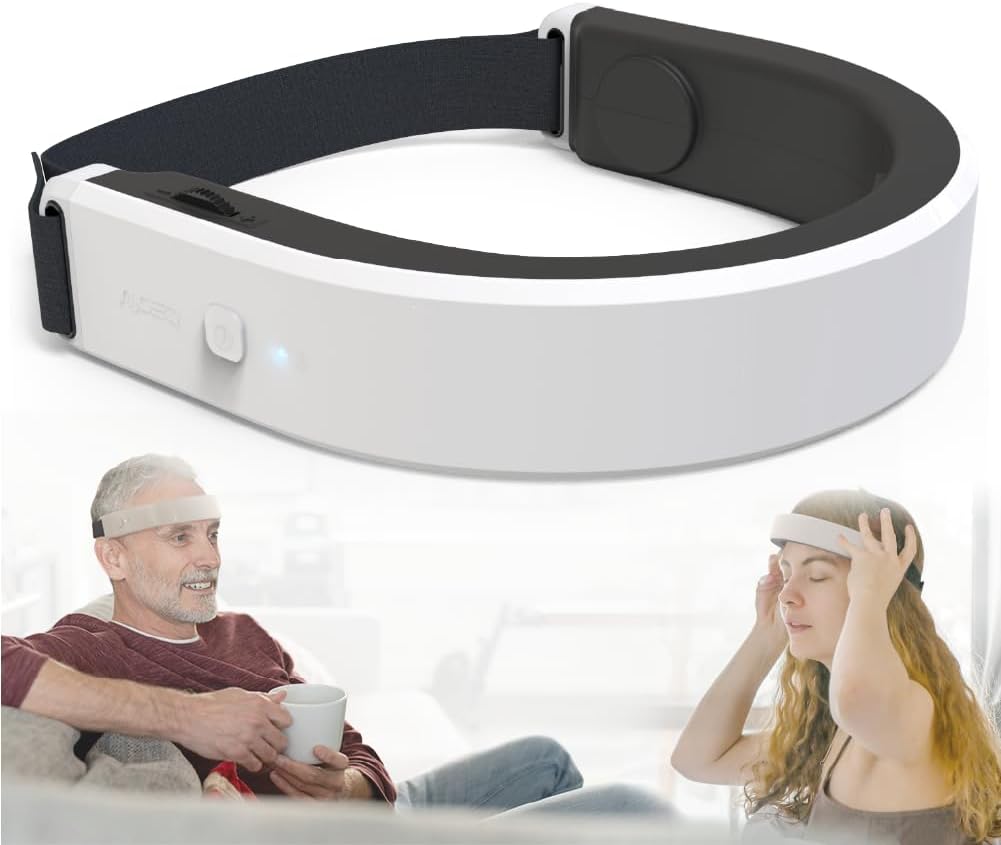
BLUEWAKE™ Blue Light Cognitive Vitality and Performance
Most popular choice right now
Frequently Asked Questions
What are the Best Anxiety Calming Tools For Bedtime?
The Best Anxiety Calming Tools For Bedtime include a range of natural techniques such as mindfulness meditation, aromatherapy with essential oils, progressive muscle relaxation, bedtime journaling, herbal teas, sound therapy, gentle yoga, and the wise use of technology to minimize sleep disruptions.
How can mindfulness meditation help with sleep?
Mindfulness meditation assists by focusing the mind on the present, reducing racing thoughts and stress. This practice can help lower the body’s stress hormones and foster an atmosphere conducive to deep, restorative sleep.
Is aromatherapy effective for reducing bedtime anxiety?
Yes, aromatherapy can be effective. Essential oils like lavender, chamomile, and bergamot are known for their calming effects, and they help create an environment that signals your brain to relax, thus reducing anxiety.
What role does progressive muscle relaxation play in sleep quality?
Progressive muscle relaxation targets the body’s tension by guiding you to systematically tense and relax various muscle groups. This method helps release physical tension and supports mental relaxation, making it easier to transition into sleep.
Can I use technology to track my sleep without it causing distractions?
Absolutely. Sleep tracking apps and mindfulness tools can provide valuable insights when used consistently. The key is to set boundaries—such as limiting screen time before bed—to prevent technology from interfering with your natural sleep process.
What should I consider when setting up my sleep environment?
When designing a sleep-friendly environment, focus on maintaining a cool temperature, dim lighting, minimal noise, and comfortable bedding. Using strategies like essential oils or white noise machines can further promote relaxation.
Is it beneficial to include calming herbal teas in my bedtime routine?
Yes, herbal teas such as chamomile, lavender, and valerian root can have a soothing effect on the mind and body. A warm cup before bed can signal your system to begin the winding-down process, contributing to improved sleep quality.
How long should I practice these techniques before noticing an improvement in my sleep?
While results vary from person to person, consistency is key. Incorporate these strategies into your nightly routine for at least a few weeks to notice a significant improvement in anxiety levels and overall sleep quality.
Are there any risks associated with these natural methods?
Generally, these methods are safe for most individuals. However, if you have specific health concerns or conditions, it is advisable to consult with a healthcare provider before making any changes to your sleep routine.
Integrating the Best Anxiety Calming Tools For Bedtime Into Your Daily Routine
By following the guidelines provided, I have found that integrating these tools can lead to a noticeable improvement in sleep quality. To recap, the approach involves adopting a consistent daily structure, creating an environment that promotes calm, and establishing a bedtime routine that systematically addresses anxiety. The following points summarize practical steps:
- Select a consistent bedtime and wake-up time to stabilize your internal clock.
- Set up your bedroom with dim lighting, a cool environment, and minimal distractions.
- Choose one or two techniques—such as mindfulness meditation paired with aromatherapy—to begin your wind-down ritual.
- Experiment with different methods such as journaling, stretching, or listening to calming audio until you discover what works best for you.
- Use technology only as a tool for monitoring and not as a
SleepFlow Recommended Products






As an Amazon Associate, we earn from qualifying purchases.

This article was written by Rozen and reviewed by the TheSleepFlow Editorial Team for accuracy.
Rozen is the founder of The Sleep Flows, a research-driven platform focused on evidence-based sleep optimization and cognitive performance. His journey into sleep science began through personal experience, after struggling with insomnia and anxiety and discovering how profoundly sleep quality impacts mental clarity, productivity, and overall health.
Rozen specializes in synthesizing peer-reviewed sleep research, testing sleep technologies and routines, and documenting real-world experiments to translate complex sleep science into practical, actionable insights for everyday life.Content published on The Sleep Flows is for educational purposes only and does not replace professional medical advice