
Best Sleep Tracking Technology
Sleep tracking has evolved from simple movement detection into advanced systems that analyze multiple physiological signals. Modern sleep tracking technology combines hardware, sensors, and software to provide a clearer picture of sleep quality and long-term patterns.
Sleep tracking technology is designed to help users understand how their habits, environment, and routines affect sleep. When used consistently, it supports data-driven decisions that lead to better sleep quality over time.
This guide explains how sleep tracking technology works, who benefits most, what components matter, and how to evaluate it for effective sleep optimization.
What Is Sleep Tracking Technology?
Sleep tracking technology refers to integrated systems that collect, process, and analyze sleep-related data using hardware and software.
It typically involves:
wearable or bed-based sensors
biometric signal detection
sleep analysis algorithms
trend-based reporting tools
insight-driven recommendations
Rather than focusing on one device, sleep tracking technology works as an ecosystem.
Why Sleep Tracking Technology Can Improve Sleep Quality
Modern sleep tracking technology improves sleep optimization by providing a holistic view of sleep. It helps by:
capturing multiple sleep signals simultaneously
identifying long-term sleep trends
connecting behaviors to sleep outcomes
supporting personalized sleep adjustments
reducing reliance on guesswork
When used correctly, it shifts sleep improvement from trial-and-error to informed action.
Who Sleep Tracking Technology Is Best For
Sleep tracking technology is especially useful for:
adults focused on optimizing sleep quality
users tracking sleep over months or years
individuals using multiple sleep devices
people interested in data-driven health decisions
those improving sleep through habit refinement
It may be less useful for people unwilling to engage with data insights.
How We Evaluated Sleep Tracking Technology
We focused on technology ecosystems that:
integrate hardware and software seamlessly
provide consistent and reliable data
emphasize trend analysis over daily scores
offer clear and actionable insights
support long-term sleep tracking
Usability and insight clarity mattered more than feature quantity.
Core Components of Sleep Tracking Technology
1. Data Collection Hardware
wearables, sensors, or smart mattresses
reliable signal detection
2. Sleep Analysis Software
algorithms that process sleep data
stage and trend interpretation
3. Insight & Reporting Tools
visual trend summaries
habit-linked recommendations
4. Integration Capabilities
compatibility with multiple devices
centralized data management
Effective sleep tracking technology connects all components smoothly.
Sleep Tracking Technology vs Individual Trackers
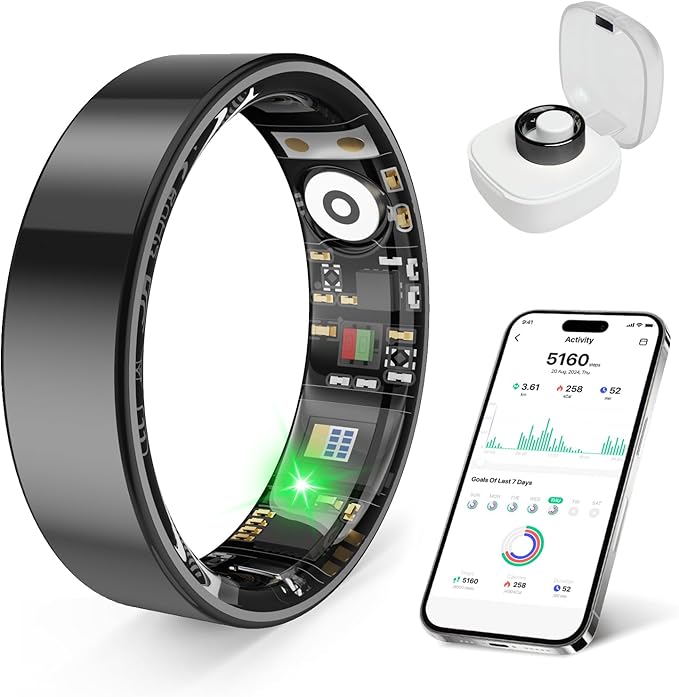
Integrated Sleep Tracking Technology
holistic sleep insights
long-term optimization focus
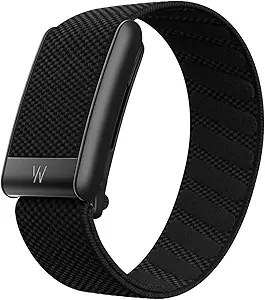
Single Sleep Trackers
limited data scope
isolated metrics
Technology ecosystems provide broader context than standalone devices.
Common Mistakes to Avoid
focusing on single metrics
switching platforms frequently
ignoring long-term trends
overreacting to short-term changes
using technology without habit consistency
Sleep technology works best when paired with stable routines.
Frequently Asked Questions
Is sleep tracking technology accurate?
It is effective for identifying trends rather than diagnosing conditions.
Does more technology mean better sleep?
Only when insights are applied consistently.
Can sleep tracking technology replace sleep studies?
No, it supports lifestyle optimization, not medical diagnosis.
How long before results are noticeable?
Meaningful patterns typically emerge after weeks of consistent tracking.
Final Thoughts
Sleep tracking technology brings structure and clarity to sleep optimization. By combining data collection, analysis, and actionable insights, it helps users understand sleep patterns and improve sleep quality over time.
For adults committed to long-term, data-driven sleep improvement, sleep tracking technology is a powerful and practical solution.