
Best Sleep Tracking Sensors
Accurate sleep tracking depends on the quality and placement of sensors that capture movement, breathing, and physiological signals during the night. For adults focused on understanding sleep patterns without wearables, sleep tracking sensors provide a precise and passive solution.
Sleep tracking sensors are designed to detect subtle sleep-related signals through contactless or under-mattress technology. When used consistently, they deliver reliable data that helps users analyze sleep quality and make informed adjustments over time.
This guide explains how sleep tracking sensors work, who benefits most, what features matter, and how to evaluate them for long-term sleep optimization.
What Are Sleep Data Analysis Tools?
Sleep data analysis tools are software platforms that process and interpret sleep tracking data collected from wearables, sensors, or sleep devices.
They typically analyze:
sleep duration and consistency
sleep stage trends
movement and restlessness patterns
recovery and readiness indicators
correlations between habits and sleep quality
Their primary role is insight generation rather than data collection.
Why Sleep Data Analysis Tools Improve Sleep Quality
Sleep optimization depends on understanding trends, not isolated nights. Sleep data analysis tools help by:
identifying recurring sleep disruptions
highlighting consistency and timing issues
connecting behaviors with sleep outcomes
tracking long-term progress
reducing guesswork in sleep improvement
Clear interpretation leads to smarter habit adjustments.
Who Sleep Data Analysis Tools Are Best For
Sleep data analysis tools are especially useful for:
adults tracking sleep over long periods
users collecting data from multiple devices
people optimizing sleep routines
individuals focused on measurable improvement
data-driven sleepers
They may be less useful for people who do not track sleep consistently.
How We Evaluated Sleep Data Analysis Tools
We focused on tools that:
provide clear trend-based insights
avoid overly simplistic scoring systems
integrate data from multiple sources
present information in an understandable way
support long-term analysis
Insight quality mattered more than visual design.
Key Features to Look For in Sleep Data Analysis Tools
1. Trend Visualization
multi-week and monthly views
clear consistency tracking
2. Insight Explanations
context for sleep changes
behavior-linked analysis
3. Data Integration
compatibility with wearables and sensors
reliable data syncing
4. Actionable Recommendations
guidance based on trends
habit-focused suggestions
Types of Sleep Data Analysis Tools
1. Device-Integrated Platforms
Best for: Seamless tracking
optimized for specific hardware
stable data pipelines
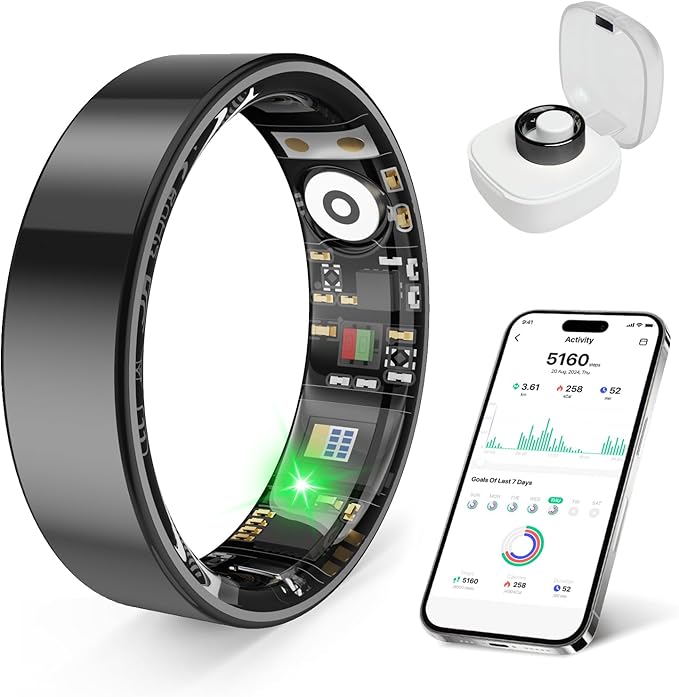
Types of Sleep Data Analysis Tools
1. Device-Integrated Platforms
Best for: Seamless tracking
optimized for specific hardware
stable data pipelines
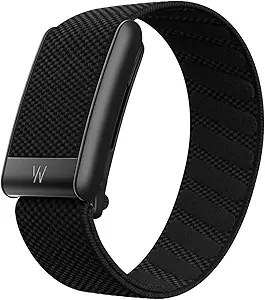
2. Multi-Device Analysis Tools
Best for: Advanced users
combine data from multiple trackers
broader insight generation
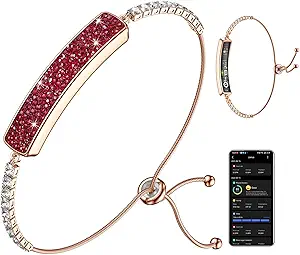
3. Sleep Coaching Platforms
Best for: Guided optimization
insights paired with recommendations
habit-based feedback
Common Mistakes to Avoid
focusing on nightly scores only
changing habits too frequently
ignoring long-term trends
overanalyzing minor fluctuations
relying on data without context
Sleep data is most useful when viewed holistically.
Frequently Asked Questions
Do sleep data analysis tools improve sleep?
They help users identify patterns that support better sleep decisions.
Are these tools accurate?
Accuracy depends on the quality of input data and algorithms used.
Can they replace sleep specialists?
No, they support lifestyle optimization, not diagnosis.
How long before insights become useful?
Trends usually emerge after several weeks of consistent tracking.
Final Thoughts
Sleep data analysis tools bridge the gap between raw sleep tracking and meaningful improvement. By turning data into insights, they help users understand what truly affects their sleep and how to optimize it over time.
For adults committed to data-driven sleep improvement, sleep data analysis tools are an essential part of modern sleep technology.
SleepFlow Recommended Products






As an Amazon Associate, we earn from qualifying purchases.

This article was written by Rozen and reviewed by the TheSleepFlow Editorial Team for accuracy.
Rozen is the founder of The Sleep Flows, a research-driven platform focused on evidence-based sleep optimization and cognitive performance. His journey into sleep science began through personal experience, after struggling with insomnia and anxiety and discovering how profoundly sleep quality impacts mental clarity, productivity, and overall health.
Rozen specializes in synthesizing peer-reviewed sleep research, testing sleep technologies and routines, and documenting real-world experiments to translate complex sleep science into practical, actionable insights for everyday life.Content published on The Sleep Flows is for educational purposes only and does not replace professional medical advice