
Best Sleep Tracking Sensors
Accurate sleep tracking depends on the quality and placement of sensors that capture movement, breathing, and physiological signals during the night. For adults focused on understanding sleep patterns without wearables, sleep tracking sensors provide a precise and passive solution.
Sleep tracking sensors are designed to detect subtle sleep-related signals through contactless or under-mattress technology. When used consistently, they deliver reliable data that helps users analyze sleep quality and make informed adjustments over time.
This guide explains how sleep tracking sensors work, who benefits most, what features matter, and how to evaluate them for long-term sleep optimization.
What Are Sleep Tracking Sensors?
Sleep tracking sensors are hardware components that monitor sleep-related activity through motion, pressure, or biometric signal detection.
They typically track:
sleep duration
movement and restlessness
breathing patterns
heart rate (sensor-dependent)
sleep consistency over time
Most sensors operate passively and do not require direct contact with the body.
Why Sleep Tracking Sensors Can Improve Sleep Quality
Sleep tracking sensors improve sleep optimization by capturing subtle nighttime signals. They help by:
detecting micro-movements and restlessness
monitoring breathing rhythm changes
collecting data without wearables
supporting consistent long-term tracking
enabling data-driven sleep adjustments
Their passive nature increases nightly compliance and data reliability.
Who Sleep Tracking Sensors Are Best For
Sleep tracking sensors are especially useful for:
adults avoiding wearable devices
individuals focused on passive monitoring
people tracking sleep consistency
users interested in environmental sleep impact
those optimizing long-term sleep habits
They may be less suitable for frequent travelers or temporary sleeping arrangements.
How We Evaluated Sleep Tracking Sensors
We focused on sensors that:
provide consistent signal detection
capture accurate movement and breathing data
integrate with sleep analysis software
maintain stability over time
require minimal user interaction
Signal consistency mattered more than advanced automation features.
Key Features to Look For in Sleep Tracking Sensors
1. Sensor Sensitivity
accurate detection of subtle movements
reliable breathing rhythm monitoring
2. Placement Options
under-mattress or bedside placement
minimal interference with sleep comfort
3. Data Integration
compatibility with sleep tracking apps
clear data visualization
4. Reliability
consistent nightly data
durable sensor design
Sleep Tracking Sensors vs Other Sleep Trackers
Sleep Tracking Sensors
passive and unobtrusive
no wearable required
fixed placement
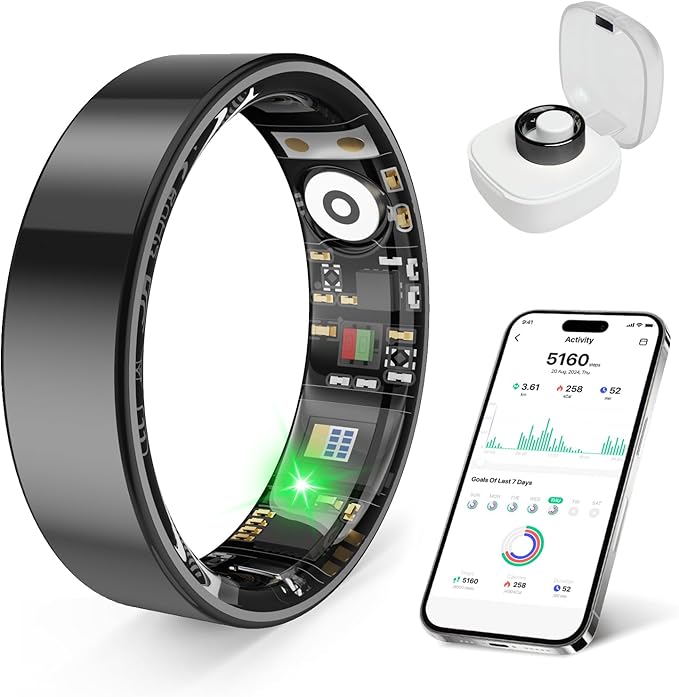
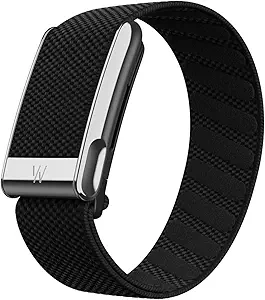
Wearables
portable and versatile
may affect comfort
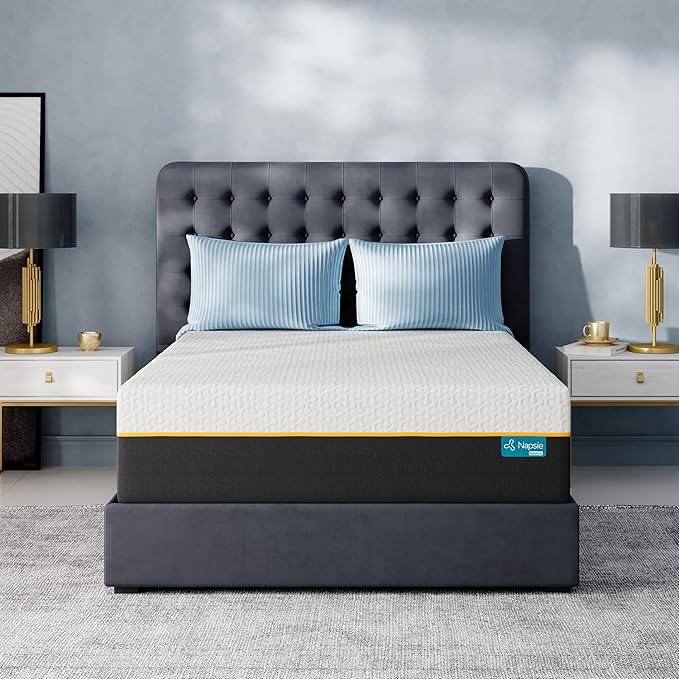
Smart Mattresses
integrated tracking
higher cost and limited portability
Sensors balance accuracy and comfort for stationary sleep tracking.
Common Mistakes to Avoid
incorrect sensor placement
frequent repositioning
expecting clinical-level diagnostics
relying on short-term data
ignoring calibration guidance
Stable placement improves long-term insights.
Frequently Asked Questions
Are sleep tracking sensors accurate?
They are effective for monitoring trends and restlessness patterns.
Do sensors track sleep stages?
Most estimate stages indirectly using movement and breathing data.
Can sensors track multiple sleepers?
Some support dual tracking depending on design.
Do sleep tracking sensors require subscriptions?
Some platforms include optional subscription services.
Final Thoughts
Sleep tracking sensors provide a passive and precise way to monitor sleep without wearables. By capturing consistent data on movement and breathing, they help users understand sleep quality and identify patterns that influence rest.
For adults focused on unobtrusive, data-driven sleep optimization, sleep tracking sensors are a practical and effective solution.