
Best Wearable Sleep Trackers
Wearable sleep trackers provide continuous insight into sleep and recovery by monitoring the body directly throughout the night. For adults interested in detailed biometric data, wearables offer one of the most comprehensive approaches to sleep tracking.
Wearable sleep trackers are designed to collect data on sleep stages, movement, heart rate, and recovery signals. When used consistently, they help identify sleep patterns, recovery trends, and behaviors that influence sleep quality.
This guide explains how wearable sleep trackers work, who benefits most, what features matter, and how to evaluate them for effective sleep optimization.
What Are Wearable Sleep Trackers?
Wearable sleep trackers are devices worn on the body—most commonly on the wrist or finger—that monitor sleep-related metrics during rest.
They typically track:
sleep duration
sleep stages
movement and restlessness
heart rate and variability
recovery and readiness indicators
Because they are worn directly, they can collect detailed biometric data throughout the night.
Why Wearable Sleep Trackers Can Improve Sleep Quality
Wearable trackers support sleep optimization by capturing real-time physiological data. They help by:
revealing sleep consistency and duration
identifying restless or fragmented sleep
tracking recovery and stress indicators
highlighting correlations between habits and sleep
supporting data-driven sleep improvements
Consistent usage across weeks provides the most meaningful insights.
Who Wearable Sleep Trackers Are Best For
Wearable sleep trackers are especially useful for:
adults focused on sleep and recovery
people tracking fitness and sleep together
individuals who tolerate wearing devices at night
users interested in detailed biometric insights
those optimizing performance and rest
They may be less suitable for people sensitive to wearing devices while sleeping.
How We Evaluated Wearable Sleep Trackers
We focused on wearables that:
provide consistent sleep stage tracking
collect reliable heart rate data overnight
offer actionable sleep insights
are comfortable for long-term use
support trend analysis over time
Comfort and data reliability mattered more than feature quantity.
Key Features to Look For in Wearable Sleep Trackers
1. Sleep Stage Tracking
reliable detection of sleep phases
consistent nightly reporting
2. Heart Rate & Recovery Metrics
overnight heart rate monitoring
heart rate variability insights
3. Comfort & Battery Life
lightweight design
multi-day battery performance
4. Data Interpretation
clear insights tied to habits
trend-based recommendations
Wearable Sleep Trackers vs Other Sleep Technologies
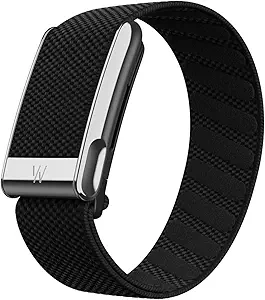
Wearables
detailed biometric data
portable and versatile
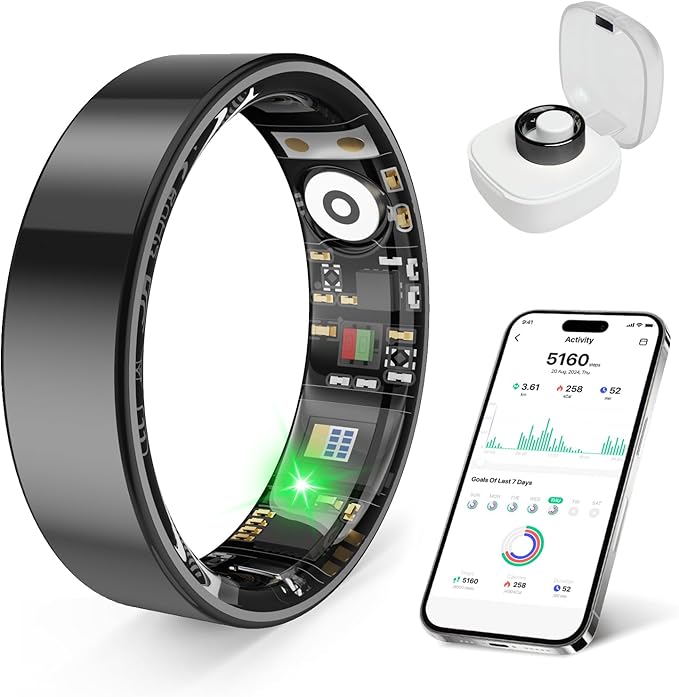
Smart Rings
discreet and lightweight
limited interface
Bed-Based Trackers
passive tracking
no wearable required
Wearables provide the most comprehensive data but require nightly wear.
Common Mistakes to Avoid
wearing devices too loosely or tightly
obsessing over nightly scores
ignoring long-term trends
changing habits too frequently
relying on wearables without lifestyle context
Sleep tracking should guide behavior, not create stress.
Frequently Asked Questions
Are wearable sleep trackers accurate?
They are reliable for tracking trends and relative changes over time.
Do wearables track naps?
Many devices track longer naps automatically.
Can wearable trackers diagnose sleep disorders?
No, they are not diagnostic tools.
Should wearables be worn every night?
Yes, consistent use improves data quality.
Final Thoughts
Wearable sleep trackers offer detailed insight into sleep patterns, recovery, and consistency. By providing continuous biometric data, they help users make informed decisions that support better sleep quality.
For adults committed to data-driven sleep optimization, wearable sleep trackers are one of the most effective sleep technologies available.