
Best Sleep-Support Vitamins
Sleep difficulties are often linked to stress, nervous system overstimulation, or difficulty winding down at night. For many people, gentle plant-based remedies provide a way to support relaxation without relying on synthetic sleep aids.
Herbal sleep remedies are traditionally used to calm the nervous system, reduce mental tension, and support the body’s natural transition into sleep. When chosen carefully, they can be used regularly as part of a long-term sleep optimization routine.
This guide explains how herbal sleep remedies work, who they’re best for, which herbs matter, and how to choose the right option for improving sleep quality.
Sleep quality is influenced not only by routines and environment, but also by nutritional status. Deficiencies in certain vitamins can interfere with neurotransmitter balance, hormone regulation, and the body’s ability to relax at night.
Sleep-support vitamins are designed to help fill nutritional gaps that may affect sleep onset, sleep depth, and recovery. When used correctly, they can support long-term sleep quality as part of a broader sleep optimization approach.
This guide explains how sleep-support vitamins work, who benefits most, which vitamins matter, and how to choose the right option for better sleep quality.
What Are Sleep-Support Vitamins?
Sleep-support vitamins are supplements that provide specific micronutrients involved in sleep regulation, nervous system function, and circadian rhythm balance.
They are commonly used to:
support neurotransmitter production
assist hormone regulation related to sleep
improve relaxation and recovery
support consistent sleep patterns
They do not act as sedatives, but instead support underlying biological processes.
Why Sleep-Support Vitamins Can Improve Sleep Quality
Vitamins play a role in many pathways that influence sleep. Sleep-support vitamins help by:
supporting melatonin synthesis
assisting serotonin and GABA production
improving nervous system stability
supporting stress resilience
promoting more restorative sleep
When deficiencies are present, correcting them can noticeably improve sleep quality.
Who Sleep-Support Vitamins Are Best For
Sleep-support vitamins are especially useful for:
adults with inconsistent sleep quality
people under chronic stress
individuals with limited dietary variety
those experiencing fatigue alongside sleep issues
people optimizing long-term sleep health
They may be less impactful when sleep problems are unrelated to nutritional factors.
How We Evaluated Sleep-Support Vitamins
We focused on supplements that:
provide bioavailable vitamin forms
avoid excessive dosages
exclude unnecessary stimulants
are suitable for nightly or regular use
prioritize balanced formulations
Quality and absorption mattered more than high-dose claims.
Key Vitamins That Support Sleep
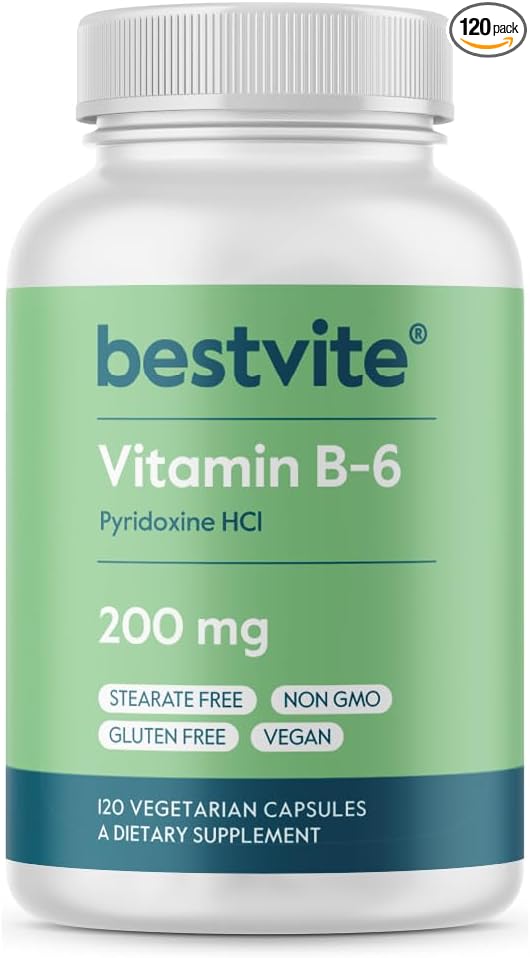
1. Vitamin B6
supports neurotransmitter production
involved in melatonin synthesis
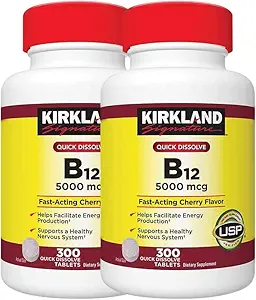
2. Vitamin B12
supports circadian rhythm regulation
influences sleep–wake signaling
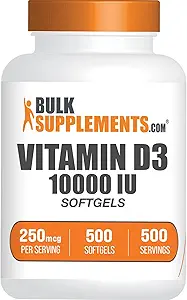
3. Vitamin D
associated with sleep duration and quality
supports overall hormonal balance
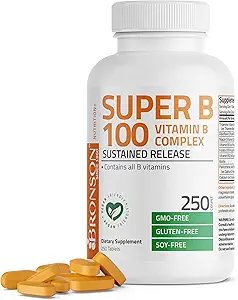
4. Folate (Vitamin B9)
involved in nervous system function
supports mood and relaxation
Balanced intake is more effective than megadoses of a single vitamin.
Types of Sleep-Support Vitamin Supplements
1. Single-Vitamin Supplements
Best for: Correcting specific deficiencies
targeted approach
easier dosing control
2. Vitamin Complexes
Best for: Broad nutritional support
multiple sleep-relevant vitamins
balanced formulations
3. Combined Vitamin & Mineral Blends
Best for: Comprehensive sleep support
vitamins paired with minerals like magnesium
convenient single-product approach
Common Mistakes to Avoid
taking high doses without need
using stimulating vitamin forms late at night
combining multiple vitamin products unnecessarily
expecting immediate results
ignoring dietary sources
Vitamin support works best as part of a consistent routine.
Frequently Asked Questions
Do sleep-support vitamins really help with sleep?
They can improve sleep quality when deficiencies or imbalances are present.
Are vitamins safe for nightly use?
Yes, when taken within recommended ranges.
How long do vitamins take to affect sleep?
Improvements may take days to weeks depending on nutritional status.
Should vitamins be taken at night?
Some are best taken earlier in the day; timing depends on the vitamin.
Final Thoughts
Sleep-support vitamins address nutritional factors that influence sleep regulation and recovery. By supporting the body’s underlying systems, they can contribute to more consistent and restorative sleep over time.
For adults focused on optimizing sleep quality through foundational health, sleep-support vitamins can be a useful addition to a broader sleep strategy.