
Best Blue Light Blocking Glasses for Sleep (Reduce Evening Light Exposure Naturally)
Spending time on phones, laptops, and televisions in the evening exposes the eyes to artificial blue light, which can interfere with the body’s natural sleep–wake cycle. Blue light suppresses melatonin production, making it harder to feel sleepy at night and potentially delaying sleep onset.
Blue light blocking glasses are designed to reduce exposure to this type of light during the evening. By filtering specific wavelengths, they help create a more sleep-friendly environment without requiring major lifestyle changes.
This guide explains what blue light blocking glasses are, how they relate to sleep habits, and how to choose the right type based on evening routines and personal needs.
Best Blue Light Blocking Glasses for Sleep (Top Picks)
Blue light blocking glasses are eyewear designed with lenses that filter out short-wavelength blue light, typically emitted by LED lighting and digital screens. Unlike standard glasses, these lenses are engineered to reduce the specific light frequencies associated with melatonin suppression.
They are commonly worn in the evening, especially during screen use, to help maintain a natural circadian rhythm.
How blue light affects sleep habits
Blue light exposure in the evening can signal the brain to stay alert, even when the body is physically tired. This can lead to:
difficulty falling asleep
delayed bedtime
lighter, less restorative sleep
disrupted sleep schedules
Reducing blue light exposure before bed supports healthier sleep habits, particularly for people who rely on screens late in the day.
Do blue light blocking glasses help with sleep?
Blue light blocking glasses can be effective when used consistently during the evening hours. Studies and practical use suggest that limiting blue light exposure before bedtime may support melatonin release and improve sleep timing.
They are most useful for:
people who use screens after sunset
individuals with delayed sleep schedules
light-sensitive sleepers
those aiming to improve sleep routines without supplements
Types of blue light blocking glasses
Different lens types offer different levels of blue light reduction. Choosing the right type depends on how and when the glasses will be used.
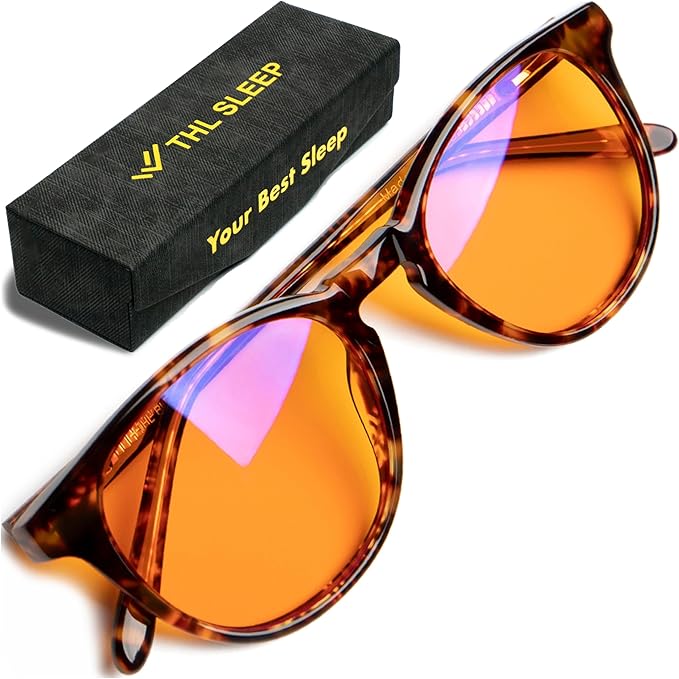
Amber or orange lens glasses
These lenses block a significant portion of blue light while still allowing relatively clear vision. They are suitable for:
evening screen use
watching television
reading on digital devices
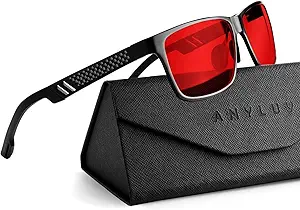
Red lens glasses
Red lenses provide the strongest blue and green light filtering. They are typically used closer to bedtime and are best for:
maximum light reduction
individuals with severe light sensitivity
use in the final hours before sleep
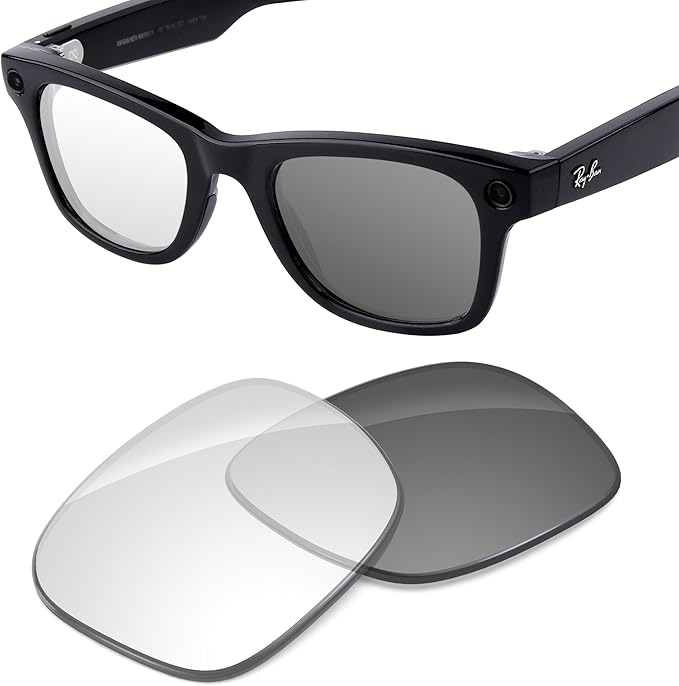
Clear or lightly tinted lenses
These lenses reduce only a small amount of blue light and are generally designed for daytime eye strain rather than sleep. They are less effective for improving nighttime sleep habits.
What to look for when choosing blue light blocking glasses
When selecting blue light blocking glasses for sleep, consider the following factors:
Lens color: darker lenses provide stronger filtering
Blocking range: lenses should target wavelengths below approximately 520 nm
Comfort: lightweight frames are easier to wear for extended periods
Fit: glasses should sit comfortably without pressure
Compatibility: options are available for prescription wearers
The effectiveness of the glasses depends more on lens filtering than on brand or appearance.
How to use blue light blocking glasses effectively
For best results:
wear glasses 2–3 hours before bedtime
use them during screen exposure and indoor lighting
combine with dim, warm lighting in the evening
remove them once lights are turned off
They are most effective when used consistently as part of a regular evening routine.
Who benefits most from blue light blocking glasses?
Blue light blocking glasses may be helpful for:
remote workers and students
people living in brightly lit homes or cities
individuals struggling with late bedtimes
those looking for non-invasive sleep support
They are often used as a practical first step toward improving sleep habits.
Summary
Blue light blocking glasses are a simple lifestyle tool designed to reduce evening light exposure from screens and artificial lighting. When used properly, they can support healthier sleep routines by minimizing disruptions to the body’s natural sleep signals.
For people seeking a non-supplement approach to improving sleep habits, blue light blocking glasses are a practical and widely used option.