
Best Aromatherapy Products for Stress & Sleep (Scents That Support Relaxation)
Aromatherapy is widely used as a gentle, non-drug way to support relaxation before sleep. Certain scents are commonly associated with calming routines and may help signal the body that it’s time to wind down—especially when stress or anxiety makes relaxation difficult.
This guide explains which aromatherapy products are commonly used for stress and sleep, how they’re used, and how to choose options that fit into a consistent bedtime routine.
This page is informational and not medical advice. Supplements are not a substitute for professional care.
How Aromatherapy Can Support Better Sleep
Aromatherapy works primarily through sensory association and routine reinforcement. When the same calming scent is used nightly, it can become a cue that signals relaxation and sleep readiness.
Common benefits people seek include:
Reduced pre-bed stress
Easier transition into rest
A calmer sleep environment
Fewer nighttime disruptions due to tension
Aromatherapy does not induce sleep. It supports the conditions for relaxation.
Who Aromatherapy Products Are Best For
Aromatherapy products are often chosen by people who:
Prefer non-ingestible sleep aids
Feel mentally or emotionally tense at night
Want to enhance bedtime routines
Are sensitive to supplements
Value simple, sensory-based solutions
They may be less effective if sleep issues are primarily medical in nature.
How We Evaluated Aromatherapy Products
We focused on products that:
Use commonly recognized calming scents
Are designed for evening or nighttime use
Are simple to use consistently
Are widely available and well-reviewed
Avoid overwhelming fragrances
Subtlety matters more than strength.
Scents Commonly Used for Stress & Sleep
Lavender
Best for: General relaxation and bedtime routines
Lavender is one of the most widely used scents for relaxation.
Often associated with calmness
Suitable for nightly use
Available in many formats
Chamomile
Best for: Gentle emotional calm
Often used in both teas and aromatherapy.
Soft, comforting scent
Pairs well with evening routines
Bergamot
Best for: Stress relief without sedation
A citrus scent often used for emotional balance.
Uplifting yet calming
Typically used in low concentrations at night
Cedarwood
Best for: Grounding and calm focus
Often described as warm and earthy.
Common in evening blends
Pairs well with lavender
Ylang-Ylang (Low Concentration)
Best for: Emotional relaxation
Used sparingly due to strong aroma.
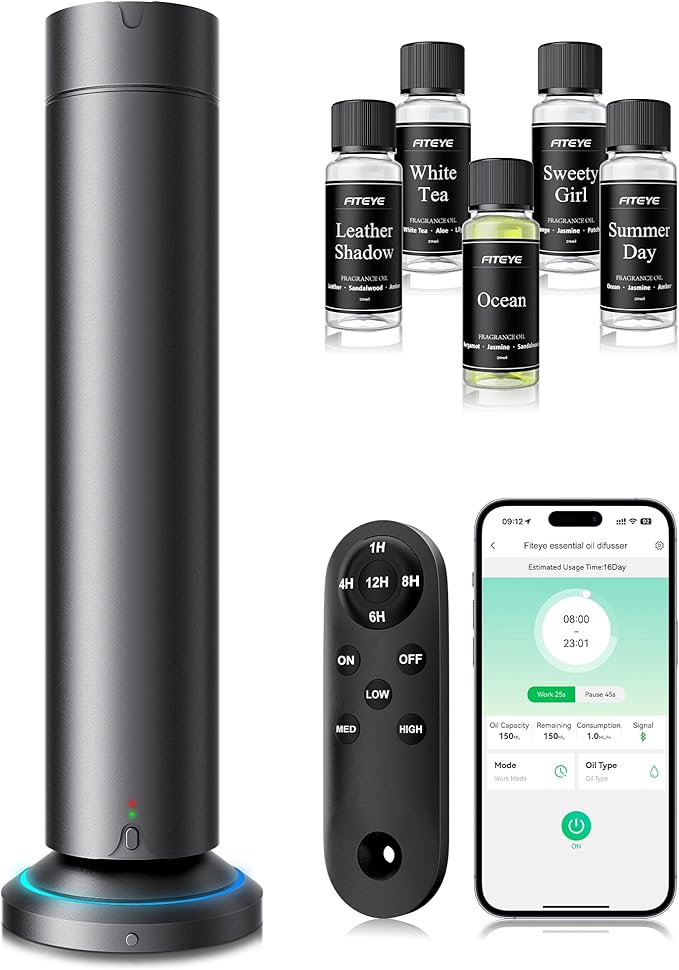
1. Essential Oil Diffusers
Best for: Whole-room aromatherapy
Diffusers disperse essential oils into the air using water or ultrasonic technology.
Why people use them:
Even scent distribution
Adjustable intensity
Can be part of a nightly routine
What to look for:
Quiet operation
Automatic shut-off
Low-light or no-light modes
Diffusers work best when used 30–60 minutes before bed.
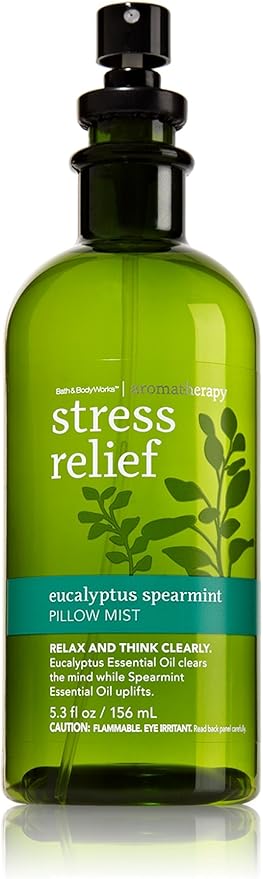
2. Pillow Sprays & Linen Mists
Best for: Targeted, low-intensity aromatherapy
Pillow sprays are applied directly to bedding for subtle scent exposure.
Advantages:
Simple and low maintenance
No device required
Easy to control intensity
They are ideal for people sensitive to strong scents.
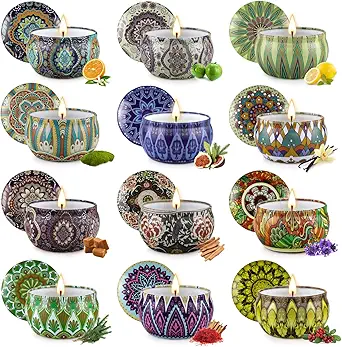
3. Aromatherapy Candles (Evening Use Only)
Best for: Wind-down routines before bed
Candles are typically used before sleep rather than overnight.
Benefits:
Warm, ambient light
Multi-sensory relaxation
Supports ritual-based routines
Choose candles made with clean-burning wax and subtle scents.
4. Roll-On Essential Oil Blends
Best for: Portable and personal use
Roll-ons are applied to pulse points such as wrists or neck.
Why people choose them:
Controlled application
Convenient for travel
No room diffusion
These are suitable for people who prefer personal scent zones.
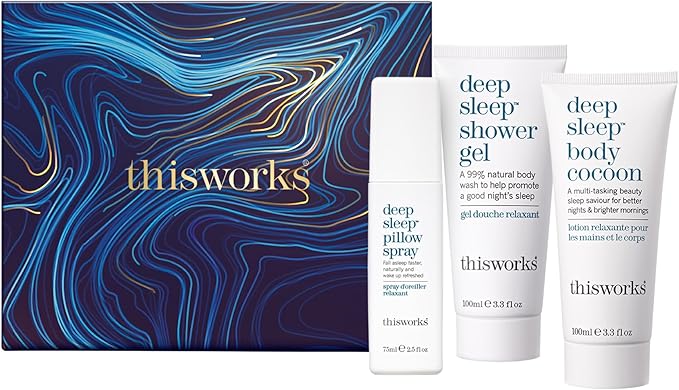
5. Aromatherapy Sleep Kits & Sets
Best for: Beginners or gift purchases
Sleep kits often include:
Essential oil blends
Small diffusers
Pillow sprays
They offer an easy entry point into aromatherapy routines.
How to Use Aromatherapy for Best Results
For effectiveness:
Use the same scent consistently
Keep intensity low
Combine with dim lighting
Avoid mixing many scents at once
Aromatherapy works best when it becomes part of a predictable routine.
Common Mistakes to Avoid
Using overly strong fragrances
Running diffusers all night at high intensity
Mixing too many scents
Expecting instant results
Less is more.
Safety Notes
Follow product instructions
Avoid direct skin application unless designed for it
Keep oils away from pets unless confirmed pet-safe
Stop use if irritation occurs
Quality and proper use matter.
Frequently Asked Questions
Does aromatherapy really help with sleep?
It can support relaxation and bedtime routines, which may improve sleep quality.
Can I use aromatherapy every night?
Yes, when used gently and as directed.
Are essential oils safe?
Most are safe when used properly and in appropriate dilution.
Can aromatherapy replace supplements?
It can be an alternative or complement, depending on individual needs.
Final Thoughts
Aromatherapy products offer a low-risk, routine-friendly way to support relaxation and stress reduction before sleep. The most effective options:
Use familiar calming scents
Are subtle rather than strong
Fit easily into nightly habits