
Best Smart Rings for Sleep Tracking (Accuracy, Comfort & Real Use)
Smart rings have become one of the most popular tools for sleep tracking, especially among people who want accurate data without wearing a bulky device at night. Unlike smartwatches, smart rings are lightweight, discreet, and designed for 24/7 wear—making them particularly well suited for sleep monitoring.
This guide explains how smart rings track sleep, what metrics actually matter, and how to choose the best smart ring for sleep tracking based on comfort, accuracy, and long-term usability.
This page is informational and not medical advice. Supplements are not a substitute for professional care.
Why Smart Rings Are Popular for Sleep Tracking
Sleep tracking works best when the device is:
Comfortable enough to wear all night
Consistent in data collection
Minimally intrusive
Smart rings meet these criteria better than most wearables.
People often choose smart rings because they:
Feel less noticeable than watches
Don’t emit light or vibration at night
Provide continuous data without daily interaction
Focus more on sleep and recovery than fitness alerts
For sleep-first users, this is a major advantage.
How Smart Rings Track Sleep
Smart rings estimate sleep stages and quality using a combination of:
Movement (actigraphy)
Heart rate
Heart rate variability (HRV)
Skin temperature trends
Breathing patterns (on some models)
They do not measure brain waves like clinical sleep studies. However, when worn consistently, they are effective at tracking trends over time, which is what matters most for sleep optimization.
Who Should Consider a Smart Ring for Sleep Tracking
Smart rings are especially useful for people who:
Remove watches at night
Find wrist devices uncomfortable during sleep
Want recovery-focused insights
Track sleep as part of a broader health routine
Prefer minimal interaction and notifications
They may be less ideal for:
People who want detailed workout metrics
Users who dislike rings or have finger sensitivity
Those who frequently remove jewelry
How We Evaluated Smart Rings
To keep this guide practical and unbiased, we focused on smart rings that:
Are designed for continuous wear
Provide detailed sleep and recovery metrics
Have stable apps and regular updates
Offer reliable battery life
Clearly explain how data is interpreted
Accuracy is important, but consistency and usability are more important than perfect precision.
Key Metrics That Matter for Sleep Tracking
When using a smart ring, focus on trends in:
Total sleep time
Sleep consistency
Nighttime heart rate
HRV trends
Temperature deviations
Sleep stage percentages can vary between devices. Long-term patterns are more reliable than nightly numbers.
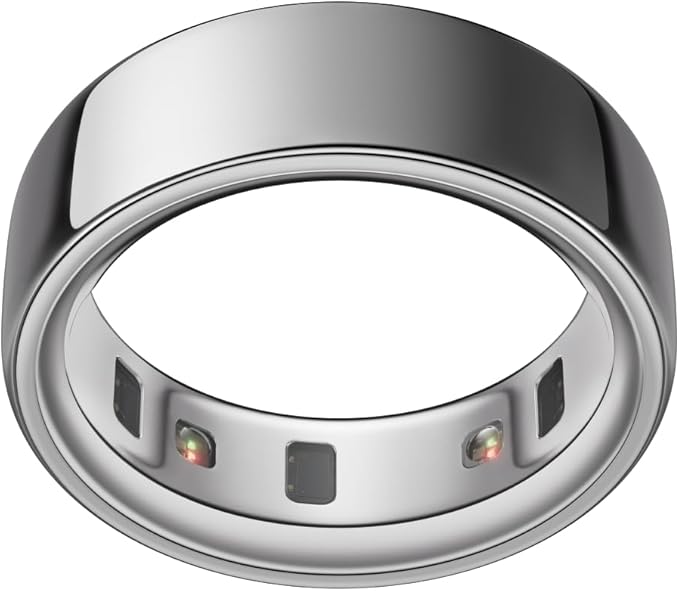
1. Premium Smart Rings (Advanced Sleep & Recovery Insights)
Best for: Data-driven users focused on sleep quality and recovery
Premium smart rings tend to offer the most detailed analysis, including recovery readiness and trend-based insights.
Why people choose premium models:
Advanced sleep staging
HRV-based recovery scores
Temperature trend tracking
Polished apps and dashboards
Considerations:
Higher upfront cost
Some require subscriptions
Sizing accuracy is critical
These are ideal for people who actively adjust routines based on sleep data.
2. Subscription vs No-Subscription Smart Rings
Subscription-Based Rings
Pros:
Deeper analytics
Regular feature updates
More personalized insights
Cons:
Ongoing cost
Less appealing for casual users
No-Subscription Rings
Pros:
One-time purchase
Simpler data presentation
Lower long-term cost
Cons:
Fewer advanced insights
Choose based on how actively you plan to use the data.
3. Comfort & Wearability (Critical for Sleep)
Comfort determines whether a ring is worn consistently.
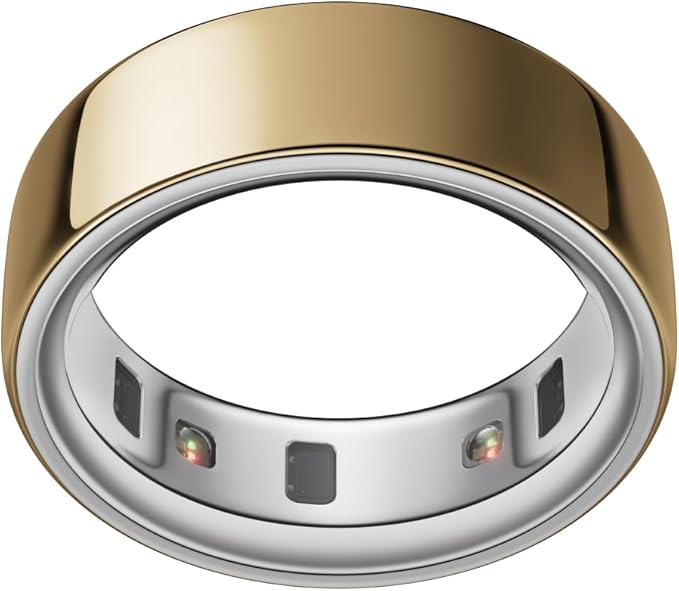
What affects comfort:
Ring thickness
Inner surface design
Weight distribution
Proper sizing
A poorly fitting ring will reduce sleep tracking accuracy because it won’t be worn consistently.
4. Battery Life & Charging
Most smart rings offer:
4–7 days of battery life
Charging via a small dock or case
Longer battery life means:
Less charging disruption
More continuous sleep data
Better habit adherence
Charging frequency matters more than maximum battery capacity.
5. App Experience & Data Interpretation
A smart ring is only as useful as its app.
Look for:
Clear sleep summaries
Trend-focused insights
Simple explanations
Minimal notifications
Avoid apps that overwhelm you with raw data without context.
Smart Rings vs Smartwatches for Sleep Tracking
Smart Rings:
More comfortable at night
Fewer distractions
Strong focus on sleep and recovery
Smartwatches:
More fitness features
Larger screens
More alerts and interaction
If sleep is your primary goal, smart rings are often the better choice.
Common Mistakes to Avoid
Choosing the wrong size
Obsessing over nightly scores
Comparing data across different brands
Expecting medical-grade accuracy
Sleep tracking works best when used as feedback, not judgment.
How to Use a Smart Ring Effectively
For best results:
Wear it every night
Keep routines consistent
Make one change at a time
Review trends weekly, not daily
The goal is pattern recognition, not perfection.
Privacy & Data Considerations
Before purchasing, consider:
Data storage policies
App account requirements
Cloud vs local data handling
Most reputable brands clearly outline privacy practices in their apps.
Frequently Asked Questions
Are smart rings accurate for sleep tracking?
They are accurate enough for trend analysis, which is what matters for improving sleep habits.
Can smart rings detect sleep disorders?
No. They are not diagnostic tools, but they can highlight patterns worth discussing with a professional.
Do smart rings work for light sleepers?
Yes, especially because they are less intrusive than wrist devices.
Are smart rings worth the cost?
They can be valuable for people who use the data to adjust habits and routines.
Final Thoughts
Smart rings are one of the most comfortable and consistent ways to track sleep. The best option is one that:
Fits comfortably
Provides clear, trend-based insights
Matches your level of engagement
Encourages consistency rather than obsession