
Best Sleep Trackers for Accurate Sleep Data (What Actually Matters)
Sleep trackers have become increasingly popular among people who want to improve sleep quality, recovery, and overall health. Unlike generic sleep apps, dedicated sleep tracking devices provide objective data about sleep duration, consistency, and patterns that are difficult to assess subjectively.
This guide focuses on sleep trackers commonly used to monitor sleep quality, what they actually measure, and how to choose a device that fits your needs without overpaying for unnecessary features.
This page is informational and not medical advice. Supplements are not a substitute for professional care.
What Sleep Trackers Actually Measure (and What They Don’t)
Most consumer sleep trackers estimate sleep stages using a combination of:
Movement (actigraphy)
Heart rate
Heart rate variability (HRV)
Skin temperature changes
Breathing patterns (in some devices)
They do not directly measure brain waves like clinical sleep studies. Instead, they provide useful approximations that are consistent enough to track trends over time.
Sleep trackers are best used for:
Identifying patterns
Tracking consistency
Monitoring changes after lifestyle adjustments
They are less useful for diagnosing medical sleep disorders.
Who Benefits Most From a Sleep Tracker
Sleep trackers are particularly useful for people who:
Want to improve sleep consistency
Are testing supplements or sleep routines
Train regularly and care about recovery
Wake up tired without knowing why
Prefer data-driven decision-making
They are less useful if:
You already sleep well and feel rested
Data increases anxiety around sleep
How We Evaluated Sleep Trackers
To keep this guide practical, we focused on devices that offer:
Reliable overnight tracking
Comfortable wear during sleep
Clear data presentation
Reasonable battery life
Established ecosystems and updates
Accuracy is relative. Consistency and trend tracking matter more than perfect precision.
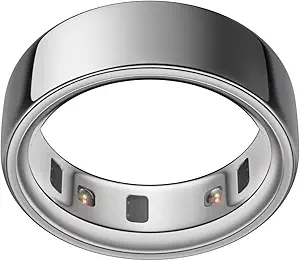
1. Smart Rings (Discreet & Comfortable)
Best for: People who dislike wearing watches at night
Smart rings are designed specifically for 24/7 wear and are often considered the most comfortable sleep trackers.
Why people choose smart rings:
Lightweight and unobtrusive
Strong focus on sleep and recovery
Long battery life
Typical features:
Sleep stages (estimated)
HRV trends
Body temperature deviation
Recovery scores
Considerations:
Higher upfront cost
Sizing must be correct
Smart rings are often favored by people who prioritize sleep quality data over fitness features.
2. Smartwatches With Advanced Sleep Tracking
Best for: Users who want sleep + daytime activity tracking
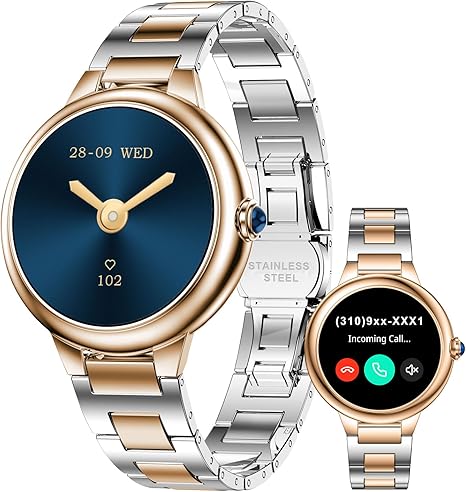
Many modern smartwatches offer advanced sleep tracking alongside fitness and health metrics.
Advantages:
Multi-purpose device
Large ecosystem of apps
Good visualization of trends
Common sleep metrics:
Sleep duration
Sleep stages
Nighttime heart rate
Breathing rate (on some models)
Downsides:
Bulkier than rings
Shorter battery life on some models
These are suitable for people who want one device for both sleep and daily activity.
3. Dedicated Sleep Trackers (Non-Wearable)
Best for: People who don’t want to wear anything at night
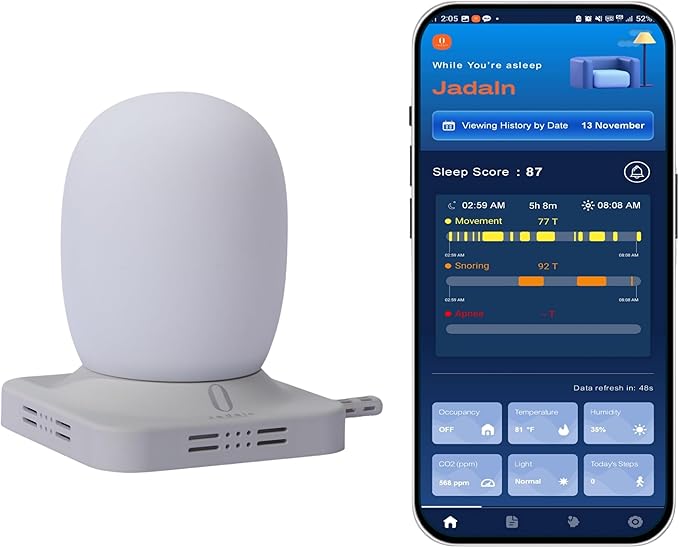
Some sleep trackers are placed under the mattress or beside the bed.
Why people choose them:
No device on the body
Automatic tracking
Simple setup
Limitations:
Less individualized data
May be affected by bed partners
Limited portability
These are best for users who value convenience over detailed metrics.
4. Fitness Bands (Budget-Friendly Option)
Best for: Entry-level sleep tracking
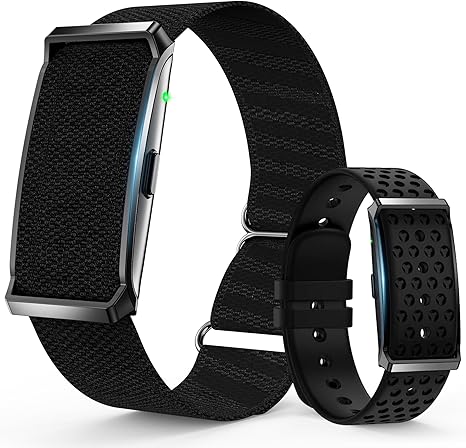
Fitness bands provide basic sleep tracking at a lower price point.
Pros:
Affordable
Lightweight
Simple data overview
Cons:
Fewer advanced metrics
Less detailed analysis
They are suitable for people who want basic awareness, not deep analysis.
What Metrics Matter Most for Sleep Optimization
When reviewing sleep tracker data, prioritize:
Sleep duration consistency
Time asleep vs time in bed
Nighttime heart rate trends
HRV trends over time
Sleep stage percentages can vary between devices. Trends are more useful than nightly numbers.
How Sleep Trackers Fit Into a Sleep Optimization System
Sleep trackers are most effective when used alongside:
Sleep-friendly routines
Supplement testing (one change at a time)
Environmental improvements
Stress management practices
They help answer questions like:
“Did this change actually improve my sleep?”
“Am I sleeping consistently?”
Without behavior changes, data alone does not improve sleep.
Common Mistakes to Avoid
Obsessing over nightly scores
Comparing numbers across different brands
Making multiple changes at once
Expecting medical-grade accuracy
Use sleep trackers as feedback tools, not judges.
Frequently Asked Questions
Are sleep trackers accurate?
They are reasonably accurate for trends, not clinical diagnosis.
Do I need a sleep tracker to improve sleep?
No. They are helpful but not required.
Can sleep trackers cause anxiety?
For some people, yes. If data increases stress, reduce usage or stop.
Are more expensive trackers better?
Not always. Comfort and consistency matter more than features.
Final Thoughts
Sleep trackers can provide valuable insights into sleep patterns when used correctly. The best device is one that:
You can wear comfortably
Provides consistent data
Fits your lifestyle and budget
Focus on long-term trends, not nightly fluctuations.