
Best Supplements for Deep Sleep (Evidence-Based Guide)
Getting enough hours of sleep is not the same as getting deep, restorative sleep. Many people fall asleep quickly but still wake up feeling unrefreshed, tense, or mentally foggy. In most cases, the issue is not sleep duration — it’s sleep quality, particularly deep sleep stages.
Certain supplements can help support deeper sleep by addressing common blockers such as mineral deficiencies, nervous system overstimulation, or poor relaxation signaling. This guide focuses on supplements commonly used to support deep sleep, how they work, and how to choose the right option safely.
This page is informational and not medical advice. Supplements are not a substitute for professional care.
What “Best Supplements for Deep Sleep” Actually Means
Deep sleep (also called slow-wave sleep) is the stage responsible for:
Physical recovery
Muscle repair
Immune support
Memory consolidation
If deep sleep is consistently low, people often experience:
Morning fatigue despite 7–8 hours of sleep
Poor concentration
Higher stress sensitivity
Slower recovery from exercise
Supplements do not “force” deep sleep. Instead, the effective ones support the biological conditions that allow deep sleep to occur naturally.
How Sleep Supplements Support Deep Sleep
Most supplements that support deep sleep work in one or more of these ways:
Regulating minerals involved in muscle and nervous system relaxation
Supporting GABA activity, the brain’s primary calming neurotransmitter
Reducing nighttime cortisol or stress response
Improving sleep architecture, not just sleep onset
The goal is not sedation. The goal is stable, uninterrupted sleep cycles.
Key Criteria We Used to Evaluate Supplements
To keep this guide practical and unbiased, we focused on supplements that meet these criteria:
Well-studied ingredients
Appropriate for nightly or occasional use
Minimal habit-forming risk
Clear labeling and dosage transparency
Suitable for adult use when taken as directed
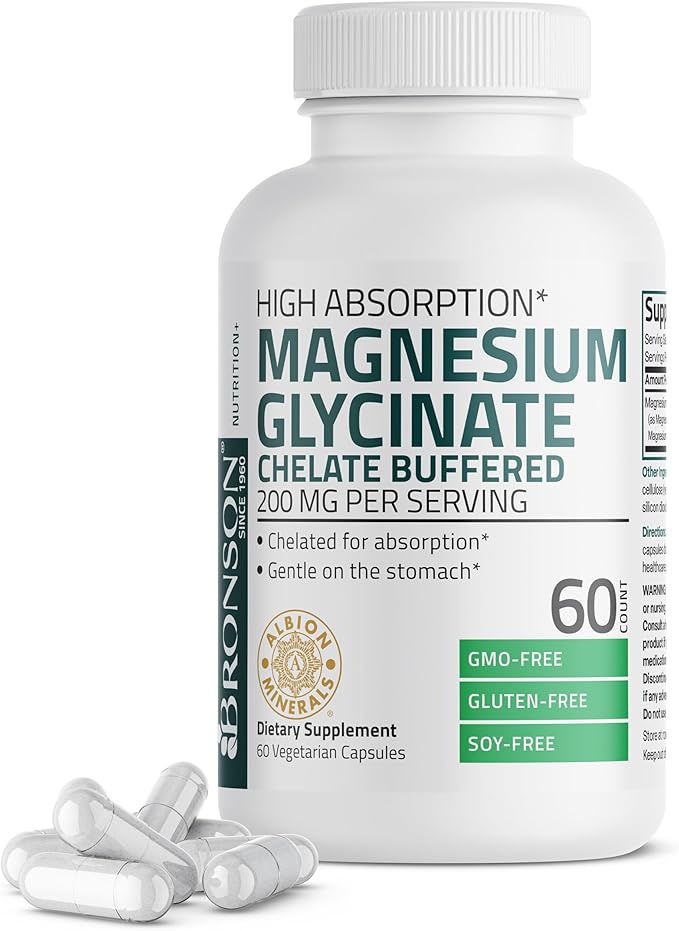
1. Magnesium (Especially Glycinate or Threonate)
Best for: Muscle relaxation, nervous system calm, sleep depth
Magnesium plays a critical role in regulating the nervous system and muscle function. Low magnesium levels are commonly associated with poor sleep quality, restlessness, and nighttime muscle tension.
Why it helps deep sleep:
Supports relaxation of the nervous system
Helps regulate GABA activity
May reduce nighttime awakenings
Forms to look for:
Magnesium Glycinate – gentle, calming, widely used
Magnesium L-Threonate – crosses the blood-brain barrier, often used for cognitive support and sleep depth
Who it’s suitable for:
People with stress-related sleep issues
Those experiencing muscle tension at night
Individuals sensitive to stimulants
Avoid magnesium oxide for sleep — it is poorly absorbed and primarily used as a laxative.
2.L-Theanine
Best for: Mental calm, racing thoughts, stress-related sleep disruption
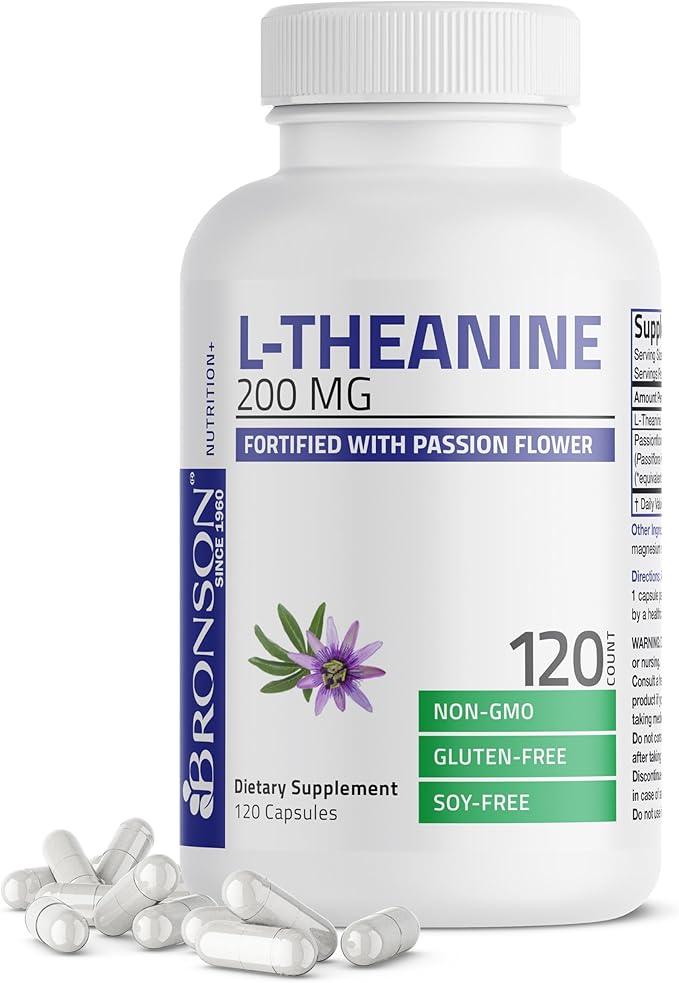
L-Theanine is an amino acid naturally found in green tea. Unlike sedatives, it promotes a calm mental state without causing drowsiness.
Why it helps deep sleep:
Encourages alpha brain wave activity
Reduces mental overstimulation before bed
Works well when sleep issues are stress-related
Key benefits:
Non-sedating
Can be combined with magnesium
Does not usually cause morning grogginess
Who it’s suitable for:
People who feel “tired but wired”
Light sleepers sensitive to stress
Those who wake due to mental restlessness
also see our
3. Glycine
Best for: Improving sleep quality and next-day alertness
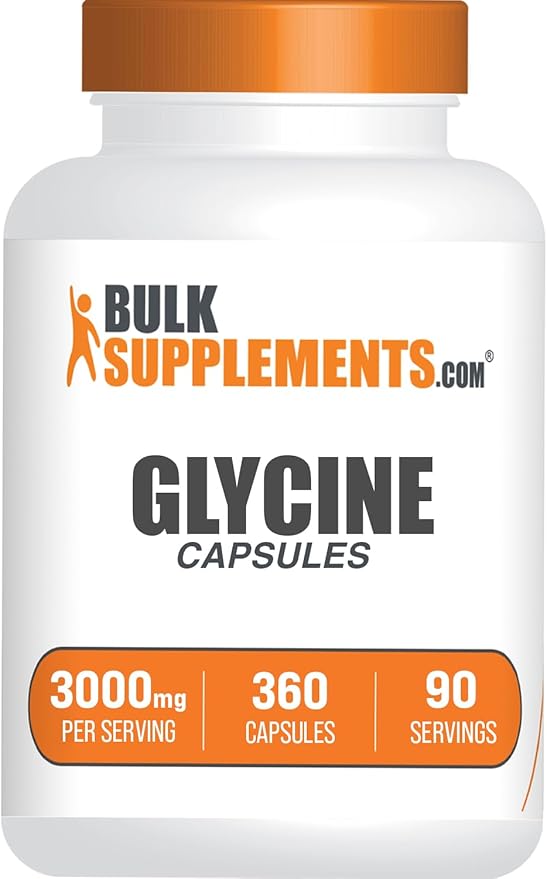
Glycine is an amino acid that plays a role in thermoregulation and nervous system balance. Some studies suggest it may help people fall into deeper sleep stages and wake up feeling more refreshed.
Why it helps deep sleep:
Helps lower core body temperature
Supports stable sleep cycles
May improve perceived sleep quality
Typical use:
Taken 30–60 minutes before bed
Often combined with magnesium or L-Theanine
Who it’s suitable for:
People who sleep long hours but feel unrefreshed
Those with inconsistent sleep depth
4. Ashwagandha (Standardized Extracts)
Best for: Stress-driven sleep disruption, cortisol imbalance
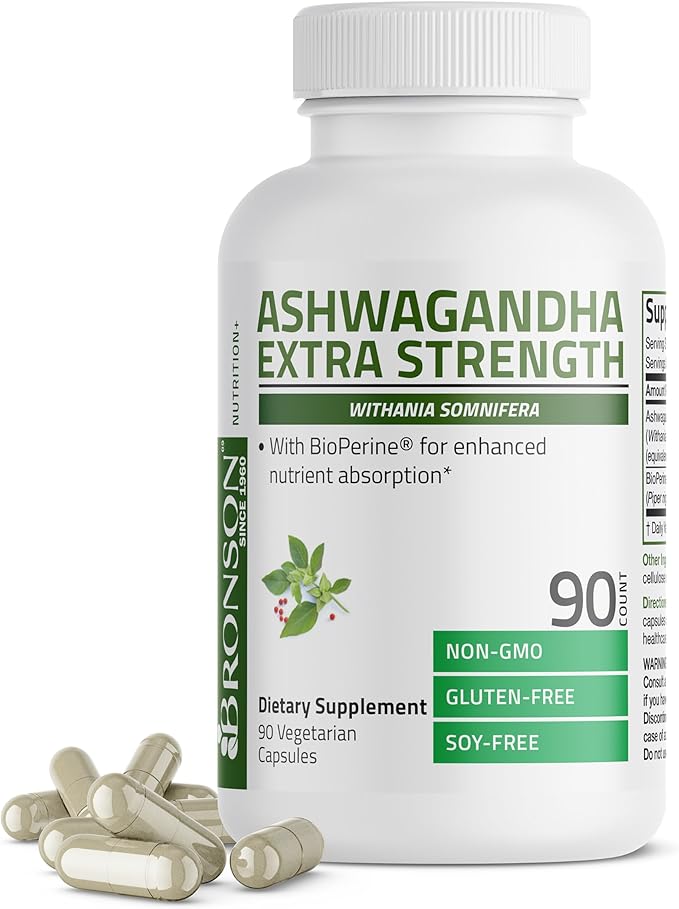
Ashwagandha is an adaptogenic herb commonly used to support stress regulation. Some standardized extracts are specifically studied for sleep quality.
Why it helps deep sleep:
Helps regulate cortisol levels
Supports parasympathetic (rest-and-digest) activity
May improve sleep continuity
What to look for:
Standardized extracts (e.g., KSM-66 or Sensoril)
Moderate dosing (not excessive)
Who it’s suitable for:
People with chronic stress
Those whose sleep worsens during stressful periods
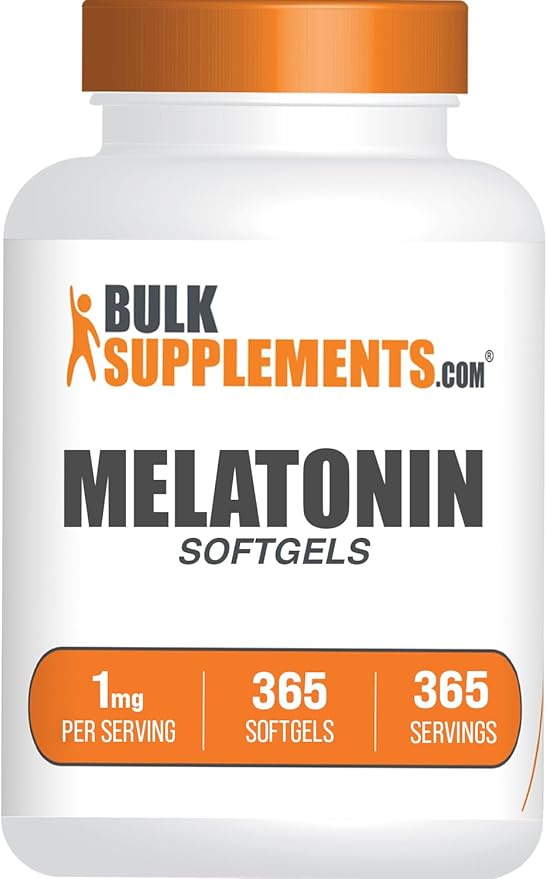
5. Low-Dose Melatonin (Selective Use)
Best for: Sleep timing issues, jet lag, circadian rhythm disruption
Melatonin is a hormone that regulates sleep timing, not sleep depth directly. However, when used at low doses, it may indirectly support better sleep structure in some individuals.
Important considerations:
Lower doses (0.3–1 mg) are often more effective than high doses
Not ideal for nightly, long-term use for everyone
Best for circadian rhythm issues, not stress-based insomnia
Who it’s suitable for:
Shift workers
Jet lag recovery
Delayed sleep phase patterns
Supplements That Often Don’t Improve Deep Sleep
Some popular supplements are widely marketed for sleep but may not significantly improve deep sleep quality for most people:
High-dose melatonin
Strong sedative blends without transparency
Herbal mixes with unclear dosing
Deep sleep is about quality of regulation, not sedation.
How to Choose the Right Supplement for You
Instead of stacking multiple products at once, consider starting based on your main issue:
Stress or racing thoughts: L-Theanine, Ashwagandha
Muscle tension or restlessness: Magnesium Glycinate
Unrefreshing sleep: Glycine, Magnesium
Sleep timing issues: Low-dose Melatonin
Start with one supplement, assess response, then adjust.
Safety Notes
Always follow label instructions
Avoid combining multiple sedative products
If you take medication or have a health condition, consult a professional
Supplements are not a replacement for sleep hygiene
Frequently Asked Questions
Do sleep supplements work for everyone?
No. Their effectiveness depends on the underlying cause of poor sleep. Supplements support conditions for sleep, not sleep itself.
Can I take these every night?
Some (like magnesium or L-Theanine) are commonly used nightly. Others (like melatonin) are better used occasionally.
How long before results?
Some people notice changes within days. Others require consistent use over 1–2 weeks.
Can I combine supplements?
Yes, but start conservatively. Magnesium + L-Theanine is a common combination.
Final Thoughts
Deep sleep is influenced by multiple factors, including stress, nutrition, and sleep environment. Supplements can be a useful tool when chosen thoughtfully and used responsibly.
If you’re exploring supplements, focus on:
Ingredient quality
Appropriate dosing
Matching the supplement to your specific sleep issue






As an Amazon Associate, we earn from qualifying purchases.

This article was written by Rozen and reviewed by the TheSleepFlow Editorial Team for accuracy.
Rozen is the founder of The Sleep Flows, a research-driven platform focused on evidence-based sleep optimization and cognitive performance. His journey into sleep science began through personal experience, after struggling with insomnia and anxiety and discovering how profoundly sleep quality impacts mental clarity, productivity, and overall health.
Rozen specializes in synthesizing peer-reviewed sleep research, testing sleep technologies and routines, and documenting real-world experiments to translate complex sleep science into practical, actionable insights for everyday life.Content published on The Sleep Flows is for educational purposes only and does not replace professional medical advice