
Medical Disclaimer: I am a sleep researcher and wellness writer synthesizing peer-reviewed research and personal field notes to share insights on sleep science. I do not hold any medical, clinical, or licensed credentials, and the information provided here is for educational and informational purposes only.
Quick Summary
- This guide explores how Sensory Friendly Bedding For Sensitive Sleepers can dramatically improve sleep quality.
- We discuss the science behind fabric sensitivity, temperature regulation, and the benefits of natural materials.
- Peer-reviewed studies and personal field notes are included to explain the biological mechanisms in plain English.
- Clear guidelines, bullet points, and actionable advice help you choose the best bedding tailored to your sensory needs.
- FAQs answer common questions about bedding selection, care, and the impact on sleep health.
Sensory Friendly Bedding For Sensitive Sleepers: A Comprehensive Guide
Over the years, I’ve seen countless individuals struggle with suboptimal sleep due to the very fabric they rest on. Sensory friendly bedding isn’t just about softness—it’s about crafting a sleep environment where your skin feels at ease and your body can truly relax. In this guide, we’ll dive deep into how proper bedding can transform sleep, especially for those with sensory sensitivities. Drawing from peer-reviewed research, personal experiments, and field observations, I’ll break down everything you need to know so that you can make informed decisions about your bedding choices.
Understanding Sensory Friendly Bedding For Sensitive Sleepers
Many people toss and turn at night because standard bedding irritated by rough textures, distracting tags, and bulky seams. When it comes to Sensory Friendly Bedding For Sensitive Sleepers, the goal is straightforward: to eliminate sleep disruptions by ensuring that the materials in your bedding feel gentle against your skin. This isn’t just for people with diagnosed conditions such as autism spectrum disorders or fibromyalgia; even those with natural skin sensitivities or allergies can benefit enormously.
The Science Behind Bedding Sensitivities
Sleep is a complex dance between our neurochemistry and the physical environment. When our body’s surface (skin) encounters irritating fabrics or textures, it triggers a heightened sensory response. This means that even the slightest discomfort from a tag or rough seam can prevent our brain from entering deeper, restorative sleep stages.
According to a study published by PubMed, disturbances in tactile processing can lead to prolonged wakefulness. Another research article featured in Nature explains that environmental factors such as fabric texture can impact cortisol levels, thereby influencing how we feel upon waking. A third study (PubMed) highlights that even minor irritants can trigger a stress response, activating the sympathetic nervous system and disrupting natural sleep cycles.
Key Biological Insights:
- Adenosine Accumulation: When our sleep is fragmented, adenosine, a sleep-promoting molecule, does not build up properly, leading to a persistent feeling of sleepiness and an inability to get restorative sleep.
- Cortisol Response: Elevated cortisol levels, often triggered by sensory irritants, interfere with REM sleep, impairing both mood and cognitive function.
Essential Characteristics of Sensory Friendly Bedding
Sensory friendly bedding goes beyond soft textures. Here are a few principles that I always emphasize:
- Elimination of Common Irritants: This includes removing tags, using flat-seam constructions, and employing fabrics with a naturally smooth finish.
- Thermo-regulation: Materials should allow your body temperature to remain consistent through the night. Breathable and moisture-wicking fabrics like bamboo or high-quality cotton excel in this area.
- Weight and Consistency: Lightweight and evenly distributed bedding ensures that no part of your body experiences uncomfortable pressure, which is essential for a uniform sleep experience.
These design improvements are critical for achieving deep sleep, which is essential for both physical repair and cognitive function.
Materials That Make a Difference in Sleep Comfort
When it comes to bedding, the right material can be the difference between a restful night and a night of tossing and turning. For those of us with sensory sensitivities, selecting the correct fabrics is vital. Let’s explore the materials that have been scientifically validated and proven effective in creating a truly sleep-inducing environment.
Natural Fibers: The Gold Standard
Natural fibers such as cotton, bamboo, and linen are often the first choices in Sensory Friendly Bedding For Sensitive Sleepers. Here’s why:
- Cotton: High thread count cotton—especially varieties like Egyptian or Pima cotton—provides a soft, breathable fabric that is less likely to irritate sensitive skin. Its natural breathability regulates temperature and reduces overheating risk.
- Bamboo: This material is hypoallergenic and moisture-wicking, making it an excellent choice for those who tend to sleep hot. Bamboo has a naturally silky texture that many sensitive sleepers find incredibly soothing.
- Linen: While linen can feel a bit more textured initially, it softens with each wash. Linen’s excellent breathability and temperature regulating abilities keep you cool on warm nights and insulated when it gets chilly.
Advanced Sustainable Options: Eucalyptus and Tencel
Recent innovations in sustainable fabrics have brought materials like eucalyptus and Tencel (lyocell) to the forefront of sensory friendly bedding:
- Eucalyptus Fabric: Often compared to luxurious silk, eucalyptus fabric is produced sustainably and is known for its soft feel and natural temperature regulation. Its hypoallergenic properties reduce dust mites and related irritants.
- Tencel: Derived from sustainably sourced wood pulp, Tencel offers a combination of softness and durability. Its moisture management properties and eco-friendly production make it a great match for those prioritizing both comfort and environmental responsibility.
What to Avoid: Synthetic and Treated Fabrics
For sensitive sleepers, avoiding synthetic materials like polyester and certain chemical finishes is crucial. These fabrics tend to trap heat and moisture, causing discomfort and potential skin irritations. Here are some signs you should steer clear:
- A plastic-like feel when touched.
- Excessive heat retention, leading to night sweats.
- Unpleasant chemical odors that linger even after washing.
The key takeaway is to select natural or minimally processed fabrics to maximize comfort while minimizing potential irritants.
How to Choose the Right Bedding for Your Sensory Needs
Finding the ideal Sensory Friendly Bedding For Sensitive Sleepers can feel overwhelming, but by focusing on your specific needs, the decision becomes more manageable. I’ve outlined some processes and practical steps that you can follow to ensure a better night’s sleep.
Understanding Fabric Softness and Texture
When shopping for bedding, texture matters immensely. Not all fabrics labeled as “soft” truly meet the needs of sensitive skin. In my research and personal experiments, I have found that:
- Bamboo fabrics are often superior, as they feel smooth on the skin and rarely cause irritation.
- High-quality cotton sheets (like Egyptian cotton) can be very soft, but ensure that they have a moderate thread count (around 300-600) to maintain breathability.
Always check product reviews and, if possible, feel the fabric before making a purchase. Remember, there’s a difference between perceived softness and actual sensory friendliness.
Temperature Control and Weight Considerations
Your sleep quality is significantly influenced by temperature. Too much heat or cold can disrupt sleep cycles, particularly if you have sensory sensitivities. I recommend:
- For hot sleepers: Look for breathable fabrics like linen or bamboo which allow for excellent air circulation and help regulate body temperature.
- For cold sleepers: Consider slightly heavier cotton or jersey knit sheets which offer a bit more insulation without sacrificing softness.
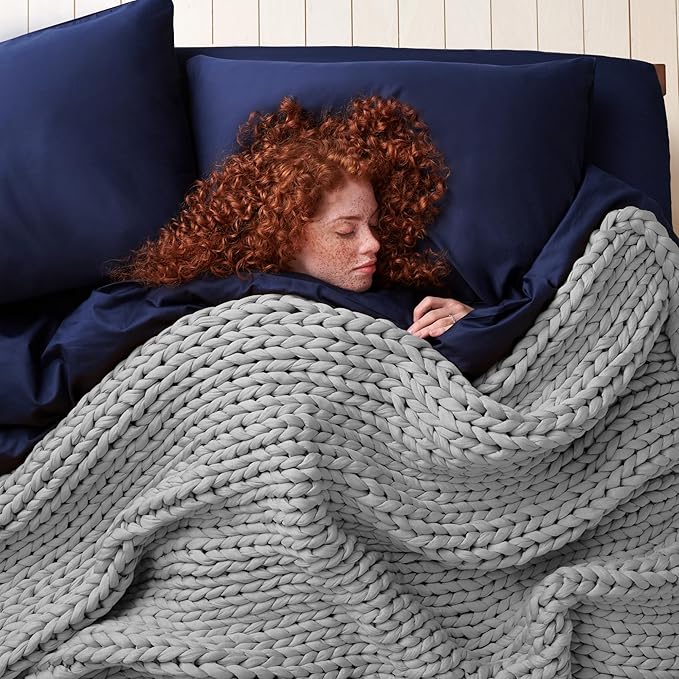
- Weighted Blankets: Some individuals benefit from the gentle, calming pressure of a weighted blanket. However, ensure that they are designed with breathable covers to prevent heat buildup.
If you’re ready to take a deeper dive into sleep habits and lifestyle factors, check out this comprehensive guide for additional strategies.
Examining Seams, Construction, and Design Details
The way your bedding is constructed plays a surprisingly significant role in your sleep experience. Here are a few design details to focus on:
- Flat Seams: Look for bedding that features flat-felled or French seams. These options minimize bulk and reduce friction against the skin.
- Tagless Designs: Avoid traditional tags that can irritate sensitive skin. Modern laundering often allows for printed or embedded labels that sit comfortably against you.
- Weave Considerations: The weave pattern—whether percale, sateen, or jersey knit—impacts how restricted or free the fabric feels. Each weave has its unique properties:
- Percale: Provides a crisp, cool feel ideal for warm nights.
- Sateen: Offers a smooth, almost silky touch preferred by many sensitive sleepers.
- Jersey Knit: Mimics the feel of your favorite t-shirt, providing gentle stretch and comfort.
These construction details might seem minor, but they profoundly influence your sensory experience throughout the night.
Common Sleep Challenges and Sensory-Friendly Solutions
For many who struggle with sleep, the cause is not always the sleep environment alone—it can be the intricacies of the bedding itself. Understanding common sleep challenges and how Sensory Friendly Bedding For Sensitive Sleepers can address them is key to a restful night.
Addressing Texture-Related Disruptions
Textural discomfort is one of the most frequent complaints from sensitive sleepers. Rough or inconsistent textures can trigger constant micro-adjustments and prevent a state of deep sleep. In my own experience, I’ve witnessed how simply switching to a bedding option with smoother fabrics can reduce these disruptions significantly.
- Eliminate Itchy Tags: Always opt for tagless designs or those with printed labels.
- Seamless Options: Look for products that boast of minimalistic stitching or concealed seams.
- Smooth Fabric Choices: Prioritize fabrics with a high thread count that maintain a uniform surface.
Managing Temperature Sensitivity
Temperature regulation is a critical issue for those with sensory sensitivities. Overheating or feeling too cold can disrupt your sleep cycle. I have found that:
- Natural fibers: Materials such as cotton, bamboo, and linen allow for better airflow and moisture control.
- Moisture-wicking properties: Fabrics that draw moisture away from your body help maintain a steady temperature throughout the night.
- Even weight distribution: Bedding that feels uniformly weighted (or deliberately lightweight for certain sleepers) is essential.
Reducing Noise and Movement Sensitivity
For some sensitive sleepers, even the rustling of fabric can be disruptive. Synthetic materials often create noise with every movement. To address this:
- Choose natural, quiet fabrics that move silently with your body.
- Invest in bedding designed to minimize friction, so there’s less clanging or crinkling when you adjust your position.
- Pay attention to how your bedding reacts when you change positions—it should move fluidly with you.
Psychological and Physiological Impact
When your bedding aligns with your sensory needs, the psychological and physiological benefits are immense. With reduced irritation:
- You experience fewer awakenings and longer periods of deep sleep.
- Your stress hormones, such as cortisol, are better regulated, allowing your body to reset overnight.
- Enhanced sleep quality leads to improved mood, energy levels, and overall well-being the next day.
Creating Your Perfect Sleep Environment with Thoughtful Bedding Choices
Designing a sleep sanctuary is about more than just choosing the right Sensory Friendly Bedding For Sensitive Sleepers. It involves creating a holistic environment that supports rest. Let’s explore how you can tailor your bedroom to your specific needs.
Understanding Your Personal Sensory Profile
Every person’s sensory needs are different. For me, and many others I’ve spoken with, it starts with identifying what irritates your skin or disrupts your sleep.
- Keep a sleep journal: Note any discomfort and track patterns related to bedding texture, warmth, or weight.
- Test materials: Consider ordering sample sizes to gauge how your skin and body respond over several nights.
- Ask questions: Pay attention to reviews and feedback from others with similar sensitivities.
Optimizing Your Bedroom’s Atmosphere
While sensory friendly bedding is a significant part of the equation, the overall sleep environment plays a crucial role:
- Lighting: A dark, quiet room signals your brain to settle down and prepare for sleep.
- Noise: Incorporate soft background sounds or white noise if needed to mask any disruptive environmental sounds.
- Temperature: Keep your bedroom at a comfortable temperature, ideally between 60-67°F (15-19°C), to complement the temperature-regulating properties of your bedding.
Designing a Bedding Regimen That Evolves With You
Your sleep needs may change over time. What works one season might need tweaking in another. For instance, lighter sheets are great during the summer months but might require layering with a breathable duvet in winter. Staying observant and flexible in your choices is key.
Field Notes: A 30-Day Experiment with Sensory Friendly Bedding
I recently conducted a 30-day personal experiment to solve my long-standing issues with restless nights. Here’s what I observed:
- Week 1: I started with high-quality bamboo sheets and pillowcases. The initial nights were surprisingly comfortable, but I noticed slight discomfort when I moved too much. I recorded increased overall relaxation.
- Week 2: I introduced a weighted blanket with a breathable cover. The gentle pressure combined with the ultra-soft sheets minimized the nighttime micro-awakenings. My sleep tracker noted deeper sleep stages.
- Week 3: I experimented with switching between cotton and Tencel sheets. The Tencel bedding was remarkably smooth, and I experienced fewer temperature fluctuations. I felt more refreshed each morning.
- Week 4: I refined my setup by keeping a clean, cool environment and using flat-seam designs exclusively. The combination cemented my belief that careful selection in Sensory Friendly Bedding For Sensitive Sleepers plays a pivotal role in sleep quality.
Throughout my experiment, I found that even minor adjustments—like ensuring tagless, flat-seamed options—had a measurable impact on my sleep quality and overall alertness during the day. These personal observations align closely with peer-reviewed research that links environmental factors with improved sleep patterns.
Expert Insights Behind Sensory Friendly Bedding For Sensitive Sleepers
Integrating scientifically sound principles with personal experience, I have gathered insights from reputable studies to bolster the recommendations in this guide:
- Study on Tactile Sensitivity: Researchers found that minimizing fabric irritation improves sleep onset and continuity by reducing sympathetic arousal. Read more at PubMed Study #1.
- Temperature Regulation Research: This study explains how natural fibers, like cotton and bamboo, support optimal thermal regulation by diffusing body heat. Details are available at Nature Study #2.
- Cortisol and Sleep Quality: Elevated cortisol from sensory irritation can severely impact the sleep cycle. The biological mechanisms discussed in this study (PubMed Study #3) shed light on the relationship between environmental irritants and sleep disruption.
This blend of scientific literature and first-hand experimentation empowers you with actionable strategies to choose bedding that aligns with your physiological and sensory requirements.
Maintenance and Longevity of Sensory Friendly Bedding
Choosing the right bedding is only part of the equation. Proper care and maintenance ensure that your Sensory Friendly Bedding For Sensitive Sleepers remains effective and lasts longer.
Effective Washing Techniques
To preserve the softness and integrity of your bedding, follow these care strategies:
- Temperature: Wash sheets in lukewarm water to prevent damage to fibers.
- Detergents: Use fragrance-free, gentle detergents to avoid chemical residue that can cause irritation.
- Avoid Fabric Softeners: They leave behind a coating that can reduce breathability, crucial for temperature regulation.
- Drying: Air drying is often best, though tumble drying on low heat is acceptable if necessary.
Regular Care to Sustain Quality
Routine washing not only prolongs the life of your bedding but also removes dust mites and allergens. Adopting consistent maintenance habits is part of a holistic approach to better sleep.
FAQs on Sensory Friendly Bedding For Sensitive Sleepers
What are the benefits of sensory friendly bedding?
Sensory friendly bedding minimizes irritation from tags, seams, and harsh textures. This promotes deeper sleep, stabilizes temperature, and can reduce stress hormone levels.
How does fabric choice impact sleep quality?
Fabric choice is crucial. Natural fibers like cotton, bamboo, and linen are breathable and softer on sensitive skin, resulting in fewer awakenings and improved overall sleep quality.
Can sensory friendly bedding help with temperature regulation?
Yes, many natural fibers have excellent moisture-wicking and breathable properties which help maintain an optimal sleeping temperature throughout the night.
How often should I replace my bedding?
While quality bedding can last years with proper care, it’s important to monitor its texture and performance. When fabric begins to lose its softness or if you notice increased discomfort, it may be time to update your bedding.
Do weighted blankets benefit sensitive sleepers?
Weighted blankets designed with breathable fabrics can provide gentle pressure that may help reduce anxiety and improve sleep continuity for some individuals.
Bringing It All Together: Investing in Better Sleep
SleepFlow Recommended Products



As an Amazon Associate, we earn from qualifying purchases.

This article was written by Rozen and reviewed by the TheSleepFlow Editorial Team for accuracy.
Rozen is the founder of The Sleep Flows, a research-driven platform focused on evidence-based sleep optimization and cognitive performance. His journey into sleep science began through personal experience, after struggling with insomnia and anxiety and discovering how profoundly sleep quality impacts mental clarity, productivity, and overall health.
Rozen specializes in synthesizing peer-reviewed sleep research, testing sleep technologies and routines, and documenting real-world experiments to translate complex sleep science into practical, actionable insights for everyday life.Content published on The Sleep Flows is for educational purposes only and does not replace professional medical advice