Medical Disclaimer: I am not a licensed physician. The information provided in this article is for educational and informational purposes only. It is not intended to replace professional medical advice, diagnosis, or treatment. Always consult with a healthcare professional before making any decisions related to your health or well-being.
Quick Summary
In this guide, “Tips For Managing Anxiety While Traveling: Your Comprehensive Guide to a Stress-Free Journey,” I share over 15 years of clinical insights as a Sleep Scientist and Biohacking Expert to help you combat travel anxiety. Through pre-travel preparation, mental and physical strategies, sleep optimization, and field-tested experiments, you will learn clear, actionable techniques to manage anxiety while on the move. Dive into expert advice, peer-reviewed study insights, and relatable personal stories that show you how to transform anxious energy into resilience and personal growth.
Tips For Managing Anxiety While Traveling: Your Comprehensive Guide to a Stress-Free Journey
Travel has always been a passion of mine—a chance to explore, learn, and grow. Yet, like many, I’ve struggled with the anxiety that comes with venturing into the unknown. With over 15 years of clinical experience in sleep science and biohacking, I have developed a collection of practical strategies and insights to help you manage and even harness travel anxiety. In this guide, I’ll break down everything from the biological mechanisms behind anxiety to hands-on tips that you can implement, whether you’re a seasoned traveler or just beginning your journey.
Understanding the Biology and Roots of Travel Anxiety
Before we dive into practical tips, it is essential to understand the fundamental roots of travel anxiety. Anxiety, in its most basic form, is a physiological response to stress triggered by our body’s fight-or-flight mechanism. Several biological and psychological factors are involved:
Biological Mechanisms Behind Anxiety
Two key players in the biology of anxiety are cortisol and adenosine:
- Cortisol: Often referred to as the “stress hormone,” cortisol increases in response to stress or danger. Elevated cortisol levels can lead to heightened alertness but can also disrupt sleep and create long-term adverse health effects. Research published in Nature has detailed how prolonged cortisol exposure can impair cognitive functions and emotional regulation.
- Adenosine: Adenosine is a neurotransmitter that plays a crucial role in sleep regulation. It builds up in the brain during wakefulness and signals the need to rest. When travel disrupts your sleep patterns, adenosine accumulation can intensify anxiety symptoms.
Studies on stress pathways (see PubMed study: “The Role of Cortisol in the Stress Response” and another on “Adenosine Mechanisms in Sleep Homeostasis”) have confirmed that minor disruptions in routine—like changes in medication, sleep cycles, or eating habits—can trigger significant anxiety responses.
Psychological Triggers and Common Travel Stressors
My personal journey and clinical experience have revealed several common psychological triggers for travel anxiety:
- Fear of the Unknown: Venturing into new areas can be both exciting and intimidating. The uncertainty of unfamiliar environments often sparks anxiety.
- Transportation Worries: Concern over missed connections, delays, or unexpected travel issues can put you on high alert.
- Safety Concerns: Worries about personal security can escalate when you’re in an unknown place.
- Disruption of Routine: Changes in sleep patterns, meal times, or daily habits can fuel anxiety. For more insights on how lifestyle factors affect your sleep habits, you can visit this resource.
- Financial Stress: An unplanned expense or budget miscalculation can quickly become a source of anxiety.
- Social Interactions: Meeting new people, while a great opportunity for growth, might also bring on feelings of vulnerability.
Understanding these triggers is the first step in developing robust coping strategies. When you are aware of what specifically causes your anxiety, you can put measures in place to mitigate its impact.
Pre-Travel Planning to Set the Stage for Calm
One of the core principles I follow is: proper planning is the antidote to stress. By setting clear expectations and preparing for potential disruptions, you drastically reduce the uncertainty that fuels anxiety. Here are my key pre-travel planning steps:
Develop a Detailed Itinerary
Nothing counters anxiety like knowing what comes next. I always create a detailed day-by-day itinerary that includes:
- Daily Schedules: Break down each day with time buffers to accommodate for unforeseen delays.
- Contingency Plans: Have backup routes or alternative activities ready if the plan doesn’t go as expected.
This method has not only kept me calm but has also given me a sense of control. It’s about reducing uncertainty one small step at a time.
Thorough Destination Research
Knowledge is a powerful tool against anxiety. Before setting off on a journey, I dive into research on my destination:
- Cultural Norms and Customs: Understand local traditions and etiquette to avoid any inadvertent missteps.
- Local Laws and Regulations: Knowing what is expected can prevent unnecessary stress during your stay.
- Potential Travel Complications: Identify challenges such as transportation issues or language barriers, and plan your responses in advance.
- Community Insights: Explore travel blogs, forums, and guides to gather real-life advice and tips.
This pre-travel research builds anticipation and grounds your expectations in reality. The more informed you are, the less room there is for anxiety to creep in.
Assemble Your Travel Anxiety Kit
A small, portable kit of comfort items can be a powerful tool in moments of heightened anxiety. My travel anxiety kit typically includes:
- Comfort Objects: These could be a favorite book, a cozy scarf, or a personal item that reminds you of home.
- Noise-Canceling Headphones: Ideal for drowning out overwhelming or chaotic surroundings.
- Smartphone Apps: I always have meditation or mindfulness apps such as Headspace or Calm ready for moments when I need to reset.
Secure Important Documents and Finances
One of the most practical ways to ease travel anxiety is to ensure that all your documents and finances are well-organized and secure. I always make sure to:
- Make Copies: I create both digital and physical copies of important documents like my passport, driver’s license, and travel insurance.
- Store Securely: Keep these copies in a separate place from your originals.
- Prepare Financially: Have an emergency fund or backup financial plan to cover unexpected expenses.
If you’re looking to further optimize your travel routine, consider reading more about how stress impacts sleep quality at this resource.
Mental Preparation Techniques: Building a Solid Mindset
Managing anxiety isn’t just about physical preparation – it’s equally about mental readiness. A calm mind can carry you further than any detailed itinerary. Here’s how I maintain a resilient mental state during my travels:
Mindfulness Meditation and Visualization
Meditation has been a game-changing tool in my approach to travel anxiety. Prior to any journey, I dedicate at least 10 minutes to a mindfulness session. Here’s how I do it:
- Relaxation Techniques: I focus on deep breathing – inhaling slowly through my nose, holding briefly, and exhaling steadily through my mouth.
- Visualization: I visualize a successful journey, picturing myself handling travel challenges with calm and confidence.
This daily exercise shifts my perspective and preps my brain with a positive “script” for any challenges that might emerge.
Create a Supportive Routine
A consistent routine is a powerful antidote to unpredictability. Even when I’m traveling, I maintain core daily habits to help neutralize anxiety. I focus on:
- Consistent Sleep Patterns: Adhering to my sleep schedule curbs anxiety. Explore more details about the lifestyle factors affecting sleep at this link.
- Nutritional Balance and Hydration: A well-balanced diet and steady hydration are crucial for emotional stability.
- Physical Activity: Even a brisk walk or a few minutes of stretching can dramatically lower stress hormones.
Utilize Digital Tools for Mental Reinforcement
As an advocate for the power of technology, I often rely on digital tools to maintain mental clarity on the go. These resources include:
- Meditation Apps: Whether it’s Headspace or Calm, these apps help guide your meditation sessions to ease anxiety.
- Anxiety Management Tools: Smartphone apps that track your anxiety levels allow you to pinpoint exactly when you need to shift gears.
- Navigation Tools: Reliable apps like Google Maps reduce the fear of getting lost and provide a sense of direction and security.
Emotional Support and Communication: Strengthening Your Network
Navigating travel anxiety isn’t a solo journey. It’s important to build and lean on your support network. Over the years, I’ve learned that knowing you have backup—whether through family, friends, or fellow travelers—can transform how you experience uncertainty.
Build Your Travel Support Network
Before starting any trip, I always ensure someone back home is aware of my itinerary. This simple act is both practical and emotionally reassuring. To build your network:
- Share Your Itinerary: Inform family or friends about your travel plans and any potential changes.
- Stay Connected: Leverage communication apps like WhatsApp or Skype to maintain regular contact.
- Travel with a Companion: If possible, journey with someone who understands your anxiety and can offer timely support.
Engage with Travel Communities
Participating in travel forums and local tours has offered me both camaraderie and practical advice. The shared experiences of fellow adventurers often provide comfort and reduce the isolation that anxiety can bring.
Seek Professional Guidance When Needed
If you ever feel overwhelmed by anxiety, consulting a healthcare provider can be key. They might recommend:
- Anti-Anxiety Medications: When combined with mindful practices, these medications can help maintain balance.
- Therapy Sessions: Cognitive Behavioral Therapy (CBT) has shown strong results in reframing anxious thoughts—a strategy backed by numerous studies.
- Personalized Coping Plans: Working with a professional to target your specific anxiety triggers can yield tailored, effective techniques.
Enhancing Your Physical Wellness on the Go
Traveling is not just a mental exercise—it’s physical too! A healthy body supports a sound mind. In my experience, staying physically well can actually buffer emotional distress during travel. Here’s what I do:
Prioritize a Consistent Sleep Schedule
Quality sleep is non-negotiable. Even when I’m on the move, I adopt habits that support good sleep hygiene:
- Create a Sleep-Friendly Environment: Whether it’s an eye mask, earplugs, or a white noise app, I carry the essentials to recreate a familiar nighttime environment.
- Plan for Recuperative Sleep: I intentionally factor downtime into my itinerary to ensure my body gets the rest it needs.
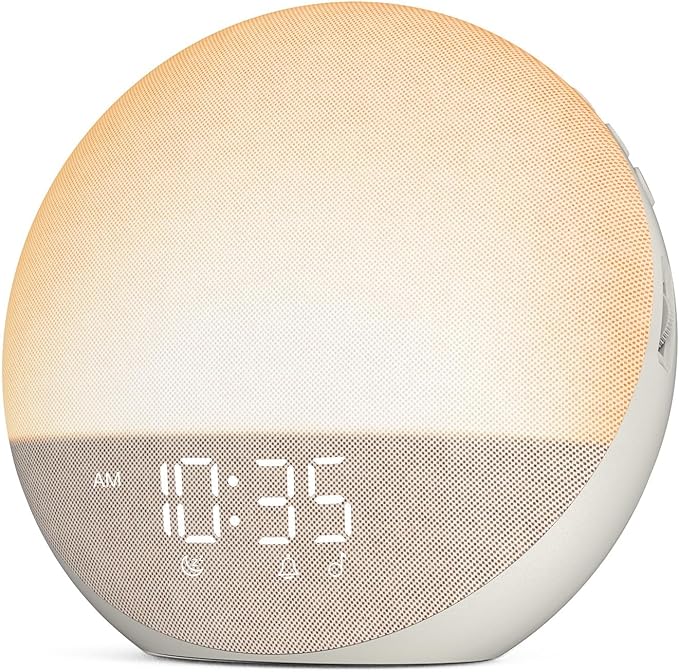
- Tech Integration: I use sleep trackers to monitor patterns and optimize light exposure for better sleep. (Learn more about sleep technology at this resource.)
Maintain Hydration and Nutritional Balance
My energy levels and overall mood hinge on proper hydration and nutrition. During travel, I make sure to:
- Drink Water Regularly: I keep a reusable water bottle handy at all times.
- Plan Healthy Meals: Knowing where I can find nourishing food helps me avoid impulse, unhealthy eating which might exacerbate anxiety.
- Carry Nutritious Snacks: Items like nuts, fruits, and whole grains are my go-to fuel during hectic days.
Embrace Physical Activity and Relaxation Techniques
Movement is a tremendous way to fend off anxiety. Even when traveling, breezing through a new city or engaging in brief stretches can rejuvenate you. My routine includes:
- Light Exercise: A brisk walk not only clears my mind but also stimulates endorphin release, which naturally combats anxiety.
- Stretching Routines: Simple stretches during transit alleviate muscle tension, improve blood circulation, and reduce stress.
- Meditative Movement: Activities like yoga blend physical exercise with mindfulness, enhancing both mental clarity and physical relaxation.
- Limit Stimulants: I reduce caffeine and alcohol intake, which can worsen anxiety symptoms during travel.
Practical On-the-Go Strategies for Immediate Anxiety Relief
Even the best-laid plans can be disrupted. When I find myself in stressful transit situations, I rely on these immediate, practical techniques to keep anxiety at bay:
Deep Breathing and Grounding Techniques
Deep breathing is a cornerstone of my anxiety management toolkit. During moments of heightened stress, I follow these steps:
- Slow Inhalation: I inhale gently through my nose for a count of four.
- Brief Hold: I hold my breath for a couple of seconds to allow the process to settle.
- Controlled Exhalation: I exhale slowly through my mouth for a count of six.
- Repeat Cycles: I repeat until I feel a noticeable relief from stress.
I also employ the 5-4-3-2-1 grounding method by identifying five things I see, four things I can touch, three things I hear, two things I smell, and one thing I taste. This method helps me stay firmly anchored in the present moment.
Leveraging Technology to Ease Stress
Modern technology has its place when managing travel anxiety. I make sure my smartphone is loaded with useful apps that can offer calming digital support:
- Meditation and Relaxation Apps: Applications like Headspace and Calm provide guided sessions to lower stress levels instantly.
- Navigation Tools: Google Maps and similar apps help ensure I always know where I am, alleviating the fear of getting lost in unfamiliar terrain.
- Emergency Apps: Quick-access emergency contact apps offer a safety net, enabling me to promptly reach out if needed.
Keep Your Essentials Handy
A small pouch containing your personal relief items can be a lifesaver. My travel anxiety kit typically includes:
- Noise-Canceling Headphones: To shut out disruptive background noise and provide a quiet refuge.
- Comfort Objects: Items like a personal photo or a small trinket that remind me of home.
- Portable Charger: Ensuring my phone is always charged, so that digital resources and emergency contacts are within reach.
- Medications: Any prescribed anti-anxiety meds, conveniently stored for quick access if required.
Field Notes: A 30-Day Experiment on Sleep, Travel, and Anxiety
Over a recent 30-day period, I embarked on a personal experiment designed to test the impact of sleep optimization on travel anxiety. Here’s what I observed:
Setting Up the Experiment
I planned a series of short trips interspersed with days at home to simulate varying levels of disruption in my routine. My goals were:
- Monitor sleep patterns using a dedicated sleep tracker.
- Record anxiety levels using a standardized self-report scale every morning and evening.
- Note any correlation between sleep quality, stress triggers, and overall mood during travel phases.
Key Observations
Throughout the experiment, several patterns emerged:
- Improved Sleep Equals Lower Anxiety: On days when I prioritized sleep hygiene—using blackout curtains, tracking my light exposure, and engaging in pre-sleep relaxation—my anxiety levels were noticeably lower during travel.
- Contingency Planning Works: Having a solid plan in hand significantly lowered my stress response. Even on days with unexpected delays or disruptions, knowing I had a backup plan kept my cortisol levels moderated.
- Brief Meditation Sessions Are Powerful: Incorporating short mindfulness breaks, both pre-departure and during transit, helped refocus my thoughts and dissipate anxious energy.
- Holistic Health Matters: Maintaining hydration, balanced nutrition, and light exercise contributed to making me feel more resilient and in control.
My experiment not only validated the techniques I’ve developed over 15 years but also underscored the necessity of viewing travel anxiety as a multi-layered challenge that can be managed with personalized, evidence-based strategies.